
Health
Discover Effective Strategies to Overcome ADHD Challenges


Individuals with Attention Deficit Hyperactivity Disorder (ADHD) often face significant challenges when it comes to completing tasks that may seem simple to others. The neurological underpinnings of ADHD play a crucial role in this struggle, as research indicates that individuals with this condition typically have lower levels of dopamine, a neurotransmitter essential for motivation and task initiation. As a result, common household chores or administrative duties can become daunting, leading to feelings of frustration and self-doubt.
Understanding that the brain of a person with ADHD is wired differently can help reshape approaches to task management. Many people struggle with the notion that necessity should inherently drive motivation. Yet for those with ADHD, the reality is often quite different. Recognizing this distinction can lead to more effective strategies for managing tasks.
Reframing Tasks for Increased Motivation
One effective strategy involves reframing tasks to align with personal values rather than viewing them solely through the lens of necessity. For instance, a person might find it challenging to put away laundry, knowing it will take only five minutes. The key is to connect the task to something more meaningful. By recognizing that a clean home is important to a loved one, such as a fiancé, individuals can transform mundane chores into acts of love. One individual reports writing on their weekly calendar, “Vacuum because I love my fiancé,” which has led to consistent completion of this task.
Gamification is another approach that can significantly enhance motivation. By turning mundane tasks into games, individuals can instill an element of excitement. For example, setting a timer to see how quickly one can fold laundry or creating artificial stakes by deciding the order of tasks with a die can make the process more engaging. Rewarding oneself—such as only watching a favorite show after completing a chore—can further enhance motivation.
Breaking Tasks into Manageable Portions
Starting a task can often be the most challenging part. To overcome this barrier, breaking tasks into manageable increments can be helpful. Committing to work on a task for just two minutes can make it feel less daunting. At the end of those two minutes, individuals can choose to stop or continue. This small commitment can often lead to more extended periods of productivity, as getting started is frequently the hardest hurdle to overcome.
It’s important to recognize that not every strategy will work consistently. The nature of ADHD thrives on novelty, meaning that what works one week may not be effective the next. Embracing this reality can prevent feelings of failure. Instead of seeking a single, infallible solution, individuals can benefit from maintaining a variety of strategies to rotate through as needed.
In conclusion, understanding the unique neurological challenges of ADHD can lead to more effective approaches to managing tasks. By reframing tasks, incorporating gamification, and breaking tasks into smaller increments, individuals can find new motivation to tackle the day-to-day responsibilities that often seem overwhelming. As we learn more about ADHD, it becomes clear that these strategies can help those affected navigate their daily lives with greater ease and confidence.

Fort Worth Hosts Exciting Hometown Half Marathon and 5K/10K Events

Navy Launches Five New Acquisition Executives to Streamline Processes

Utah Mother Kouri Richins Accused of Poisoning Husband for Money

Oil Prices Surge, U.S. Stocks Show Unexpected Resilience

Cyberpunk 2077 Set for PS5 Pro Performance Update Soon

Home Assistant Tool Enhances Server Health with Global Score

Oregon Ducks Unveil Nature-Inspired Nike Air Max 95 Sneakers

Trump Administration’s Legal Tactics Intensify at the Border

Sandia Scientists Recognized as National Academy of Inventors Fellows

Libraries Challenge Rising E-Book Costs Amid Growing Demand

Tyreek Hill Responds to Tua Tagovailoa’s Comments on Team Dynamics

San Francisco Hosts Unique Contest to Identify “Performative Males”

Liverpool Secures Agreement to Sign Young Striker Will Wright

Astronomers Unveil Insights from β Pictoris b Using GRAVITY

Save Your Split Tomatoes: Expert Tips for Gardeners

Elon Musk Sculpture Travels From Utah to Yosemite National Park

University of Hawaiʻi Joins $25M AI Initiative to Monitor Disasters

Princess Beatrice’s Daughter Athena Joins Siblings at London Parade
-
 Lifestyle9 months ago
Libraries Challenge Rising E-Book Costs Amid Growing Demand
-
 Sports9 months ago
Tyreek Hill Responds to Tua Tagovailoa’s Comments on Team Dynamics
-
 Science8 months ago
San Francisco Hosts Unique Contest to Identify “Performative Males”
-
 Sports9 months ago
Liverpool Secures Agreement to Sign Young Striker Will Wright
-
 Science7 months ago
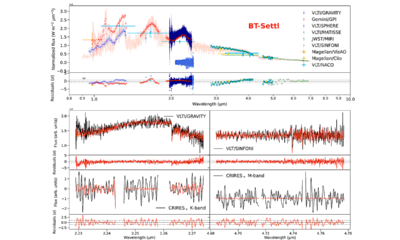
Astronomers Unveil Insights from β Pictoris b Using GRAVITY
-
 Lifestyle9 months ago
Save Your Split Tomatoes: Expert Tips for Gardeners
-
 Sports9 months ago
Elon Musk Sculpture Travels From Utah to Yosemite National Park
-
Science6 months ago
University of Hawaiʻi Joins $25M AI Initiative to Monitor Disasters
-
 Lifestyle9 months ago
Princess Beatrice’s Daughter Athena Joins Siblings at London Parade
-

 Science9 months ago
California Develops New Method to Monitor Toxic Algal Blooms
-

 Sports9 months ago
Bubba Wallace Makes History with Brickyard 400 Victory
-

 World9 months ago
Winter Storms Lash New South Wales with Snow, Flood Risks