
Health
Researchers Discover Link Between Oral Hygiene and Dementia Risk

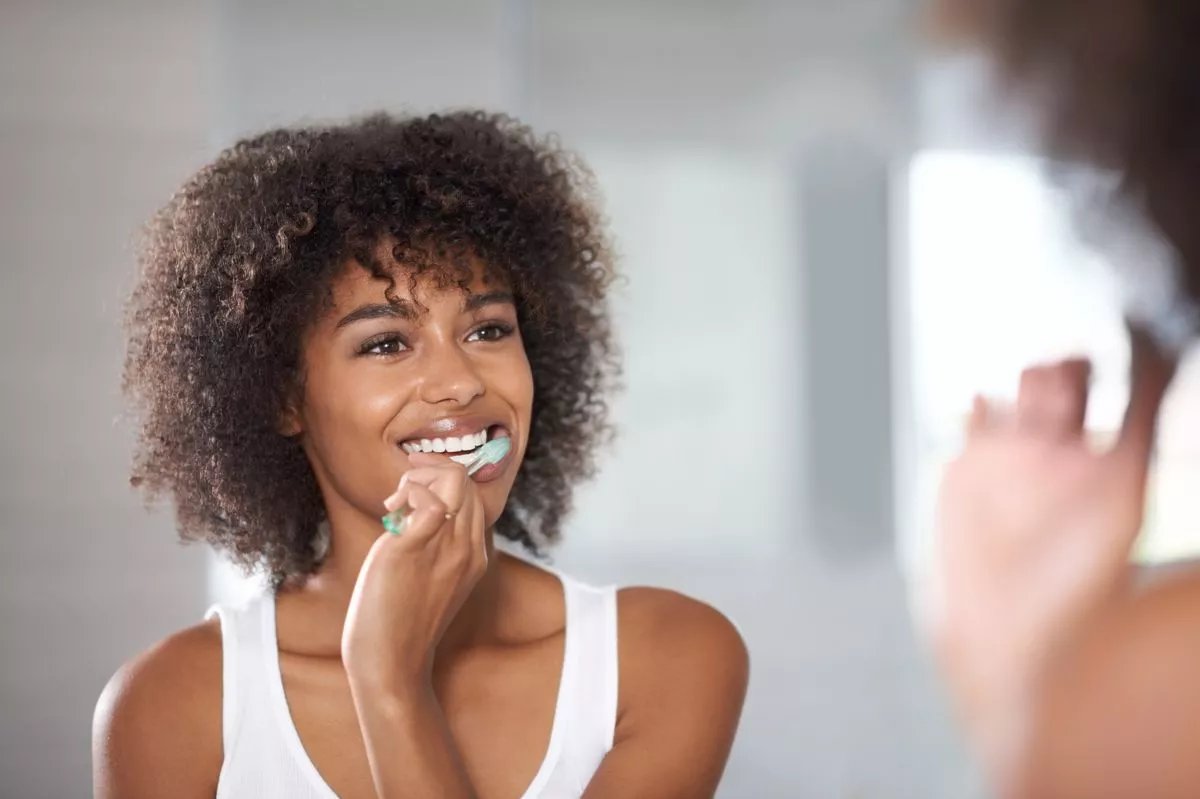
A recent study has revealed a concerning connection between oral hygiene and the risk of developing dementia. Conducted by researchers and published by the National Institutes of Health, the findings indicate that poor oral care and gum disease may increase an individual’s likelihood of facing cognitive decline, including Alzheimer’s disease.
While millions of people in the United States are affected by dementia, there currently exists no definitive cure. However, lifestyle modifications can potentially delay the onset of this debilitating condition. In addition to exercise and a diet rich in brain-healthy foods, maintaining proper dental hygiene could play a pivotal role in cognitive health.
The study suggests that neglecting to brush one’s teeth can foster an environment for harmful bacteria to thrive. When these bacteria enter the bloodstream, they may cause inflammation in the brain, which is linked to cognitive issues. Notably, older adults experiencing dementia often forget daily activities such as brushing their teeth, worsening their overall health. This emphasizes the importance of ensuring that elderly individuals have support to maintain their oral hygiene routines.
Broader Implications of Gum Disease
The ramifications of inadequate oral hygiene extend beyond dementia. A separate study published in the American Journal of Medicine in 2024 identified gum disease as a significant risk factor for diabetes. According to study author Frank Scannapieco, persistent inflammation of the gums can lead to insulin resistance. He noted, “Long-term chronic periodontitis can contribute to systemic inflammation, which could contribute to diabetes,” as reported by Discover Magazine.
Furthermore, research indicates that gum disease can elevate blood sugar levels, thereby increasing the risk of type 2 diabetes. As such, maintaining good oral health is crucial not only for preventing cognitive decline but also for mitigating risks associated with diabetes.
Best Practices for Oral Hygiene
To support optimal dental health, the American Dental Association recommends brushing teeth twice daily, using fluoride toothpaste for at least two minutes each session. In addition, flossing once a day and staying well-hydrated can enhance overall mouth cleanliness.
Some urban areas have added fluoride to their tap water, which can help lower cavity risks for residents. Daily use of mouthwash can also assist in removing bacteria from the mouth, while replacing toothbrushes at least every four months—or sooner if one has been ill—can contribute to better oral hygiene.
As research continues to explore the connections between oral health and broader health outcomes, the significance of routine dental care becomes increasingly clear. By adopting good oral hygiene practices, individuals may not only protect their teeth but also support their cognitive and overall health as they age.

Fort Worth Hosts Exciting Hometown Half Marathon and 5K/10K Events

Navy Launches Five New Acquisition Executives to Streamline Processes

Utah Mother Kouri Richins Accused of Poisoning Husband for Money

Oil Prices Surge, U.S. Stocks Show Unexpected Resilience

Cyberpunk 2077 Set for PS5 Pro Performance Update Soon

Home Assistant Tool Enhances Server Health with Global Score

Oregon Ducks Unveil Nature-Inspired Nike Air Max 95 Sneakers

Trump Administration’s Legal Tactics Intensify at the Border

Sandia Scientists Recognized as National Academy of Inventors Fellows

Libraries Challenge Rising E-Book Costs Amid Growing Demand

Tyreek Hill Responds to Tua Tagovailoa’s Comments on Team Dynamics

San Francisco Hosts Unique Contest to Identify “Performative Males”

Liverpool Secures Agreement to Sign Young Striker Will Wright

Astronomers Unveil Insights from β Pictoris b Using GRAVITY

University of Hawaiʻi Joins $25M AI Initiative to Monitor Disasters

Save Your Split Tomatoes: Expert Tips for Gardeners

Elon Musk Sculpture Travels From Utah to Yosemite National Park

California Develops New Method to Monitor Toxic Algal Blooms
-
 Lifestyle10 months ago
Libraries Challenge Rising E-Book Costs Amid Growing Demand
-
 Sports9 months ago
Tyreek Hill Responds to Tua Tagovailoa’s Comments on Team Dynamics
-
 Science8 months ago
San Francisco Hosts Unique Contest to Identify “Performative Males”
-
 Sports9 months ago
Liverpool Secures Agreement to Sign Young Striker Will Wright
-
 Science7 months ago
Astronomers Unveil Insights from β Pictoris b Using GRAVITY
-
Science6 months ago
University of Hawaiʻi Joins $25M AI Initiative to Monitor Disasters
-
 Lifestyle9 months ago
Save Your Split Tomatoes: Expert Tips for Gardeners
-
 Sports9 months ago
Elon Musk Sculpture Travels From Utah to Yosemite National Park
-
 Science9 months ago
California Develops New Method to Monitor Toxic Algal Blooms
-

 Lifestyle9 months ago
Princess Beatrice’s Daughter Athena Joins Siblings at London Parade
-

 Sports9 months ago
Bubba Wallace Makes History with Brickyard 400 Victory
-

 World9 months ago
Winter Storms Lash New South Wales with Snow, Flood Risks