
Science
Uncertain Future for US Science Funding as 2026 Approaches

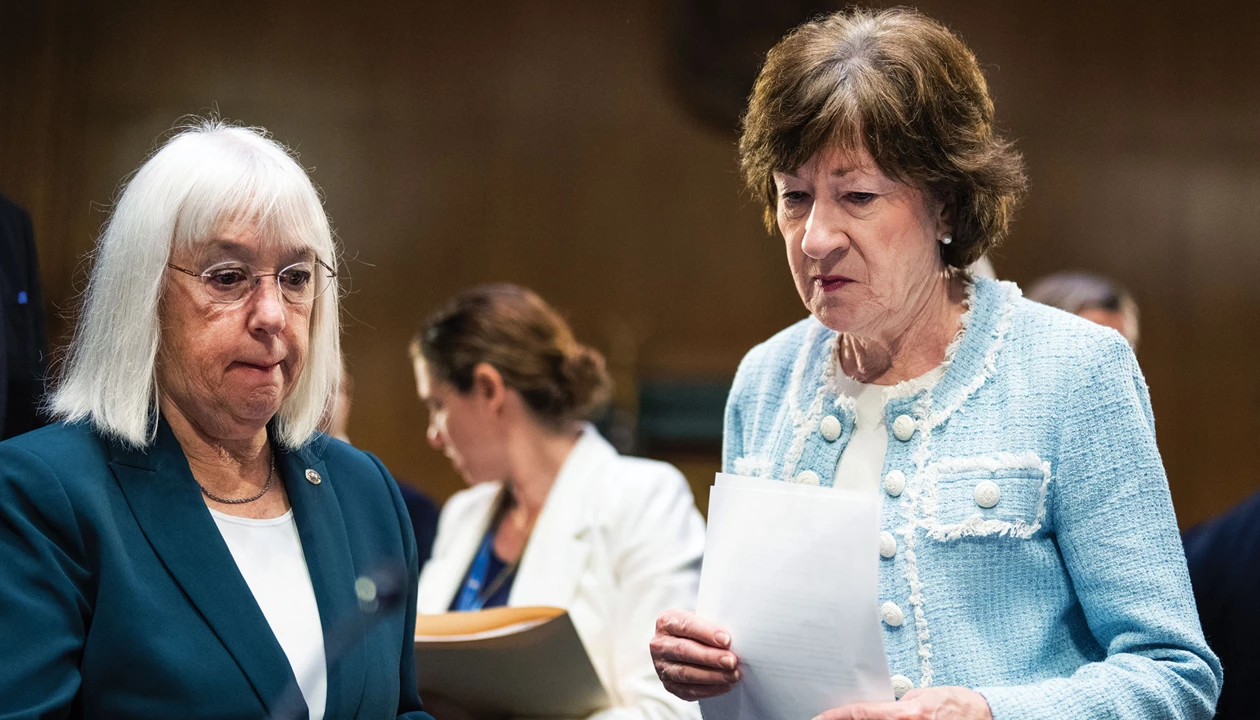
As the second administration of Donald J. Trump and the 119th Congress advance into their second year, the landscape of science funding in the United States is becoming increasingly uncertain. Analysts indicate that significant challenges lie ahead for federal science agencies, including the National Science Foundation (NSF) and the National Institutes of Health (NIH), as Congress faces a deadline to finalize appropriations by January 30, 2026.
Under the current continuing resolution, lawmakers must navigate the complexities of budget negotiations, particularly concerning funding for the NSF. According to Alessandra Zimmermann, project director of research and development policy at the American Association for the Advancement of Science, it is unlikely that Congress will complete this process in time. The House and Senate are still reconciling their versions of the appropriations bill, yet neither proposal reflects the substantial funding cuts of up to 57% suggested in the president’s budget request from May.
Even if funding levels remain stable, the process of securing federal grants is expected to become more challenging in 2026. Robert “Bob” Cook-Deegan, a professor at the School for the Future of Innovation in Society at Arizona State University, notes that the NIH has recently shifted toward a forward funding model, which provides researchers with a lump sum instead of distributing payments over time. While this approach could streamline funding in the long run, it may result in fewer new projects being funded in the interim. The NIH’s congressional budget justification indicates that the agency plans to allocate 50% of its appropriated funds to this forward funding, potentially reducing the number of grants awarded from approximately 10,000 to about 6,200, as analyzed by Jeremy M. Berg, a biochemist and former director of the US National Institute of General Medical Sciences.
Researchers may find themselves at a disadvantage if their work does not align with the administration’s current priorities, which include fields such as artificial intelligence, quantum science, and nuclear energy. Zimmermann warns that funding for other areas may be reduced to accommodate these preferences.
To expedite research approvals in priority areas, both the NIH and NSF announced modifications to their grant review procedures in December. These changes aim to formalize the ad hoc reductions experienced in 2025, reflecting a more systematic and transparent approach to grant management. Berg emphasized the importance of these changes, stating, “They’re correcting that so they can now do what they were doing but do it in a way that’s much more explicit and transparent and legally protected.”
In light of the funding landscape, researchers in less favored fields may increasingly seek out private funding options. Cook-Deegan predicts a shift toward privately funded research and development as academics adapt to the changing funding environment.
Furthermore, the ongoing debate over indirect costs—funds intended for institutional administrative and infrastructure expenses—continues to complicate the funding picture. The administration has proposed capping these costs at 15% of the total grant amount, a move that has faced legal challenges. Tobin Smith, senior vice president for government relations and public policy at the Association of American Universities, mentioned that a coalition representing universities is presenting an alternative funding model to Congress.
The US Office of Management and Budget is expected to provide guidance on indirect costs by the end of January, a development that could further influence the funding strategies of federal science agencies and their researchers.
As the deadline for appropriations approaches, the uncertainty surrounding science funding for 2026 remains a critical concern for researchers and institutions across the United States.

Fort Worth Hosts Exciting Hometown Half Marathon and 5K/10K Events

Navy Launches Five New Acquisition Executives to Streamline Processes

Utah Mother Kouri Richins Accused of Poisoning Husband for Money

Oil Prices Surge, U.S. Stocks Show Unexpected Resilience

Cyberpunk 2077 Set for PS5 Pro Performance Update Soon

Home Assistant Tool Enhances Server Health with Global Score

Oregon Ducks Unveil Nature-Inspired Nike Air Max 95 Sneakers

Trump Administration’s Legal Tactics Intensify at the Border

Sandia Scientists Recognized as National Academy of Inventors Fellows

Libraries Challenge Rising E-Book Costs Amid Growing Demand

Tyreek Hill Responds to Tua Tagovailoa’s Comments on Team Dynamics

San Francisco Hosts Unique Contest to Identify “Performative Males”

Liverpool Secures Agreement to Sign Young Striker Will Wright

Astronomers Unveil Insights from β Pictoris b Using GRAVITY

University of Hawaiʻi Joins $25M AI Initiative to Monitor Disasters

Save Your Split Tomatoes: Expert Tips for Gardeners

Elon Musk Sculpture Travels From Utah to Yosemite National Park

California Develops New Method to Monitor Toxic Algal Blooms
-
 Lifestyle10 months ago
Libraries Challenge Rising E-Book Costs Amid Growing Demand
-
 Sports9 months ago
Tyreek Hill Responds to Tua Tagovailoa’s Comments on Team Dynamics
-
 Science8 months ago
San Francisco Hosts Unique Contest to Identify “Performative Males”
-
 Sports9 months ago
Liverpool Secures Agreement to Sign Young Striker Will Wright
-
 Science7 months ago
Astronomers Unveil Insights from β Pictoris b Using GRAVITY
-
Science6 months ago
University of Hawaiʻi Joins $25M AI Initiative to Monitor Disasters
-
 Lifestyle9 months ago
Save Your Split Tomatoes: Expert Tips for Gardeners
-
 Sports9 months ago
Elon Musk Sculpture Travels From Utah to Yosemite National Park
-
 Science9 months ago
California Develops New Method to Monitor Toxic Algal Blooms
-

 Lifestyle9 months ago
Princess Beatrice’s Daughter Athena Joins Siblings at London Parade
-

 Sports9 months ago
Bubba Wallace Makes History with Brickyard 400 Victory
-
 World9 months ago
Winter Storms Lash New South Wales with Snow, Flood Risks