
Science
Researchers Develop Grains as Living Biosensors for Chemicals


A team of researchers from the Donald Danforth Plant Science Center, the University of Florida in Gainesville, and the University of Iowa has developed innovative tools that enable grasses, including major grain crops like corn, to function as living biosensors. These biosensors can detect minute amounts of chemicals in agricultural fields, marking a significant advancement in both agricultural monitoring and environmental safety.
This breakthrough was unveiled in September 2023, highlighting how these modified grasses can respond to chemical signals in their environment. By embedding specific genetic elements into the plant’s DNA, the researchers have transformed them into sensitive indicators of chemical presence. This capability may revolutionize how farmers monitor for pesticides, fertilizers, and other chemical agents, facilitating timely interventions and reducing potential agricultural runoff.
The implications of this research extend beyond agronomy. By using crops as biosensors, the team aims to promote more sustainable farming practices. Traditional methods of chemical monitoring often rely on expensive and labor-intensive laboratory tests. With biosensor-equipped grasses, farmers can receive real-time feedback about their fields, potentially leading to healthier crops and less environmental impact.
Researchers believe this technology can be particularly beneficial in regions where agricultural practices may contribute to soil and water contamination. The ability to detect harmful substances quickly can help mitigate damage to ecosystems and ensure food safety. This is especially important in light of increasing concerns over chemical use in farming and its effects on public health.
The development of these living biosensors also opens avenues for further research. As the technology matures, scientists may explore enhancing the sensitivity and specificity of the biosensors. This could lead to broader applications, including monitoring for pathogens or other environmental stressors affecting crops.
In summary, the collaboration among the Donald Danforth Plant Science Center, the University of Florida, and the University of Iowa has resulted in a promising tool that could change the landscape of agricultural monitoring. By harnessing the natural capabilities of grasses, this research represents a significant step toward more sustainable and effective farming practices.

Fort Worth Hosts Exciting Hometown Half Marathon and 5K/10K Events

Navy Launches Five New Acquisition Executives to Streamline Processes

Utah Mother Kouri Richins Accused of Poisoning Husband for Money

Oil Prices Surge, U.S. Stocks Show Unexpected Resilience

Cyberpunk 2077 Set for PS5 Pro Performance Update Soon

Home Assistant Tool Enhances Server Health with Global Score

Oregon Ducks Unveil Nature-Inspired Nike Air Max 95 Sneakers

Trump Administration’s Legal Tactics Intensify at the Border

Sandia Scientists Recognized as National Academy of Inventors Fellows

Libraries Challenge Rising E-Book Costs Amid Growing Demand

Tyreek Hill Responds to Tua Tagovailoa’s Comments on Team Dynamics

San Francisco Hosts Unique Contest to Identify “Performative Males”

Liverpool Secures Agreement to Sign Young Striker Will Wright

Astronomers Unveil Insights from β Pictoris b Using GRAVITY

University of Hawaiʻi Joins $25M AI Initiative to Monitor Disasters

Save Your Split Tomatoes: Expert Tips for Gardeners

Elon Musk Sculpture Travels From Utah to Yosemite National Park

California Develops New Method to Monitor Toxic Algal Blooms
-
 Lifestyle10 months ago
Libraries Challenge Rising E-Book Costs Amid Growing Demand
-
 Sports9 months ago
Tyreek Hill Responds to Tua Tagovailoa’s Comments on Team Dynamics
-
 Science8 months ago
San Francisco Hosts Unique Contest to Identify “Performative Males”
-
 Sports9 months ago
Liverpool Secures Agreement to Sign Young Striker Will Wright
-
 Science7 months ago
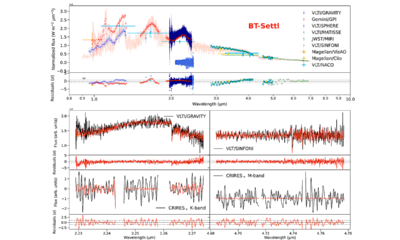
Astronomers Unveil Insights from β Pictoris b Using GRAVITY
-
Science6 months ago
University of Hawaiʻi Joins $25M AI Initiative to Monitor Disasters
-
 Lifestyle9 months ago
Save Your Split Tomatoes: Expert Tips for Gardeners
-
 Sports9 months ago
Elon Musk Sculpture Travels From Utah to Yosemite National Park
-
 Science9 months ago
California Develops New Method to Monitor Toxic Algal Blooms
-

 Lifestyle9 months ago
Princess Beatrice’s Daughter Athena Joins Siblings at London Parade
-

 Sports9 months ago
Bubba Wallace Makes History with Brickyard 400 Victory
-
 World9 months ago
Winter Storms Lash New South Wales with Snow, Flood Risks