
World
Southwest Airlines Ends Open Seating, Faces Backlash from Loyalists

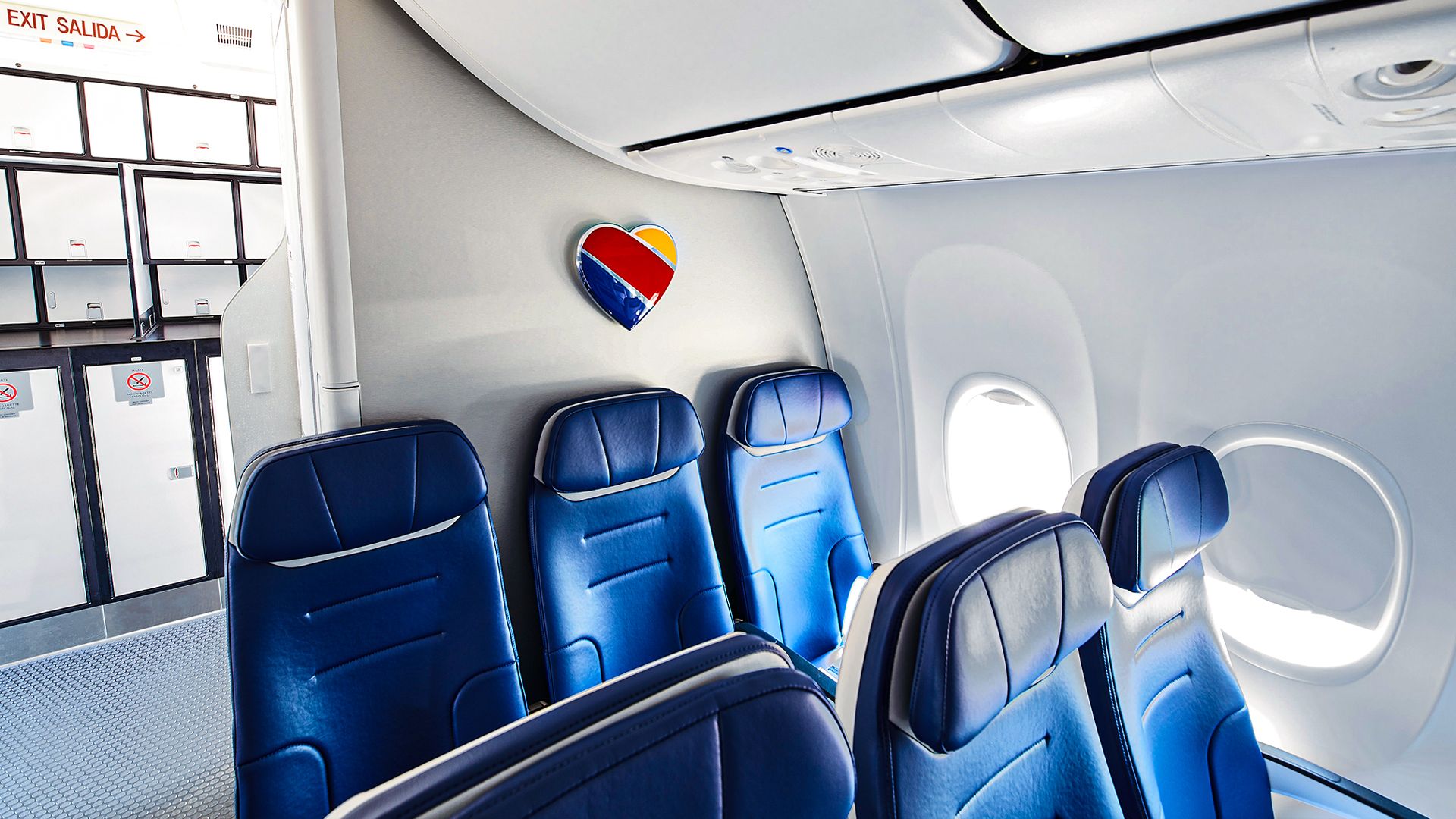
Southwest Airlines has officially transitioned to assigned seating, marking the end of its long-standing open seating policy. The last flight featuring open seating, flight WN1971, departed from Honolulu’s Daniel K Inouye International Airport on January 26, 2026, en route to Los Angeles International Airport. This change aligns Southwest with the majority of other US airlines, which no longer offer open seating.
Under the new system, Southwest has adopted eight numbered boarding groups, replacing its previous three-letter boarding groups. Customers can choose their seats during the booking process, while those with basic economy tickets are not permitted to select their seats and will receive an automatic assignment upon check-in. This shift is expected to significantly enhance Southwest’s ancillary revenue, allowing the airline to charge for seat selections along with other fees.
Impacts of Assigned Seating on Customer Experience
The move to assigned seating has prompted a mixed response from loyal customers. While many appreciate the ability to secure preferred seats, others feel that the changes have diminished the unique experience Southwest once offered. Previously, passengers were sorted into groups A, B, or C based on their check-in time, allowing them the freedom to select any available seat upon boarding. This flexibility has now been replaced by a more traditional system, with assigned seats that could lead to increased frustration among passengers who enjoyed the previous arrangement.
Reports have surfaced of A-List Preferred members being assigned to later boarding groups, contradicting Southwest’s promotional material that marketed earlier boarding as a benefit of their loyalty program. Additionally, anecdotal accounts indicate that some passengers experienced issues, such as being denied the chance to switch seats during a flight that had plenty of empty seats. These frustrations reflect the challenges that come with implementing new policies, especially in an industry where customer satisfaction is paramount.
Financial Motivations Behind the Change
The decision to move away from open seating appears driven by financial considerations. As airlines increasingly rely on ancillary revenue from fees and surcharges, Southwest’s previous model limited its ability to monetize its services effectively. According to analysts, the transition aligns with broader efforts to enhance the airline’s financial performance, particularly following a challenging recovery from the COVID-19 pandemic.
With assigned seating, Southwest can introduce additional charges for extra-legroom seats, a move intended to attract new customers while capitalizing on existing passenger demand. This shift also coincides with the airline’s recent decision to discontinue its long-standing policy of offering two free checked bags. These changes have drawn criticism from loyalists who appreciated Southwest’s unique offerings, raising questions about the airline’s strategy in navigating a highly competitive market.
Southwest Airlines recorded a revenue of $28.10 billion in 2025, but its net income was only $441 million, reflecting a net margin of just 1.6%. In contrast, major competitors like Delta Air Lines and United Airlines posted significantly higher revenues and profits during the same period, illustrating the financial pressures Southwest is facing.
While the backlash from loyal customers is palpable, industry experts suggest that the airline is unlikely to reverse its course on assigned seating. As the airline adjusts to its new operational model, improvements in customer experience are anticipated as staff become more familiar with the updated policies.
The transition to assigned seating marks a significant moment for Southwest Airlines, as it navigates the delicate balance between maintaining customer loyalty and adapting to industry standards. With the competitive landscape evolving, the airline’s future will hinge on its ability to reconcile these changes with the expectations of its long-time passengers.

Fort Worth Hosts Exciting Hometown Half Marathon and 5K/10K Events

Navy Launches Five New Acquisition Executives to Streamline Processes

Utah Mother Kouri Richins Accused of Poisoning Husband for Money

Oil Prices Surge, U.S. Stocks Show Unexpected Resilience

Cyberpunk 2077 Set for PS5 Pro Performance Update Soon

Home Assistant Tool Enhances Server Health with Global Score

Oregon Ducks Unveil Nature-Inspired Nike Air Max 95 Sneakers

Trump Administration’s Legal Tactics Intensify at the Border

Sandia Scientists Recognized as National Academy of Inventors Fellows

Libraries Challenge Rising E-Book Costs Amid Growing Demand

Tyreek Hill Responds to Tua Tagovailoa’s Comments on Team Dynamics

Liverpool Secures Agreement to Sign Young Striker Will Wright

San Francisco Hosts Unique Contest to Identify “Performative Males”

Save Your Split Tomatoes: Expert Tips for Gardeners

Elon Musk Sculpture Travels From Utah to Yosemite National Park

Princess Beatrice’s Daughter Athena Joins Siblings at London Parade

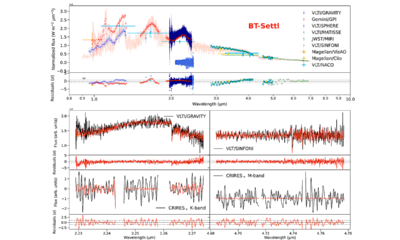
Astronomers Unveil Insights from β Pictoris b Using GRAVITY

Winter Storms Lash New South Wales with Snow, Flood Risks
-
 Lifestyle8 months ago
Libraries Challenge Rising E-Book Costs Amid Growing Demand
-
 Sports8 months ago
Tyreek Hill Responds to Tua Tagovailoa’s Comments on Team Dynamics
-
 Sports8 months ago
Liverpool Secures Agreement to Sign Young Striker Will Wright
-
 Science7 months ago
San Francisco Hosts Unique Contest to Identify “Performative Males”
-
 Lifestyle8 months ago
Save Your Split Tomatoes: Expert Tips for Gardeners
-
 Sports8 months ago
Elon Musk Sculpture Travels From Utah to Yosemite National Park
-
 Lifestyle8 months ago
Princess Beatrice’s Daughter Athena Joins Siblings at London Parade
-
 Science6 months ago
Astronomers Unveil Insights from β Pictoris b Using GRAVITY
-
 World8 months ago
Winter Storms Lash New South Wales with Snow, Flood Risks
-
 Science8 months ago
Trump Administration Moves to Repeal Key Climate Regulation
-

 Sports8 months ago
Bubba Wallace Makes History with Brickyard 400 Victory
-

 Business8 months ago
SoFi Technologies Shares Slip 2% Following Insider Stock Sale