
World
NATO Must Adapt Quickly to Compete with Russia, Warns Sweden’s Air Force Chief

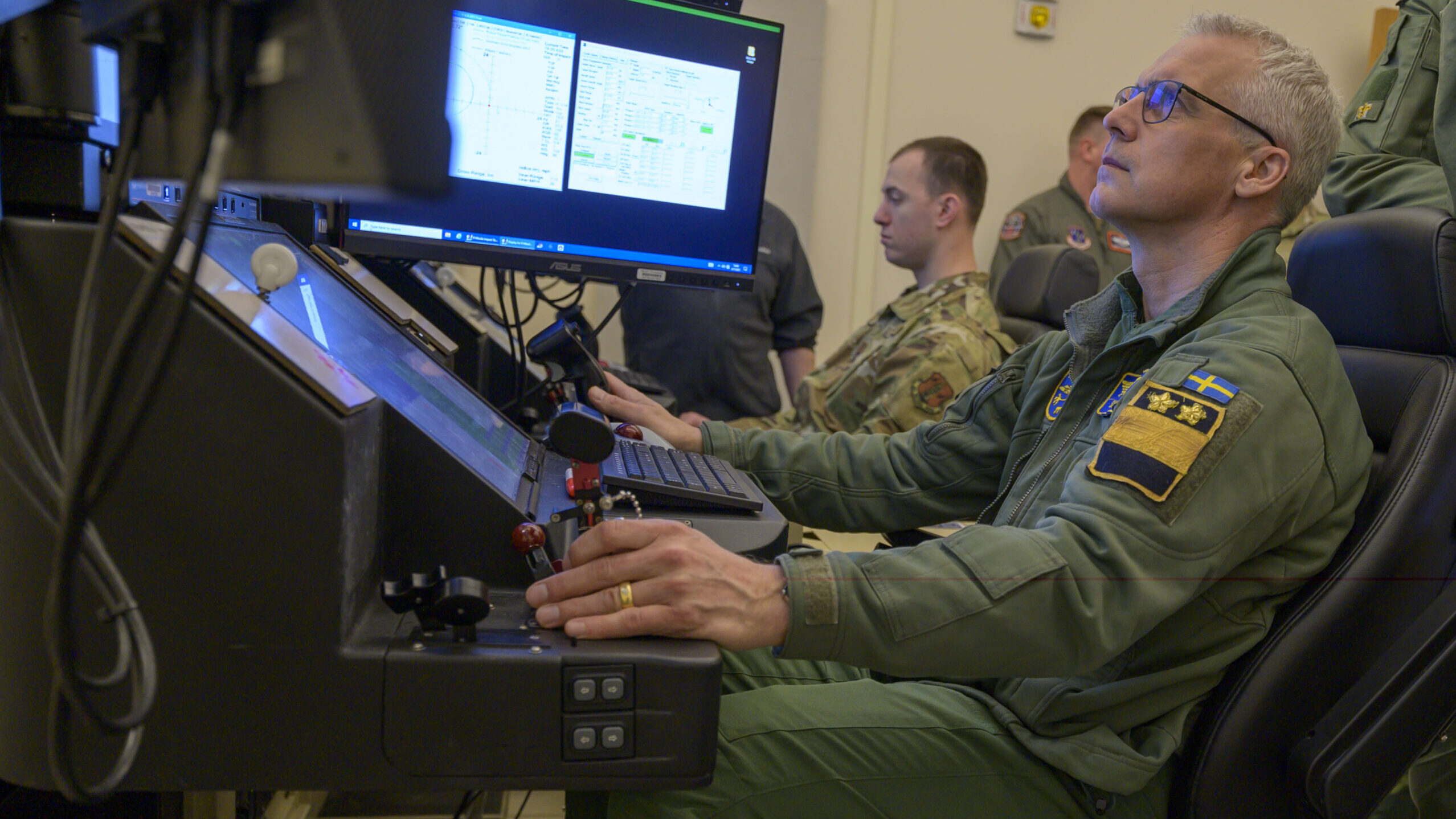
Sweden’s top air force official, Commander Jonas Wikman, emphasized the urgent need for NATO allies to innovate rapidly in military technology to avoid losing future conflicts with Russia. Speaking at the Defence IQ International Fighter conference in Rome, Wikman stated that without a significant acceleration in weapon system development, NATO risks being unprepared for the “next decisive conflict in Europe.”
Wikman pointed to the ongoing conflict in Ukraine as a prime example of effective adaptation under pressure. He described it as a “masterclass in accelerated adaptation,” asserting that the side that learns the fastest will prevail in warfare. “Tactics evolve weekly,” he noted, adding that weaponry previously provided to Ukraine is now frequently employed in ways not originally intended.
As NATO faces increasing threats from Russian drone incursions across Europe, the urgency for innovation becomes more pronounced. Recent events have prompted NATO to bolster its presence along the Eastern Flank, while the European Union is exploring a drone wall initiative. This proposed system aims to establish a layered air defense with robust counter-drone capabilities.
Wikman stressed the importance of collaboration among air forces, industry, and academia to ensure “readiness for future threats.” He clarified that the collaboration should focus on wartime capabilities rather than peacetime partnerships. “I’m not talking about partnerships for peacetime. I’m talking about a capability for wartime operations,” he said.
The Swedish Air Force is already implementing this collaborative model as it introduces the Saab S 106 GlobalEye Airborne Early Warning and Control (AEW&C) platform. Currently, Sweden has ordered three of these multirole aircraft, which are modified versions of the Bombardier Global 6000 business jet designed for comprehensive surveillance of air, land, and sea.
Central to the operational planning of the GlobalEye unit is a “development cell.” This initiative integrates industry, academia, and research authorities directly within the Swedish Air Force, allowing for greater efficiency and responsiveness. Wikman noted, “Industry and academia must be integrated into our wartime organization, co-located, empowered, and accountable under the commander’s intent.”
As NATO faces evolving threats, the call for rapid innovation and collaboration becomes increasingly critical. The insights from Wikman and other Nordic officials underscore the pressing need for military alliances to adapt quickly, ensuring they remain equipped to counter future challenges effectively.

Fort Worth Hosts Exciting Hometown Half Marathon and 5K/10K Events

Navy Launches Five New Acquisition Executives to Streamline Processes

Utah Mother Kouri Richins Accused of Poisoning Husband for Money

Oil Prices Surge, U.S. Stocks Show Unexpected Resilience

Cyberpunk 2077 Set for PS5 Pro Performance Update Soon

Home Assistant Tool Enhances Server Health with Global Score

Oregon Ducks Unveil Nature-Inspired Nike Air Max 95 Sneakers

Trump Administration’s Legal Tactics Intensify at the Border

Sandia Scientists Recognized as National Academy of Inventors Fellows

Libraries Challenge Rising E-Book Costs Amid Growing Demand

Tyreek Hill Responds to Tua Tagovailoa’s Comments on Team Dynamics

San Francisco Hosts Unique Contest to Identify “Performative Males”

Liverpool Secures Agreement to Sign Young Striker Will Wright

Astronomers Unveil Insights from β Pictoris b Using GRAVITY

Save Your Split Tomatoes: Expert Tips for Gardeners

University of Hawaiʻi Joins $25M AI Initiative to Monitor Disasters

Elon Musk Sculpture Travels From Utah to Yosemite National Park

Princess Beatrice’s Daughter Athena Joins Siblings at London Parade
-
 Lifestyle9 months ago
Libraries Challenge Rising E-Book Costs Amid Growing Demand
-
 Sports9 months ago
Tyreek Hill Responds to Tua Tagovailoa’s Comments on Team Dynamics
-
 Science8 months ago
San Francisco Hosts Unique Contest to Identify “Performative Males”
-
 Sports9 months ago
Liverpool Secures Agreement to Sign Young Striker Will Wright
-
 Science7 months ago
Astronomers Unveil Insights from β Pictoris b Using GRAVITY
-
 Lifestyle9 months ago
Save Your Split Tomatoes: Expert Tips for Gardeners
-
Science6 months ago
University of Hawaiʻi Joins $25M AI Initiative to Monitor Disasters
-
 Sports9 months ago
Elon Musk Sculpture Travels From Utah to Yosemite National Park
-
 Lifestyle9 months ago
Princess Beatrice’s Daughter Athena Joins Siblings at London Parade
-

 Science9 months ago
California Develops New Method to Monitor Toxic Algal Blooms
-

 Sports9 months ago
Bubba Wallace Makes History with Brickyard 400 Victory
-

 World9 months ago
Winter Storms Lash New South Wales with Snow, Flood Risks