
World
FAA Proposes Major Upgrades for Aircraft Altimeters, Costing Billions

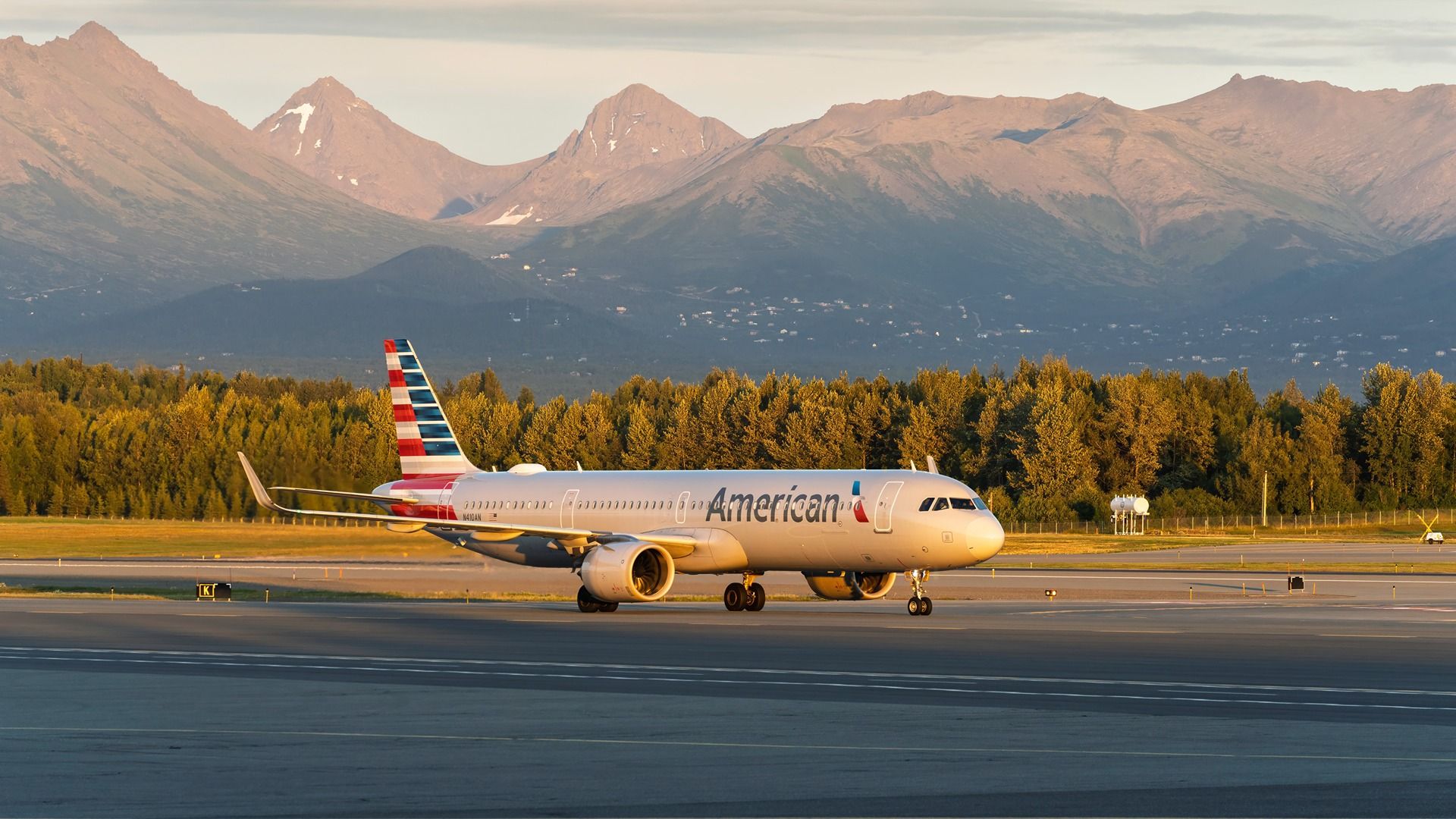
The Federal Aviation Administration (FAA) has proposed new regulations that could require U.S. aircraft operators to upgrade up to **58,600 radio altimeters**, potentially incurring costs exceeding **$4.5 billion**. This initiative aligns with the federal government’s transition to the **5G spectrum** and is part of the **One Big Beautiful Bill Act**.
As outlined in the proposed rule published in the Federal Register, the FAA aims to ensure that all aircraft radio altimeters can withstand interference from nearby wireless signals. Specifically, the regulations set a minimum interference tolerance that reflects the best achievable performance with current technology.
Compliance Timeline and Requirements
The new regulations will primarily affect aircraft already equipped with current radio altimeters under FAA regulations Part 121 and Part 129. Additionally, aircraft carrying **30 or more passengers** or with a payload exceeding **7,500 pounds (3,400 kg)** must comply with the updated performance requirements. The FAA has set an initial compliance deadline between **2029 and 2039**, depending on factors such as equipment availability and the feasibility of retrofitting existing aircraft.
For all other aircraft types, compliance will be required within **two years** of the regulations taking effect. Public comments regarding these proposed changes are open until **March 9, 2024**.
**Airlines for America**, an aviation industry group, stated, “We have been working collaboratively with the telecommunications industry, the FAA, and the FCC to identify solutions that ensure our nation’s airspace remains safe while allowing the spectrum to be used. We were expecting this NPRM, which was published to fulfill requirements included in the One Big Beautiful Bill, and are currently evaluating all of the details in the proposal and will be providing comments.”
Addressing Safety Concerns
A significant aspect of the proposed rule is to mitigate interference from wireless signals, which can lead to inaccurate readings from radio altimeters. These devices are crucial for pilots, providing essential data about the aircraft’s altitude above sea level. If interference occurs, it can result in erroneous readings or nuisance alerts, potentially leading to hazardous situations. Enhanced altimeters would improve capabilities such as terrain awareness, wind shear detection, and traffic collision avoidance.
The FAA estimates that retrofitting aircraft with interference-tolerant altimeters could cost upwards of **$4.5 billion**, or an annualized cost of **$424 million** over the next 20 years at a **7% discount rate**.
The issue of 5G interference is not new; European aviation regulators previously examined the risk and concluded that it was not a significant concern. Conversely, the FAA plans to replace radio altimeter systems by **2024**. By the end of **September 2023**, it was determined that the U.S. airline fleet had upgraded sufficiently to pose a low risk for 5G interference.
This initiative follows a decision made during Donald Trump’s presidency to reallocate the spectrum to generate additional revenue from license fees. According to **AeroTime**, as of August 2025, there had been **118 incidents** attributed to potential interference with C-band radio signals, which included display errors and nuisance alerts reliant on radio altimeter inputs.
As the FAA moves forward with this proposal, the aviation industry is bracing for the financial implications while prioritizing safety in the national airspace system.

Fort Worth Hosts Exciting Hometown Half Marathon and 5K/10K Events

Navy Launches Five New Acquisition Executives to Streamline Processes

Utah Mother Kouri Richins Accused of Poisoning Husband for Money

Oil Prices Surge, U.S. Stocks Show Unexpected Resilience

Cyberpunk 2077 Set for PS5 Pro Performance Update Soon

Home Assistant Tool Enhances Server Health with Global Score

Oregon Ducks Unveil Nature-Inspired Nike Air Max 95 Sneakers

Trump Administration’s Legal Tactics Intensify at the Border

Sandia Scientists Recognized as National Academy of Inventors Fellows

Libraries Challenge Rising E-Book Costs Amid Growing Demand

Tyreek Hill Responds to Tua Tagovailoa’s Comments on Team Dynamics

San Francisco Hosts Unique Contest to Identify “Performative Males”

Liverpool Secures Agreement to Sign Young Striker Will Wright

Astronomers Unveil Insights from β Pictoris b Using GRAVITY

Save Your Split Tomatoes: Expert Tips for Gardeners

University of Hawaiʻi Joins $25M AI Initiative to Monitor Disasters

Elon Musk Sculpture Travels From Utah to Yosemite National Park

Princess Beatrice’s Daughter Athena Joins Siblings at London Parade
-
 Lifestyle9 months ago
Libraries Challenge Rising E-Book Costs Amid Growing Demand
-
 Sports9 months ago
Tyreek Hill Responds to Tua Tagovailoa’s Comments on Team Dynamics
-
 Science8 months ago
San Francisco Hosts Unique Contest to Identify “Performative Males”
-
 Sports9 months ago
Liverpool Secures Agreement to Sign Young Striker Will Wright
-
 Science7 months ago
Astronomers Unveil Insights from β Pictoris b Using GRAVITY
-
 Lifestyle9 months ago
Save Your Split Tomatoes: Expert Tips for Gardeners
-
Science6 months ago
University of Hawaiʻi Joins $25M AI Initiative to Monitor Disasters
-
 Sports9 months ago
Elon Musk Sculpture Travels From Utah to Yosemite National Park
-
 Lifestyle9 months ago
Princess Beatrice’s Daughter Athena Joins Siblings at London Parade
-

 Science9 months ago
California Develops New Method to Monitor Toxic Algal Blooms
-

 Sports9 months ago
Bubba Wallace Makes History with Brickyard 400 Victory
-

 World9 months ago
Winter Storms Lash New South Wales with Snow, Flood Risks