
Science
New Method Enhances Detection of Off-Target Genome Changes


Scientists at St. Jude Children’s Research Hospital have unveiled a groundbreaking method to improve the detection of off-target genome changes associated with precision gene editing technologies. This advancement, announced on October 3, 2023, aims to enhance the safety and efficacy of CRISPR and similar genome editing techniques, which have significant implications for precision medicine.
Addressing Safety Concerns in Gene Editing
As the use of genome editing technologies continues to grow, the focus on identifying unintended genetic modifications has intensified. Off-target effects can pose serious safety risks, making it essential for researchers and physicians to have reliable tools for assessment. The new method presented by St. Jude’s researchers promises to streamline this process, ultimately saving both time and resources.
Current techniques for detecting off-target sites often involve complex protocols that can be labor-intensive and technically challenging. The St. Jude team’s innovative approach offers a more efficient solution, allowing for more accurate identification of potential safety risks associated with genetic modifications.
Dr. James D. Downing, the President and CEO of St. Jude, emphasized the importance of this research. “Our goal is to ensure that advances in gene editing are coupled with rigorous safety assessments,” he stated. “This new method provides researchers with a powerful tool to enhance the reliability of their findings.”
Implications for Future Research and Medicine
This advancement comes as the field of genome editing is experiencing rapid growth, with numerous studies exploring therapeutic applications for genetic diseases. By improving the ability to detect off-target edits, the new method could facilitate more robust research and development, potentially leading to safer gene therapies for patients.
The implications of this research extend beyond academic settings; increased precision in gene editing could pave the way for innovative treatments in various fields, including oncology, genetic disorders, and regenerative medicine. As scientists continue to explore the potential of CRISPR and other gene editing tools, ensuring patient safety remains a top priority.
While this new detection method represents a significant step forward, it is crucial for ongoing studies to validate its effectiveness across different contexts and applications. The St. Jude team is committed to collaborating with other researchers to refine and implement this technology in diverse settings.
The release of this method marks an important milestone in the journey toward safer and more effective genome editing practices. As the scientific community embraces these advancements, the potential to transform patient care and treatment outcomes becomes increasingly tangible.
In conclusion, the innovative approach by St. Jude Children’s Research Hospital not only addresses critical safety concerns in genome editing but also holds promise for enhancing the future of precision medicine. The ongoing commitment to safety and efficacy will be vital as the field continues to evolve.

Fort Worth Hosts Exciting Hometown Half Marathon and 5K/10K Events

Navy Launches Five New Acquisition Executives to Streamline Processes

Utah Mother Kouri Richins Accused of Poisoning Husband for Money

Oil Prices Surge, U.S. Stocks Show Unexpected Resilience

Cyberpunk 2077 Set for PS5 Pro Performance Update Soon

Home Assistant Tool Enhances Server Health with Global Score

Oregon Ducks Unveil Nature-Inspired Nike Air Max 95 Sneakers

Trump Administration’s Legal Tactics Intensify at the Border

Sandia Scientists Recognized as National Academy of Inventors Fellows

Libraries Challenge Rising E-Book Costs Amid Growing Demand

Tyreek Hill Responds to Tua Tagovailoa’s Comments on Team Dynamics

San Francisco Hosts Unique Contest to Identify “Performative Males”

Liverpool Secures Agreement to Sign Young Striker Will Wright

Astronomers Unveil Insights from β Pictoris b Using GRAVITY

University of Hawaiʻi Joins $25M AI Initiative to Monitor Disasters

Save Your Split Tomatoes: Expert Tips for Gardeners

Elon Musk Sculpture Travels From Utah to Yosemite National Park

Princess Beatrice’s Daughter Athena Joins Siblings at London Parade
-
 Lifestyle9 months ago
Libraries Challenge Rising E-Book Costs Amid Growing Demand
-
 Sports9 months ago
Tyreek Hill Responds to Tua Tagovailoa’s Comments on Team Dynamics
-
 Science8 months ago
San Francisco Hosts Unique Contest to Identify “Performative Males”
-
 Sports9 months ago
Liverpool Secures Agreement to Sign Young Striker Will Wright
-
 Science7 months ago
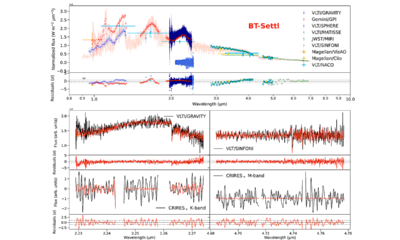
Astronomers Unveil Insights from β Pictoris b Using GRAVITY
-
Science6 months ago
University of Hawaiʻi Joins $25M AI Initiative to Monitor Disasters
-
 Lifestyle9 months ago
Save Your Split Tomatoes: Expert Tips for Gardeners
-
 Sports9 months ago
Elon Musk Sculpture Travels From Utah to Yosemite National Park
-
 Lifestyle9 months ago
Princess Beatrice’s Daughter Athena Joins Siblings at London Parade
-

 Science9 months ago
California Develops New Method to Monitor Toxic Algal Blooms
-

 Sports9 months ago
Bubba Wallace Makes History with Brickyard 400 Victory
-

 World9 months ago
Winter Storms Lash New South Wales with Snow, Flood Risks