
Science
NASA Reveals No Rescue Plan for Lunar Astronauts Amid Artemis Changes

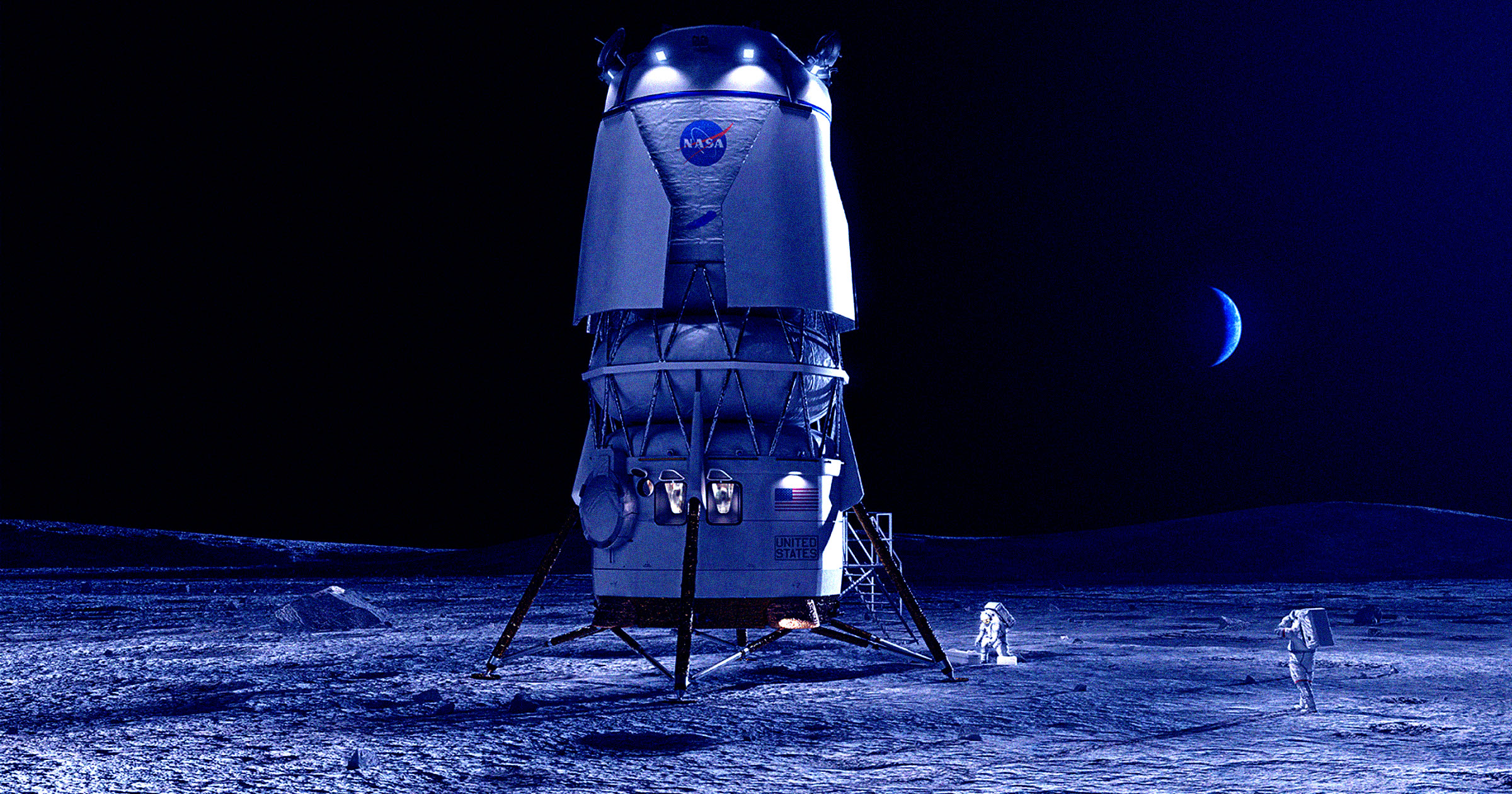
NASA has confirmed that it lacks a contingency plan to rescue astronauts in the event of a life-threatening emergency on the Moon. This announcement follows significant changes to the agency’s Artemis program, which were discussed by NASA administrator Jared Isaacman during a livestreamed press conference late last month. The third Artemis mission, originally planned for a human landing, will now focus on testing the Human Landing Systems developed by SpaceX and Blue Origin.
Isaacman emphasized the need to break the mission into achievable objectives to enhance “reliability and standardization.” This shift comes amidst ongoing challenges related to extreme space exploration. A recent report from the NASA Office of Inspector General (OIG) indicates that while the agency is taking steps to prevent catastrophic events, it currently lacks the capability to rescue a crew stranded on the lunar surface.
The historical context of this issue is notable. A draft speech prepared by presidential speechwriter William Safire in July 1969 for President Richard Nixon illustrates the gravity of potential disasters in space exploration. The speech was intended to be delivered if astronauts were unable to return from the Moon, highlighting that NASA has faced similar risks for decades.
Despite ongoing efforts to enhance safety, the OIG report reveals that significant gaps remain in NASA’s risk reduction methodology for lunar landings. Questions linger regarding the manual control designs of SpaceX and Blue Origin’s spacecraft, which are critical for crew survival in emergencies.
Challenges Ahead for Lunar Missions
As NASA aims for two lunar landing missions in 2028, the agency acknowledges that both partners have encountered delays. In a letter accompanying the OIG report, Lori Glaze, acting associate administrator for exploration systems development at NASA, stated that the agency is actively collaborating with experts to monitor and manage development efforts while implementing lessons learned.
The logistics of launching SpaceX’s massive 171-foot Starship to the Moon are daunting. The mission will require a fleet of at least ten “Starship tankers” to transport sufficient fuel to low Earth orbit, which must be completed at least 200 days prior to the lunar landing. Currently, SpaceX has not yet achieved a successful launch of the Starship into space, let alone a stable orbit or refueling.
Meanwhile, Blue Origin is also planning to launch a propellant depot for its lunar lander. Before any astronauts embark on these missions, NASA intends to conduct extensive tests of both landers in lunar orbit to address potential issues.
Landing on the Moon presents its own set of challenges. The OIG has indicated that the agency requires a tilt tolerance of just eight degrees at the landing site. This is critical to ensure that the towering Starship, comparable to a 14-story building, does not tip over. The Blue Moon lander, while shorter at 53 feet, also faces significant landing risks.
The historical context is stark; during the Apollo program, the tallest lunar module was less than half the height of Blue Moon. In February 2024, a lunar lander built by Intuitive Machines toppled during a landing attempt, underscoring the real dangers involved.
Future Considerations for Space Exploration
Another critical aspect of the lunar landers is the method of crew access to the lunar surface. The OIG report states, “Currently, there is no other method for the crew to enter the vehicle from the lunar surface in the event of an elevator failure.” This presents an added layer of danger for astronauts, further emphasizing the need for robust contingency plans.
As NASA navigates these challenges, the agency’s commitment to a more methodical approach to lunar exploration is clear. While the ambition remains high, the complexities of space travel demand careful consideration and thorough preparation to safeguard the lives of astronauts venturing into the unknown.

Fort Worth Hosts Exciting Hometown Half Marathon and 5K/10K Events

Navy Launches Five New Acquisition Executives to Streamline Processes

Utah Mother Kouri Richins Accused of Poisoning Husband for Money

Oil Prices Surge, U.S. Stocks Show Unexpected Resilience

Cyberpunk 2077 Set for PS5 Pro Performance Update Soon

Home Assistant Tool Enhances Server Health with Global Score

Oregon Ducks Unveil Nature-Inspired Nike Air Max 95 Sneakers

Trump Administration’s Legal Tactics Intensify at the Border

Sandia Scientists Recognized as National Academy of Inventors Fellows

Libraries Challenge Rising E-Book Costs Amid Growing Demand

Tyreek Hill Responds to Tua Tagovailoa’s Comments on Team Dynamics

San Francisco Hosts Unique Contest to Identify “Performative Males”

Liverpool Secures Agreement to Sign Young Striker Will Wright

Astronomers Unveil Insights from β Pictoris b Using GRAVITY

Save Your Split Tomatoes: Expert Tips for Gardeners

University of Hawaiʻi Joins $25M AI Initiative to Monitor Disasters

Elon Musk Sculpture Travels From Utah to Yosemite National Park

Princess Beatrice’s Daughter Athena Joins Siblings at London Parade
-
 Lifestyle9 months ago
Libraries Challenge Rising E-Book Costs Amid Growing Demand
-
 Sports9 months ago
Tyreek Hill Responds to Tua Tagovailoa’s Comments on Team Dynamics
-
 Science8 months ago
San Francisco Hosts Unique Contest to Identify “Performative Males”
-
 Sports9 months ago
Liverpool Secures Agreement to Sign Young Striker Will Wright
-
 Science7 months ago
Astronomers Unveil Insights from β Pictoris b Using GRAVITY
-
 Lifestyle9 months ago
Save Your Split Tomatoes: Expert Tips for Gardeners
-
Science6 months ago
University of Hawaiʻi Joins $25M AI Initiative to Monitor Disasters
-
 Sports9 months ago
Elon Musk Sculpture Travels From Utah to Yosemite National Park
-
 Lifestyle9 months ago
Princess Beatrice’s Daughter Athena Joins Siblings at London Parade
-

 Science9 months ago
California Develops New Method to Monitor Toxic Algal Blooms
-

 Sports9 months ago
Bubba Wallace Makes History with Brickyard 400 Victory
-
 World9 months ago
Winter Storms Lash New South Wales with Snow, Flood Risks