
Science
Genetically Engineered Fungus Offers Innovative Mosquito Control Solution

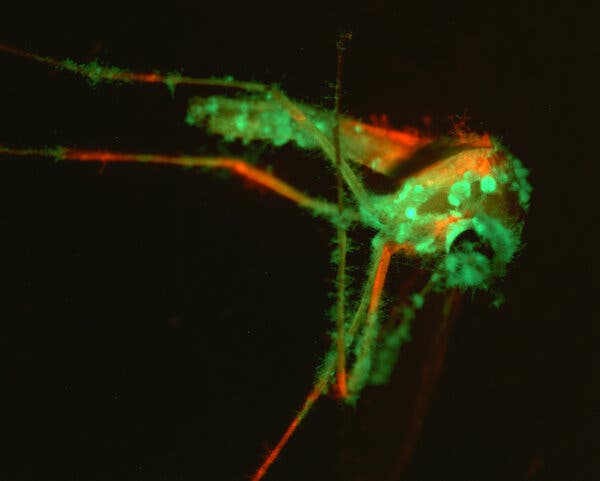
A new form of mosquito control has emerged, potentially revolutionizing efforts to combat these deadly pests. Researchers have developed a genetically engineered version of the fungus Metarhizium, which can produce a sweet-smelling substance that attracts mosquitoes. This innovative approach could offer an affordable and environmentally friendly alternative to traditional chemical methods.
Published in the journal Nature Microbiology, the study details how this engineered fungus lured mosquitoes into traps, resulting in a remarkable kill rate of between 90 percent and 100 percent in laboratory experiments. The scientists believe this method could significantly reduce mosquito populations, which are responsible for the spread of severe diseases such as malaria and dengue.
According to Noah Rose, a biologist specializing in mosquito-borne disease transmission at the University of California San Diego, this research exemplifies a fusion of classic biological control strategies with modern genetic technology. “This work is cool in that it puts together a classic biological control idea with a more modern high-tech approach,” he stated. Rose was not involved in the study but recognized its potential impact.
Mosquitoes are considered one of the most dangerous creatures on the planet, contributing to the infection of up to 700 million people annually and causing approximately 1 million deaths each year. Public health initiatives have relied on fumigation and pesticide-treated bed nets to manage mosquito populations. However, many mosquito species have developed resistance to these chemical interventions, necessitating the search for alternative solutions.
Emerging strategies are now leveraging biological methods to combat these resilient pests. Techniques include the introduction of Wolbachia bacteria to inhibit disease transmission and sterilization through radiation. The latest findings on the Metarhizium fungus add another tool to this growing arsenal.
This innovative research represents a significant step forward in the ongoing battle against mosquitoes. By harnessing the power of genetic engineering, scientists are exploring new avenues to protect public health and reduce the burden of mosquito-borne diseases. As the effectiveness of this fungus is validated through further studies, it may soon play a crucial role in global mosquito control efforts.

Fort Worth Hosts Exciting Hometown Half Marathon and 5K/10K Events

Navy Launches Five New Acquisition Executives to Streamline Processes

Utah Mother Kouri Richins Accused of Poisoning Husband for Money

Oil Prices Surge, U.S. Stocks Show Unexpected Resilience

Cyberpunk 2077 Set for PS5 Pro Performance Update Soon

Home Assistant Tool Enhances Server Health with Global Score

Oregon Ducks Unveil Nature-Inspired Nike Air Max 95 Sneakers

Trump Administration’s Legal Tactics Intensify at the Border

Sandia Scientists Recognized as National Academy of Inventors Fellows

Libraries Challenge Rising E-Book Costs Amid Growing Demand

Tyreek Hill Responds to Tua Tagovailoa’s Comments on Team Dynamics

San Francisco Hosts Unique Contest to Identify “Performative Males”

Liverpool Secures Agreement to Sign Young Striker Will Wright

Astronomers Unveil Insights from β Pictoris b Using GRAVITY

Save Your Split Tomatoes: Expert Tips for Gardeners

University of Hawaiʻi Joins $25M AI Initiative to Monitor Disasters

Elon Musk Sculpture Travels From Utah to Yosemite National Park

Princess Beatrice’s Daughter Athena Joins Siblings at London Parade
-
 Lifestyle9 months ago
Libraries Challenge Rising E-Book Costs Amid Growing Demand
-
 Sports9 months ago
Tyreek Hill Responds to Tua Tagovailoa’s Comments on Team Dynamics
-
 Science8 months ago
San Francisco Hosts Unique Contest to Identify “Performative Males”
-
 Sports9 months ago
Liverpool Secures Agreement to Sign Young Striker Will Wright
-
 Science7 months ago
Astronomers Unveil Insights from β Pictoris b Using GRAVITY
-
 Lifestyle9 months ago
Save Your Split Tomatoes: Expert Tips for Gardeners
-
Science6 months ago
University of Hawaiʻi Joins $25M AI Initiative to Monitor Disasters
-
 Sports9 months ago
Elon Musk Sculpture Travels From Utah to Yosemite National Park
-
 Lifestyle9 months ago
Princess Beatrice’s Daughter Athena Joins Siblings at London Parade
-

 Science9 months ago
California Develops New Method to Monitor Toxic Algal Blooms
-

 Sports9 months ago
Bubba Wallace Makes History with Brickyard 400 Victory
-

 World9 months ago
Winter Storms Lash New South Wales with Snow, Flood Risks