
Politics
Navigating Friendships: Balancing Support with Personal Joy

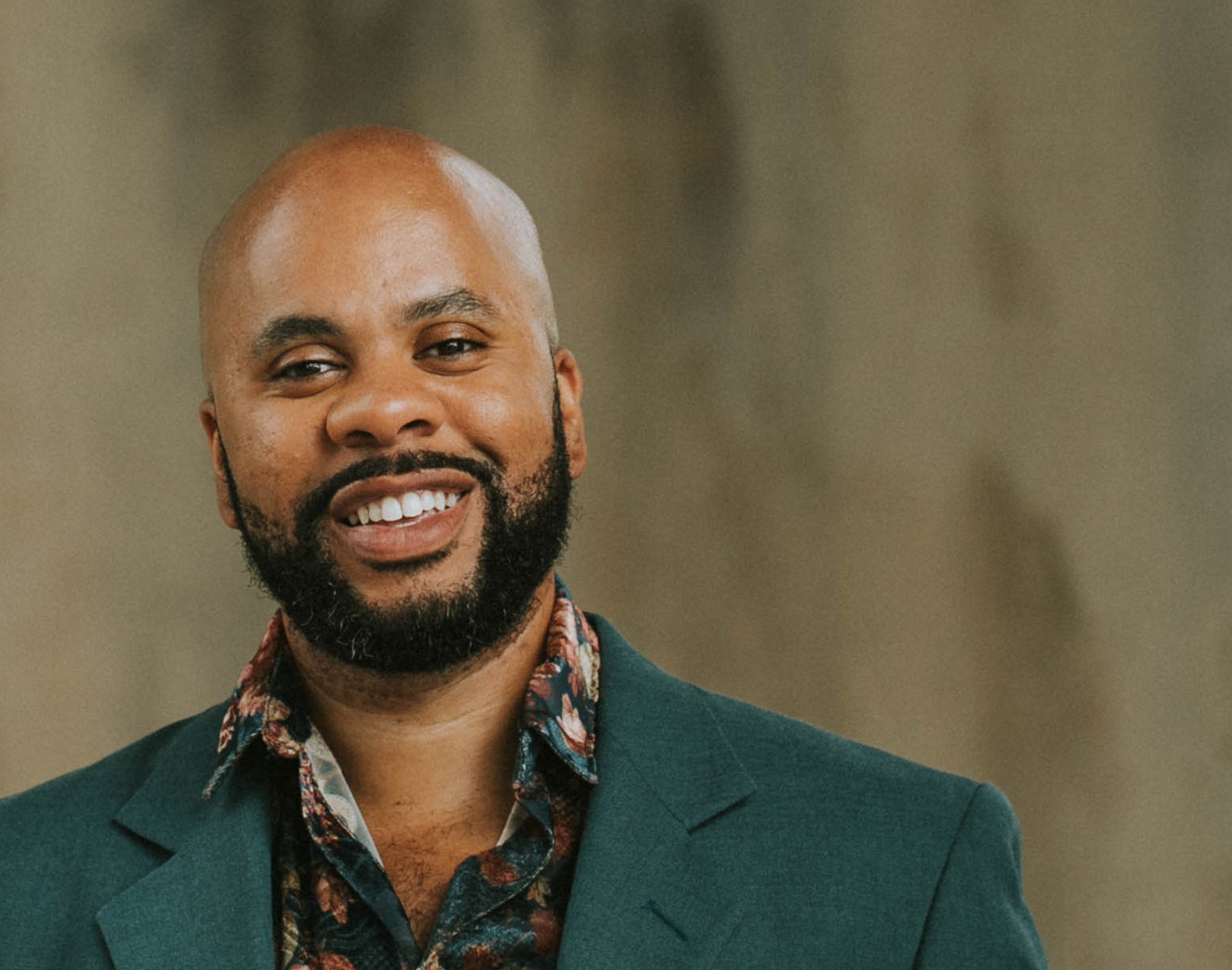
The complexities of friendship often test personal boundaries, especially when emotional ties and social obligations intertwine. In two recent inquiries addressed by renowned advice columnist Eric Thomas, individuals grapple with the challenges of maintaining supportive relationships while navigating personal preferences and past grievances.
Revisiting Past Relationships
One letter details a long-standing relationship between a couple and their son’s former girlfriend, who had become an integral part of their lives over the past 14 years. Initially, the woman was cherished by the parents, who viewed her as a potential daughter-in-law. Their connection persisted even after she and their son broke up due to her infidelity. Despite this tumultuous history, she continued to visit the family and attend significant events, maintaining a close bond.
However, tension arose when their son became engaged to another woman. He expressed vehement disapproval of his parents’ ongoing friendship with his former girlfriend. This has left the couple feeling conflicted about whether to sever ties with someone who had become like family.
Thomas suggests that the parents engage in an open and honest conversation with their son to understand his feelings and the underlying issues that led to his outburst. He emphasizes the importance of acknowledging past hurt while also clarifying boundaries moving forward. The situation highlights the delicate balance between supporting a friend in need and respecting one’s own family dynamics.
Supporting Friends While Upholding Personal Preferences
In another letter, a friend struggles with how to respond to a close companion who has joined a drum troupe. The troupe performs at various events throughout the city, and while the friend is excited and frequently invites her circle to attend, the letter writer and others are less enthusiastic about the performances.
The writer expresses guilt for not wanting to attend the shows, particularly because the friend has supported her storytelling events in the past. Thomas advises against addressing the issue collectively, as it may hurt the friend to hear that her close companions do not wish to join her at performances. Instead, he recommends that individuals reflect on their expectations of friendship and support.
Thomas encourages the letter writer to consider whether her attendance is meant to enjoy the performance or to support her friend personally. He reassures her that it is acceptable to decline invitations without feeling obligated, as true friendships often thrive in diverse ways. If the topic arises, he suggests expressing happiness for her friend’s pursuits while gently indicating that attending the shows does not resonate with her.
These letters illustrate the often intricate dynamics of friendships, where emotional histories and personal preferences must be managed with care. Whether navigating family ties or supporting friends in their creative endeavors, open communication and mutual respect serve as essential tools for maintaining healthy relationships.

Fort Worth Hosts Exciting Hometown Half Marathon and 5K/10K Events

Navy Launches Five New Acquisition Executives to Streamline Processes

Utah Mother Kouri Richins Accused of Poisoning Husband for Money

Oil Prices Surge, U.S. Stocks Show Unexpected Resilience

Cyberpunk 2077 Set for PS5 Pro Performance Update Soon

Home Assistant Tool Enhances Server Health with Global Score

Oregon Ducks Unveil Nature-Inspired Nike Air Max 95 Sneakers

Trump Administration’s Legal Tactics Intensify at the Border

Sandia Scientists Recognized as National Academy of Inventors Fellows

Libraries Challenge Rising E-Book Costs Amid Growing Demand

Astronomers Unveil Insights from β Pictoris b Using GRAVITY

University of Hawaiʻi Joins $25M AI Initiative to Monitor Disasters

Tyreek Hill Responds to Tua Tagovailoa’s Comments on Team Dynamics

San Francisco Hosts Unique Contest to Identify “Performative Males”

Liverpool Secures Agreement to Sign Young Striker Will Wright

Save Your Split Tomatoes: Expert Tips for Gardeners

Elon Musk Sculpture Travels From Utah to Yosemite National Park

Bubba Wallace Makes History with Brickyard 400 Victory
-
 Lifestyle10 months ago
Libraries Challenge Rising E-Book Costs Amid Growing Demand
-
 Science8 months ago
Astronomers Unveil Insights from β Pictoris b Using GRAVITY
-
Science7 months ago
University of Hawaiʻi Joins $25M AI Initiative to Monitor Disasters
-
 Sports10 months ago
Tyreek Hill Responds to Tua Tagovailoa’s Comments on Team Dynamics
-
 Science9 months ago
San Francisco Hosts Unique Contest to Identify “Performative Males”
-
 Sports10 months ago
Liverpool Secures Agreement to Sign Young Striker Will Wright
-
 Lifestyle10 months ago
Save Your Split Tomatoes: Expert Tips for Gardeners
-
 Sports10 months ago
Elon Musk Sculpture Travels From Utah to Yosemite National Park
-
 Sports10 months ago
Bubba Wallace Makes History with Brickyard 400 Victory
-

 Science10 months ago
California Develops New Method to Monitor Toxic Algal Blooms
-

 Lifestyle10 months ago
Princess Beatrice’s Daughter Athena Joins Siblings at London Parade
-
 Sports10 months ago
Kobey’s Swap Meet Marks 45 Years of Community and Commerce