
Politics
Dracut Faces Challenges with Unaccepted Streets, Public Works Director Reports

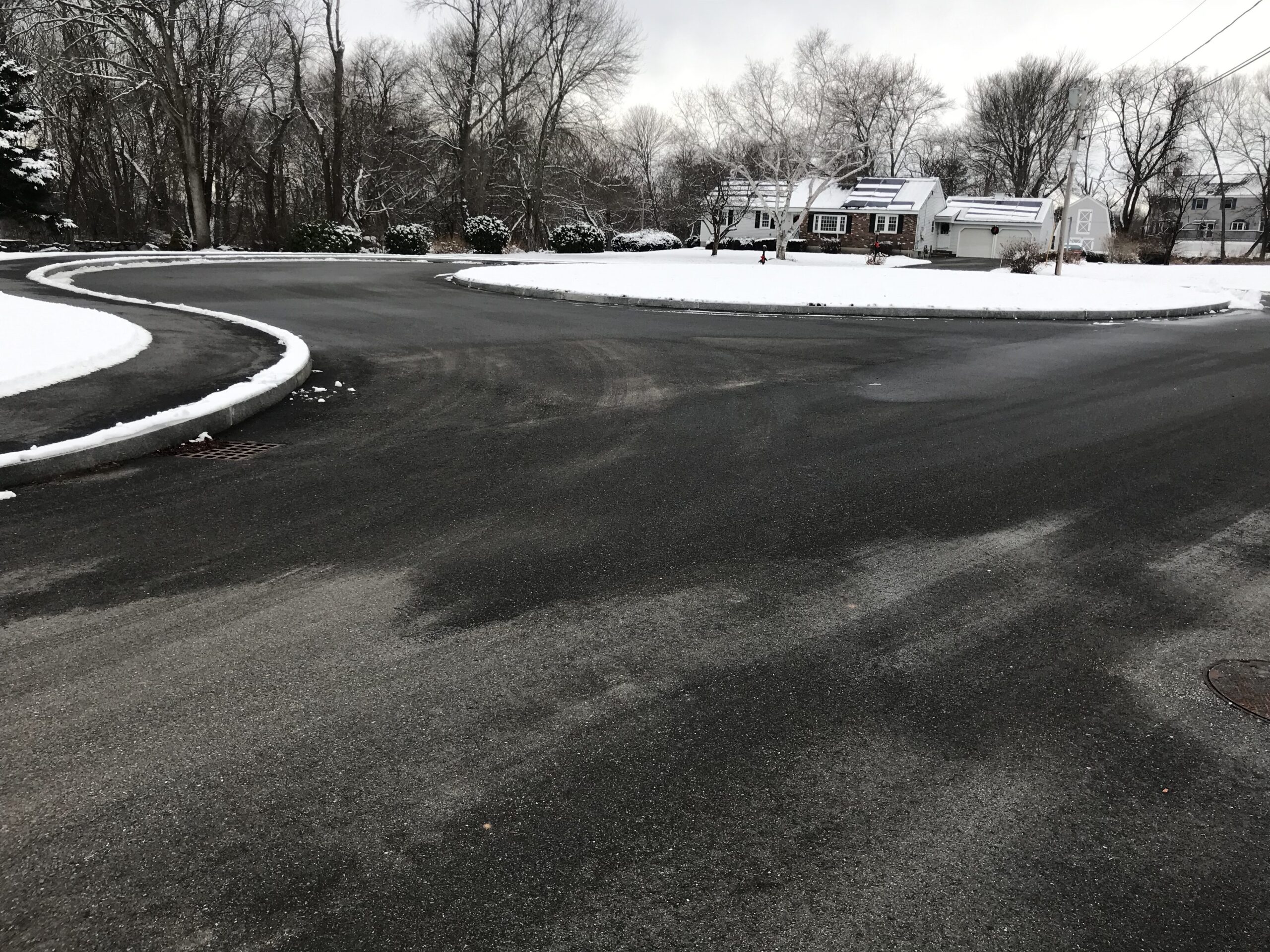
Residents of Dracut are confronting significant issues related to the town’s unaccepted streets, as outlined by Ed Patenaude, the director of the Dracut Department of Public Works, during a recent Board of Selectmen meeting. Patenaude emphasized the difficulty of informing taxpayers that their concerns cannot be addressed due to the status of their streets, which number approximately 140 in total.
During the December meeting, Patenaude addressed two interconnected concerns: the challenges posed by unaccepted streets and the ongoing selection process for public road repairs. Funding for all road repair initiatives in Dracut primarily comes from the state’s Chapter 90 reimbursements, which may be jeopardized by the town’s noncompliance with the MBTA Communities Act. Chapter 90 is designed to provide municipalities with essential funds for capital improvements on local public roads, according to state resources.
Many residents are unaware they reside on unaccepted streets until they encounter issues. Streets typically remain unaccepted due to administrative oversights following construction projects. For instance, a developer may receive a bond refund before fulfilling all necessary requirements, leaving the streets incomplete. A resident voiced his frustration during a 2018 Town Meeting, stating his street had become an embarrassment, prompting questions from visitors about his tax payments.
In response to these issues, the Department of Public Works commissioned a consultant to create a comprehensive inventory of both accepted and unaccepted streets, along with their conditions. The last inventory was published in 2019, and an updated version is expected in 2026. Following this, the DPW plans to implement a five-year road repair strategy for Dracut’s 147 miles of unaccepted streets.
Patenaude noted a target of accepting five to seven streets annually. “There’s no way we could do 140 all at once,” he remarked. The DPW ranks each street from Level 1, indicating the best condition, to Level 5, which signifies the need for major reconstruction. Road repair efforts typically focus on those in better condition to prevent further degradation, while Level 5 streets require substantial work.
Selectman Tony Archinski highlighted Tally Ho Drive as a prime example of an unaccepted street necessitating significant repairs. Resurfacing for this road was financed through federal American Rescue Plan Act funds, which were crucial for enabling any work to proceed. Using Chapter 90 funds for this project would have hindered other necessary repairs.
In a positive development, the DPW announced that an additional 10 streets had recently been accepted, which will enhance the town’s funding from the state. Patenaude indicated that some unaccepted streets are particularly small and old, presenting challenges for bringing them up to current standards. The DPW is actively collaborating with state authorities to address these complexities and improve the overall condition of Dracut’s roadways.

Fort Worth Hosts Exciting Hometown Half Marathon and 5K/10K Events

Navy Launches Five New Acquisition Executives to Streamline Processes

Utah Mother Kouri Richins Accused of Poisoning Husband for Money

Oil Prices Surge, U.S. Stocks Show Unexpected Resilience

Cyberpunk 2077 Set for PS5 Pro Performance Update Soon

Home Assistant Tool Enhances Server Health with Global Score

Oregon Ducks Unveil Nature-Inspired Nike Air Max 95 Sneakers

Trump Administration’s Legal Tactics Intensify at the Border

Sandia Scientists Recognized as National Academy of Inventors Fellows

Libraries Challenge Rising E-Book Costs Amid Growing Demand

Astronomers Unveil Insights from β Pictoris b Using GRAVITY

University of Hawaiʻi Joins $25M AI Initiative to Monitor Disasters

Tyreek Hill Responds to Tua Tagovailoa’s Comments on Team Dynamics

San Francisco Hosts Unique Contest to Identify “Performative Males”

Liverpool Secures Agreement to Sign Young Striker Will Wright

Save Your Split Tomatoes: Expert Tips for Gardeners

Elon Musk Sculpture Travels From Utah to Yosemite National Park

Bubba Wallace Makes History with Brickyard 400 Victory
-
 Lifestyle10 months ago
Libraries Challenge Rising E-Book Costs Amid Growing Demand
-
 Science8 months ago
Astronomers Unveil Insights from β Pictoris b Using GRAVITY
-
Science7 months ago
University of Hawaiʻi Joins $25M AI Initiative to Monitor Disasters
-
 Sports10 months ago
Tyreek Hill Responds to Tua Tagovailoa’s Comments on Team Dynamics
-
 Science9 months ago
San Francisco Hosts Unique Contest to Identify “Performative Males”
-
 Sports10 months ago
Liverpool Secures Agreement to Sign Young Striker Will Wright
-
 Lifestyle10 months ago
Save Your Split Tomatoes: Expert Tips for Gardeners
-
 Sports10 months ago
Elon Musk Sculpture Travels From Utah to Yosemite National Park
-
 Sports10 months ago
Bubba Wallace Makes History with Brickyard 400 Victory
-

 Science10 months ago
California Develops New Method to Monitor Toxic Algal Blooms
-

 Lifestyle10 months ago
Princess Beatrice’s Daughter Athena Joins Siblings at London Parade
-
 Sports10 months ago
Kobey’s Swap Meet Marks 45 Years of Community and Commerce