
Politics
Activist Alaa Abd el-Fattah Faces Backlash Over Offensive Posts

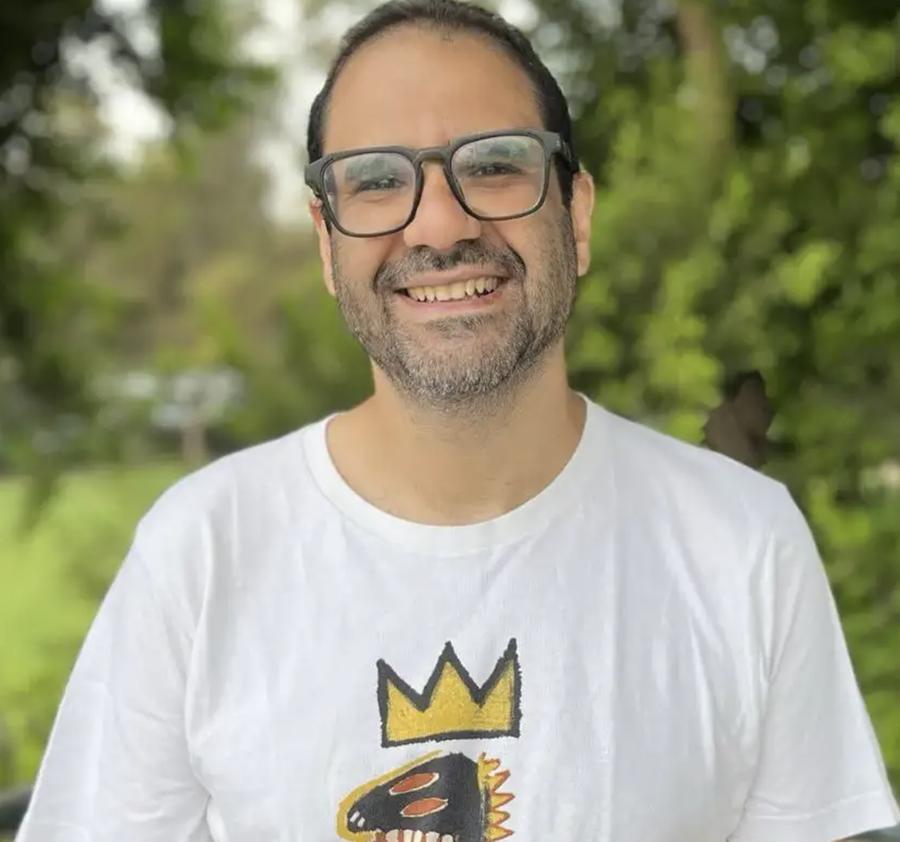
Alaa Abd el-Fattah, a British-Egyptian activist recently released from prison, has sparked controversy following the resurfacing of offensive social media posts. The activist, who previously called for the killing of Zionists, liked a post claiming a “campaign” against him after publicly apologizing for his previous comments.
Abd el-Fattah spent nearly twelve years in detention in Egypt, where he emerged as a key figure in anti-government protests. He acquired British citizenship in 2021 through his mother, who was born in London. His release has been supported by both the Conservative and Labour governments, with Prime Minister Sir Keir Starmer expressing delight at Abd el-Fattah’s return to the UK last week.
Despite the positive reception, a report from The Telegraph highlighted Abd el-Fattah’s history of inflammatory social media statements. One post read, “Killing any colonialists and especially Zionists is heroic; we need to kill more of them.” In another, he identified himself as a “racist” and stated, “I don’t like white people.” Following the backlash, Abd el-Fattah issued a “fulsome apology,” acknowledging that his tweets were shocking and hurtful.
He explained, “They were mostly expressions of a young man’s anger and frustrations in a time of regional crises, and I particularly regret some that were written as part of online insult battles.” Despite his apology, Abd el-Fattah continued to engage with content that includes anti-Zionist rhetoric, prompting criticism from various political figures.
Shadow Justice Secretary Robert Jenrick condemned Abd el-Fattah, calling on the government to “get this disgusting man out of our country now.” Nigel Farage, leader of Reform UK, pledged that if his party were to win the next election, Abd el-Fattah would face deportation, even if it required changes to legislation to revoke his citizenship.
In contrast, Labour’s Dame Emily Thornberry, chair of the Foreign Affairs Select Committee, indicated that attempts to deport Abd el-Fattah would likely face legal challenges. She stated there is “not enough evidence” to categorize him as a “threat to national security,” which is necessary to strip citizenship, similar to the case of former Islamic State member Shamima Begum.
Foreign Secretary Yvette Cooper has launched a review into the oversight that allowed Abd el-Fattah’s social media history to go unchecked prior to his return. She acknowledged that her earlier praise for his release added to the distress experienced by Jewish communities in the UK. Cooper noted, “It is clear that this has been an unacceptable failure and that long-standing procedures and due diligence arrangements have been completely inadequate for this situation.”
As the situation develops, the implications of Abd el-Fattah’s comments and the government’s response will likely continue to generate significant public and political discourse.

Fort Worth Hosts Exciting Hometown Half Marathon and 5K/10K Events

Navy Launches Five New Acquisition Executives to Streamline Processes

Utah Mother Kouri Richins Accused of Poisoning Husband for Money

Oil Prices Surge, U.S. Stocks Show Unexpected Resilience

Cyberpunk 2077 Set for PS5 Pro Performance Update Soon

Home Assistant Tool Enhances Server Health with Global Score

Oregon Ducks Unveil Nature-Inspired Nike Air Max 95 Sneakers

Trump Administration’s Legal Tactics Intensify at the Border

Sandia Scientists Recognized as National Academy of Inventors Fellows

Libraries Challenge Rising E-Book Costs Amid Growing Demand

Tyreek Hill Responds to Tua Tagovailoa’s Comments on Team Dynamics

San Francisco Hosts Unique Contest to Identify “Performative Males”

Liverpool Secures Agreement to Sign Young Striker Will Wright

Astronomers Unveil Insights from β Pictoris b Using GRAVITY

University of Hawaiʻi Joins $25M AI Initiative to Monitor Disasters

Save Your Split Tomatoes: Expert Tips for Gardeners

Elon Musk Sculpture Travels From Utah to Yosemite National Park

California Develops New Method to Monitor Toxic Algal Blooms
-
 Lifestyle10 months ago
Libraries Challenge Rising E-Book Costs Amid Growing Demand
-
 Sports9 months ago
Tyreek Hill Responds to Tua Tagovailoa’s Comments on Team Dynamics
-
 Science8 months ago
San Francisco Hosts Unique Contest to Identify “Performative Males”
-
 Sports9 months ago
Liverpool Secures Agreement to Sign Young Striker Will Wright
-
 Science7 months ago
Astronomers Unveil Insights from β Pictoris b Using GRAVITY
-
Science6 months ago
University of Hawaiʻi Joins $25M AI Initiative to Monitor Disasters
-
 Lifestyle9 months ago
Save Your Split Tomatoes: Expert Tips for Gardeners
-
 Sports9 months ago
Elon Musk Sculpture Travels From Utah to Yosemite National Park
-
 Science9 months ago
California Develops New Method to Monitor Toxic Algal Blooms
-
 Lifestyle9 months ago
Princess Beatrice’s Daughter Athena Joins Siblings at London Parade
-

 Sports9 months ago
Bubba Wallace Makes History with Brickyard 400 Victory
-

 World9 months ago
Winter Storms Lash New South Wales with Snow, Flood Risks