
Health
Pediatrician Discusses RSV: Symptoms, Risks, and Preventive Measures

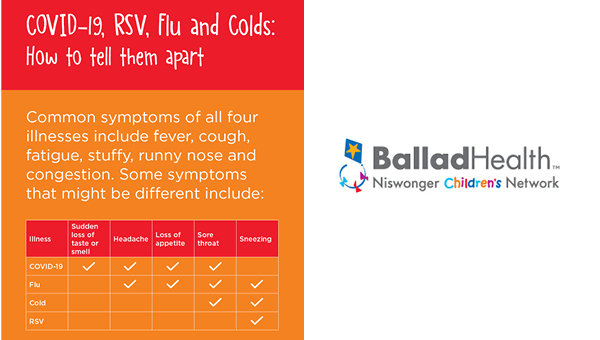
The spread of Respiratory Syncytial Virus (RSV) becomes a pressing concern each winter as parents of young children brace for the potential impact of this common virus. Dr. Seth Brown, a pediatrician, emphasizes the unique conditions of the colder months that facilitate the transmission of RSV. He notes, “The cold, dry air actually helps the virus survive and spread better,” adding that people tend to stay indoors in closer proximity during winter, further increasing the risk of infection.
Understanding RSV: Symptoms and Statistics
RSV primarily affects the lungs and respiratory tract, and it is so prevalent that most children will have been infected by the age of two. Symptoms often include a congested or runny nose, dry cough, low-grade fever, sore throat, sneezing, and headaches. For children under two, more severe symptoms such as difficulty breathing, poor feeding, and increased sleepiness may occur. The typical incubation period for RSV is around five days.
According to data from Ballad Health, approximately five percent of children admitted to their hospitals are diagnosed with RSV. The virus has a mortality rate of about 1 in 100,000 in the United States, underscoring the importance of awareness and preventive measures. Dr. Brown stresses that “any preventable illness, even a single preventable illness, that could result in severe disease or death is one we need to think about, prevent and try to get the word out to the public.”
Testing and Prevention Strategies
The overlap in symptoms with other respiratory illnesses, such as COVID-19 and influenza, makes accurate testing essential. Dr. Brown explains, “There are actually quite a few systems that do overlap. That’s what makes testing in the right circumstances a good tool in the toolkit to figure out what you’re dealing with from a virus detection perspective.”
Preventive measures play a crucial role in combatting RSV. Dr. Brown advocates for proper hand hygiene, recommending washing hands for at least 20 seconds. If soap and water are unavailable, hand sanitizer serves as a viable alternative. Additionally, practicing proper cough hygiene—such as coughing into one’s elbow or using a tissue—can help limit the virus’s spread. Avoiding exposure to tobacco smoke is also crucial, as Dr. Brown highlights that cigarette smoke damages airways and impairs immune responses.
For expectant mothers, an RSV vaccine is available and can be administered between 32-36 weeks gestation. This vaccine is considered one of the most effective ways to protect newborns from the virus. Dr. Brown also encourages individuals who are immunocompromised or over the age of 60 to consult their healthcare providers regarding vaccinations.
As RSV continues to pose risks, particularly during the colder months, understanding its symptoms and preventive measures can empower families and individuals to take proactive steps in safeguarding their health. Education and awareness remain vital in reducing the impact of this common yet potentially dangerous virus.

Fort Worth Hosts Exciting Hometown Half Marathon and 5K/10K Events

Navy Launches Five New Acquisition Executives to Streamline Processes

Utah Mother Kouri Richins Accused of Poisoning Husband for Money

Oil Prices Surge, U.S. Stocks Show Unexpected Resilience

Cyberpunk 2077 Set for PS5 Pro Performance Update Soon

Home Assistant Tool Enhances Server Health with Global Score

Oregon Ducks Unveil Nature-Inspired Nike Air Max 95 Sneakers

Trump Administration’s Legal Tactics Intensify at the Border

Sandia Scientists Recognized as National Academy of Inventors Fellows

Libraries Challenge Rising E-Book Costs Amid Growing Demand

Tyreek Hill Responds to Tua Tagovailoa’s Comments on Team Dynamics

San Francisco Hosts Unique Contest to Identify “Performative Males”

Liverpool Secures Agreement to Sign Young Striker Will Wright

Astronomers Unveil Insights from β Pictoris b Using GRAVITY

University of Hawaiʻi Joins $25M AI Initiative to Monitor Disasters

Save Your Split Tomatoes: Expert Tips for Gardeners

Elon Musk Sculpture Travels From Utah to Yosemite National Park

Princess Beatrice’s Daughter Athena Joins Siblings at London Parade
-
 Lifestyle9 months ago
Libraries Challenge Rising E-Book Costs Amid Growing Demand
-
 Sports9 months ago
Tyreek Hill Responds to Tua Tagovailoa’s Comments on Team Dynamics
-
 Science8 months ago
San Francisco Hosts Unique Contest to Identify “Performative Males”
-
 Sports9 months ago
Liverpool Secures Agreement to Sign Young Striker Will Wright
-
 Science7 months ago
Astronomers Unveil Insights from β Pictoris b Using GRAVITY
-
Science6 months ago
University of Hawaiʻi Joins $25M AI Initiative to Monitor Disasters
-
 Lifestyle9 months ago
Save Your Split Tomatoes: Expert Tips for Gardeners
-
 Sports9 months ago
Elon Musk Sculpture Travels From Utah to Yosemite National Park
-
 Lifestyle9 months ago
Princess Beatrice’s Daughter Athena Joins Siblings at London Parade
-

 Science9 months ago
California Develops New Method to Monitor Toxic Algal Blooms
-

 Sports9 months ago
Bubba Wallace Makes History with Brickyard 400 Victory
-

 World9 months ago
Winter Storms Lash New South Wales with Snow, Flood Risks