
Health
Tacit Therapeutics Secures $19 Million to Tackle Brain Diseases


A new biotechnology startup, Tacit Therapeutics, has officially launched with a funding boost of $19 million aimed at developing innovative treatments for brain diseases. The company, based in California, focuses on advanced RNA editing technologies designed to modify genetic sequences, providing potential solutions for conditions that currently lack effective therapies.
Tacit Therapeutics was founded by a team of experts in genetic engineering and neuroscience. They believe that their proprietary methods can target and alter large sections of RNA, offering a more comprehensive approach than traditional gene editing techniques. This could significantly enhance treatment options for various neurological disorders, including those linked to genetic mutations.
The funding round was led by several prominent investors in the biotechnology sector. According to CEO Dr. Emily Zhang, the financial support will accelerate the company’s research and development efforts. “This investment allows us to advance our unique RNA editing platform and explore its potential in treating debilitating brain diseases,” she stated.
This funding arrives at a critical time when the demand for innovative treatments is at an all-time high. Brain diseases, such as Alzheimer’s and Parkinson’s, affect millions globally and present significant challenges for healthcare systems. Current therapies often provide limited relief, underlining the need for breakthroughs in this field.
Tacit Therapeutics aims to leverage its technology to create therapies that not only address symptoms but also target the underlying genetic causes of these diseases. The company plans to initiate clinical trials in the near future, with hopes of bringing new treatment options to patients by 2025.
As the biotech sector continues to grow, companies like Tacit Therapeutics are positioning themselves at the forefront of genetic medicine. With the right support and research, these startups could play a pivotal role in transforming how brain diseases are treated, offering hope to patients and families affected by these challenging conditions.

Fort Worth Hosts Exciting Hometown Half Marathon and 5K/10K Events

Navy Launches Five New Acquisition Executives to Streamline Processes

Utah Mother Kouri Richins Accused of Poisoning Husband for Money

Oil Prices Surge, U.S. Stocks Show Unexpected Resilience

Cyberpunk 2077 Set for PS5 Pro Performance Update Soon

Home Assistant Tool Enhances Server Health with Global Score

Oregon Ducks Unveil Nature-Inspired Nike Air Max 95 Sneakers

Trump Administration’s Legal Tactics Intensify at the Border

Sandia Scientists Recognized as National Academy of Inventors Fellows

Libraries Challenge Rising E-Book Costs Amid Growing Demand

Tyreek Hill Responds to Tua Tagovailoa’s Comments on Team Dynamics

San Francisco Hosts Unique Contest to Identify “Performative Males”

Liverpool Secures Agreement to Sign Young Striker Will Wright

Astronomers Unveil Insights from β Pictoris b Using GRAVITY

University of Hawaiʻi Joins $25M AI Initiative to Monitor Disasters

Save Your Split Tomatoes: Expert Tips for Gardeners

Elon Musk Sculpture Travels From Utah to Yosemite National Park

California Develops New Method to Monitor Toxic Algal Blooms
-
 Lifestyle10 months ago
Libraries Challenge Rising E-Book Costs Amid Growing Demand
-
 Sports9 months ago
Tyreek Hill Responds to Tua Tagovailoa’s Comments on Team Dynamics
-
 Science8 months ago
San Francisco Hosts Unique Contest to Identify “Performative Males”
-
 Sports9 months ago
Liverpool Secures Agreement to Sign Young Striker Will Wright
-
 Science7 months ago
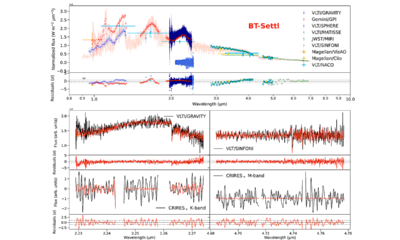
Astronomers Unveil Insights from β Pictoris b Using GRAVITY
-
Science6 months ago
University of Hawaiʻi Joins $25M AI Initiative to Monitor Disasters
-
 Lifestyle9 months ago
Save Your Split Tomatoes: Expert Tips for Gardeners
-
 Sports9 months ago
Elon Musk Sculpture Travels From Utah to Yosemite National Park
-
 Science9 months ago
California Develops New Method to Monitor Toxic Algal Blooms
-

 Lifestyle9 months ago
Princess Beatrice’s Daughter Athena Joins Siblings at London Parade
-

 Sports9 months ago
Bubba Wallace Makes History with Brickyard 400 Victory
-

 World9 months ago
Winter Storms Lash New South Wales with Snow, Flood Risks