
Health
Trump Administration Links Rural Health Grants to Policy Compliance


The Trump administration announced a new framework for awarding rural health care grants, indicating that states must comply with specific policy initiatives to secure funding. The discretionary grants for the fiscal year 2026 will range from $145 million to $281 million, as stated by Mehmet Oz, head of the Centers for Medicare and Medicaid Services (CMS).
Oz explained that the awards, part of a broader $50 billion fund, will be distributed based on an evaluation of each state’s rural population and healthcare infrastructure, which accounts for 50% of the scoring. Additionally, 20% of the evaluation will consider policy actions taken by states, while 30% will focus on proposed initiatives to enhance rural health services.
Funding Criteria and Compliance Risks
The announcement highlights a significant shift in how federal funds are allocated, as states that do not embrace certain health care policies promoted by the administration may face reductions in their grant amounts. While senior administration officials provided insights into the funding criteria, they did not specify which particular policies would influence the compliance assessment.
The CMS has indicated that states will undergo annual re-scoring by the Office of Rural Health Transformation. Oz noted that many rural areas in the United States have lagged behind in healthcare delivery, attributing this to outdated systems that are no longer efficient. “The rural parts of this country have fallen tragically behind in many areas,” he stated, emphasizing the need for modernized healthcare systems.
The timing of this announcement aligns with growing voter concerns regarding healthcare access and costs. As Donald Trump seeks to address these issues, polls indicate rising anxiety among Americans about the economic impact of his policies. Healthcare costs are expected to rise significantly in 2026, particularly as subsidies under the Affordable Care Act are set to expire, leaving millions vulnerable.
Political Context and Implications
The administration’s focus on rural health comes in response to fears that cuts to Medicaid, which amount to approximately $1 trillion, could adversely affect hospitals in these areas. Such reductions could lead to an estimated 11.8 million individuals losing their health insurance over the next decade. These changes risk diminishing patient numbers and revenue for hospitals, particularly in rural regions where many voters form a crucial part of Trump’s base.
The establishment of the $50 billion fund aims to mitigate the potential fallout from Medicaid cuts, as legislators expressed concerns about the implications for rural healthcare facilities. As the administration moves forward, the interconnection between funding and policy compliance may shape the landscape of rural healthcare in the coming years.
In summary, the Trump administration’s approach to rural health grants introduces a new level of scrutiny and policy linkage that could significantly affect healthcare delivery in rural states. The implications of these funding decisions will be closely monitored as states navigate the evolving healthcare landscape.

Fort Worth Hosts Exciting Hometown Half Marathon and 5K/10K Events

Navy Launches Five New Acquisition Executives to Streamline Processes

Utah Mother Kouri Richins Accused of Poisoning Husband for Money

Oil Prices Surge, U.S. Stocks Show Unexpected Resilience

Cyberpunk 2077 Set for PS5 Pro Performance Update Soon

Home Assistant Tool Enhances Server Health with Global Score

Oregon Ducks Unveil Nature-Inspired Nike Air Max 95 Sneakers

Trump Administration’s Legal Tactics Intensify at the Border

Sandia Scientists Recognized as National Academy of Inventors Fellows

Libraries Challenge Rising E-Book Costs Amid Growing Demand

Tyreek Hill Responds to Tua Tagovailoa’s Comments on Team Dynamics

San Francisco Hosts Unique Contest to Identify “Performative Males”

Liverpool Secures Agreement to Sign Young Striker Will Wright

Astronomers Unveil Insights from β Pictoris b Using GRAVITY

University of Hawaiʻi Joins $25M AI Initiative to Monitor Disasters

Save Your Split Tomatoes: Expert Tips for Gardeners

Elon Musk Sculpture Travels From Utah to Yosemite National Park

California Develops New Method to Monitor Toxic Algal Blooms
-
 Lifestyle10 months ago
Libraries Challenge Rising E-Book Costs Amid Growing Demand
-
 Sports9 months ago
Tyreek Hill Responds to Tua Tagovailoa’s Comments on Team Dynamics
-
 Science8 months ago
San Francisco Hosts Unique Contest to Identify “Performative Males”
-
 Sports9 months ago
Liverpool Secures Agreement to Sign Young Striker Will Wright
-
 Science7 months ago
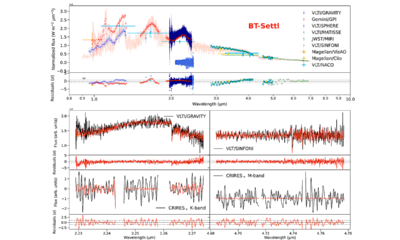
Astronomers Unveil Insights from β Pictoris b Using GRAVITY
-
Science6 months ago
University of Hawaiʻi Joins $25M AI Initiative to Monitor Disasters
-
 Lifestyle9 months ago
Save Your Split Tomatoes: Expert Tips for Gardeners
-
 Sports9 months ago
Elon Musk Sculpture Travels From Utah to Yosemite National Park
-
 Science9 months ago
California Develops New Method to Monitor Toxic Algal Blooms
-

 Lifestyle9 months ago
Princess Beatrice’s Daughter Athena Joins Siblings at London Parade
-

 Sports9 months ago
Bubba Wallace Makes History with Brickyard 400 Victory
-

 World9 months ago
Winter Storms Lash New South Wales with Snow, Flood Risks