
World
Survivors of Philippine Typhoon File Suit Against Shell Over Climate Impact

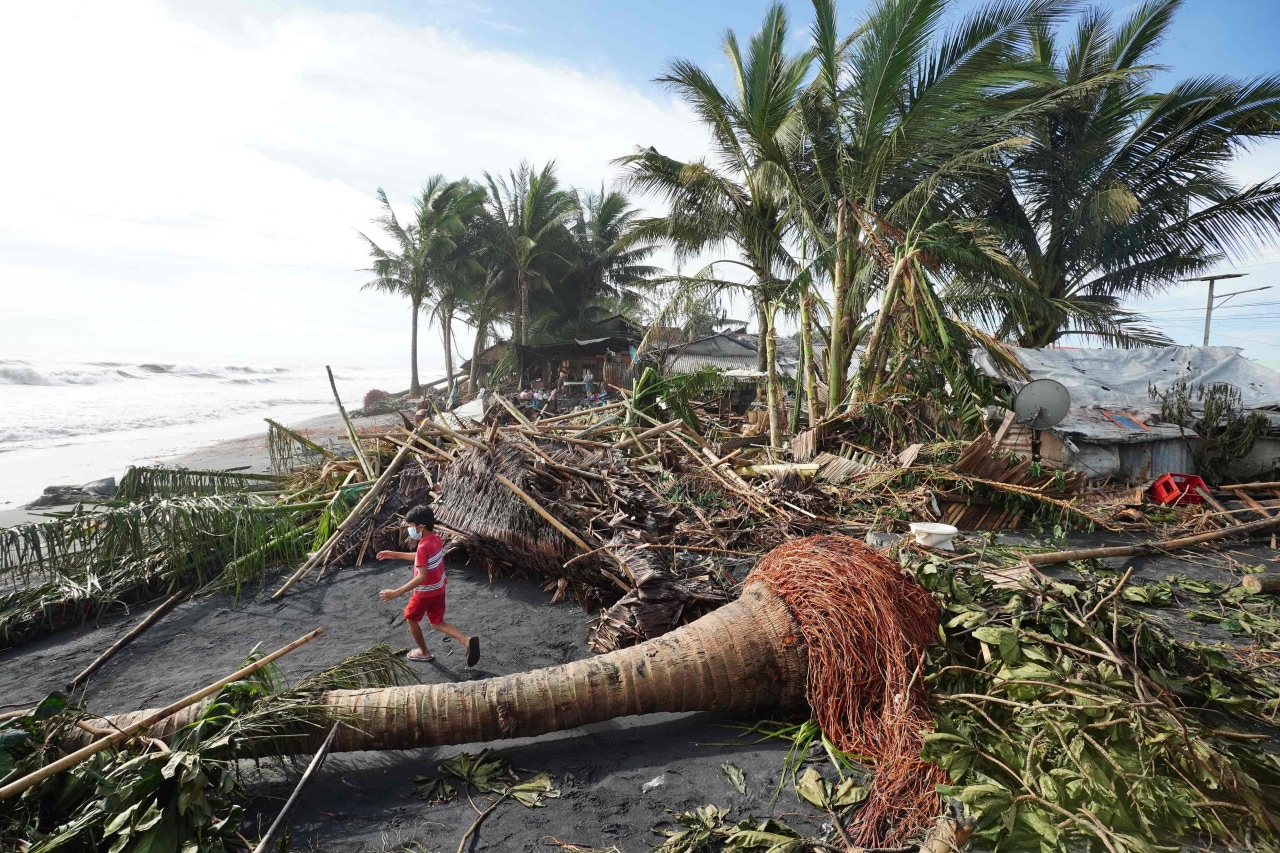
Survivors of the devastating Typhoon Odette in the Philippines are taking legal action against oil giant Shell, alleging that the company has long been aware of the role fossil fuels play in climate change. The lawsuit, filed in June 2023, claims that Shell contributed to the environmental crisis that exacerbated the impact of the typhoon, which caused significant destruction in the region.
Typhoon Odette, which struck in December 2021, resulted in the loss of over 400 lives and displaced tens of thousands more. The survivors contend that Shell’s actions have intensified climate change, making extreme weather events like Typhoon Odette more frequent and severe. The legal representatives for the claimants argue that the company has a responsibility to address its contributions to global warming.
According to the claimants, Shell has been aware for decades of the impact of its fossil fuel operations on the climate. They assert that the company’s activities have led to rising sea levels and increased storm intensity, which are directly linked to the damage caused by the typhoon. The lawsuit seeks accountability and demands that Shell take meaningful steps to mitigate its environmental impact.
Shell has publicly disputed these claims, asserting that the lawsuit does not accurately reflect the complexities of climate change. The company emphasizes its commitment to reducing emissions and transitioning to renewable energy sources. In a statement, Shell noted that it is actively investing in sustainable energy solutions and aims to achieve net-zero emissions by 2050.
The legal action in the Philippines is part of a broader trend where communities affected by climate change are holding major fossil fuel companies accountable. Similar cases have emerged globally, with plaintiffs arguing that these corporations have prioritized profits over environmental stewardship. The outcome of this lawsuit could have significant implications for the future of corporate responsibility in the context of climate change.
As the world faces increasing climate-related challenges, the case against Shell highlights the urgent need for companies to reassess their environmental impact. The survivors of Typhoon Odette are not only seeking justice for their losses but also advocating for broader changes in how energy companies operate.
The Philippine government’s response to the lawsuit has been cautious. Officials have acknowledged the need for sustainable practices but have also emphasized the importance of economic growth driven by energy production. Balancing environmental concerns with the demands of development remains a complex issue for policymakers.
The implications of this lawsuit extend beyond the Philippines. It underscores the growing recognition among communities worldwide that they can challenge major corporations on environmental grounds. As climate change continues to threaten lives and livelihoods, the push for corporate accountability is likely to intensify.
In summary, the legal action taken by Typhoon Odette survivors against Shell raises critical questions about corporate responsibility in combating climate change. As the world witnesses the devastating effects of extreme weather, this case could serve as a pivotal moment in the fight for environmental justice.

E-Scooters Linked to Increased Crime Rates in Chicago Areas

Zelenskyy Addresses US-Led Peace Talks Over Russian Demands

Scientists Uncover New Tiny Frog Species in Brazil’s Cloud Forests

Fans Rush to Apply for World Cup Tickets as Sales Open

Survivors of Philippine Typhoon File Suit Against Shell Over Climate Impact

Zelenskyy Discusses Territorial Demands in U.S.-Led Peace Talks

Noa Bravo, who writes for people who let places unfold instead of trying to frame them

Voters Express Discontent with Trump’s Economic Policies Ahead of 2026 Elections

Discover 10 Must-Watch TV Shows Before 2026 Arrives

Libraries Challenge Rising E-Book Costs Amid Growing Demand

Tyreek Hill Responds to Tua Tagovailoa’s Comments on Team Dynamics

Liverpool Secures Agreement to Sign Young Striker Will Wright

Save Your Split Tomatoes: Expert Tips for Gardeners

Princess Beatrice’s Daughter Athena Joins Siblings at London Parade

San Francisco Hosts Unique Contest to Identify “Performative Males”

Winter Storms Lash New South Wales with Snow, Flood Risks

Trump Administration Moves to Repeal Key Climate Regulation

SoFi Technologies Shares Slip 2% Following Insider Stock Sale
-
 Lifestyle5 months ago
Libraries Challenge Rising E-Book Costs Amid Growing Demand
-
 Sports4 months ago
Tyreek Hill Responds to Tua Tagovailoa’s Comments on Team Dynamics
-
 Sports5 months ago
Liverpool Secures Agreement to Sign Young Striker Will Wright
-
 Lifestyle5 months ago
Save Your Split Tomatoes: Expert Tips for Gardeners
-
 Lifestyle5 months ago
Princess Beatrice’s Daughter Athena Joins Siblings at London Parade
-
 Science4 months ago
San Francisco Hosts Unique Contest to Identify “Performative Males”
-
 World4 months ago
Winter Storms Lash New South Wales with Snow, Flood Risks
-
 Science5 months ago
Trump Administration Moves to Repeal Key Climate Regulation
-
 Business5 months ago
SoFi Technologies Shares Slip 2% Following Insider Stock Sale
-

 Science5 months ago
New Tool Reveals Link Between Horse Coat Condition and Parasites
-

 Sports5 months ago
Elon Musk Sculpture Travels From Utah to Yosemite National Park
-

 Science5 months ago
New Study Confirms Humans Transported Stonehenge Bluestones