
World
Security Assessment Uncovers Blueprint for Louvre Heist Tactics

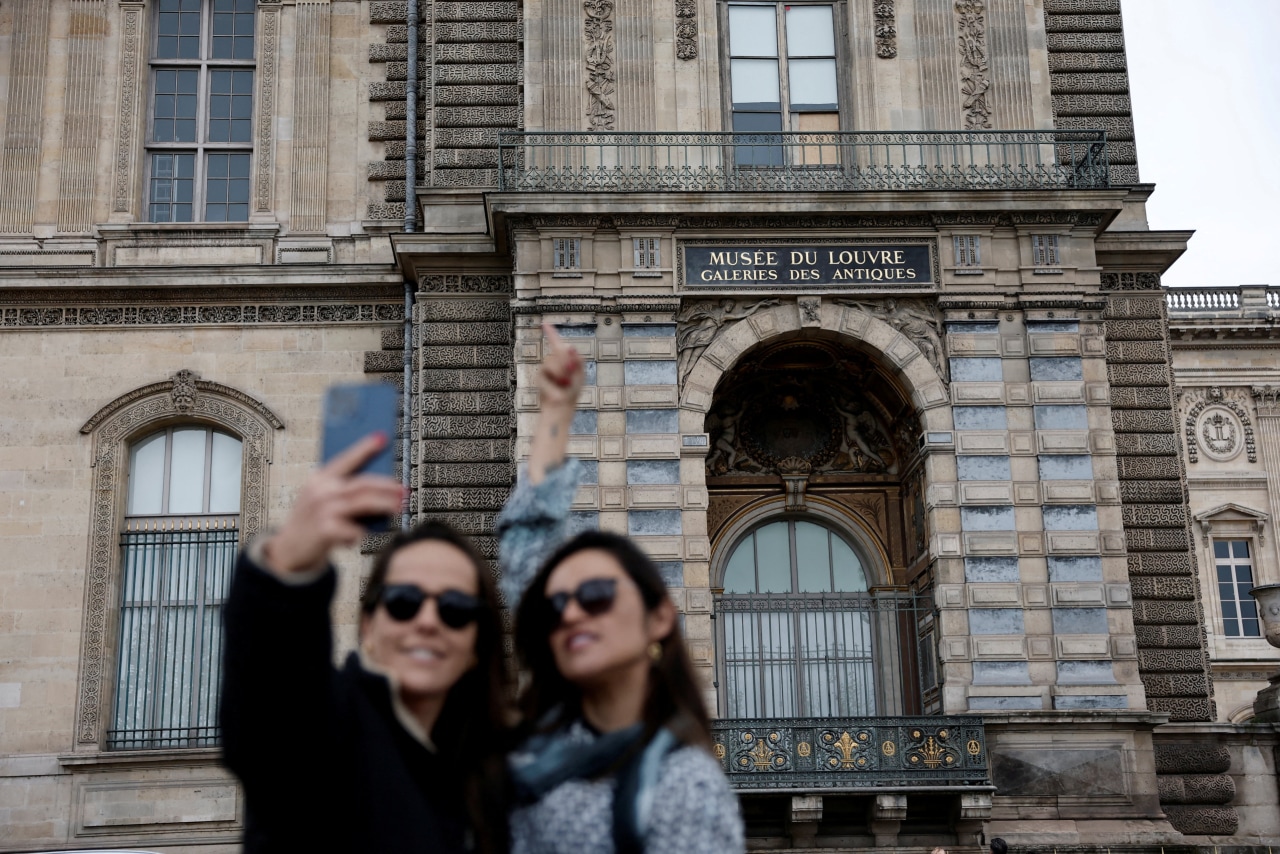
A recently uncovered security assessment from the Louvre Museum reveals a detailed plan for a robbery that occurred in 2010. The document, which lay dormant in the museum’s archives, outlines how a moving truck could gain access to the museum’s second floor, raising significant questions about the adequacy of security measures in place at that time.
This security assessment, conducted years before the heist, provided an unsettling glimpse into vulnerabilities that were not addressed. It included specific instructions on how to maneuver a vehicle into the museum, potentially allowing thieves to execute a well-coordinated theft of priceless artworks.
The Louvre, located in Paris, is one of the world’s most visited museums, housing an extensive collection of art and artifacts. The 2010 robbery involved the theft of several valuable pieces, valued at approximately €1.5 million. French authorities have since pointed to the importance of revisiting security protocols, especially in light of this newly revealed information.
Implications for Museum Security
The existence of such a detailed plan raises critical concerns regarding the Louvre’s security infrastructure. Art theft has been a persistent issue for museums globally, and this incident underscores the need for continuous evaluation of security strategies. Experts suggest that institutions must remain vigilant and proactive in safeguarding their collections.
In the wake of the 2010 robbery, the Louvre implemented various security measures, including increased surveillance and restricted access to sensitive areas. However, the newly discovered assessment illustrates that even these steps may not have been sufficient. As museums increasingly rely on technology to enhance security, this incident serves as a reminder of the importance of comprehensive risk assessments.
The Louvre Museum has yet to make a public statement regarding the implications of this discovery. Nevertheless, the revelation has sparked discussions within the cultural sector about the need for transparency and collaboration among institutions to share best practices in security management.
Future of Art Security
With the art market continuing to grow, the stakes for museums and galleries are higher than ever. The theft of artworks not only results in financial losses but also impacts cultural heritage. The Louvre’s experience highlights the necessity for museums worldwide to adopt a more robust approach to theft prevention.
As institutions aim to protect their collections, the focus should not solely be on technology but also on the training of staff and the establishment of clear protocols for emergency situations. The lessons learned from the Louvre’s past may serve as a blueprint for enhancing security measures at other cultural institutions.
In conclusion, the recent uncovering of the security assessment provides a critical opportunity for museums to reflect on their security practices. By addressing vulnerabilities and fostering a culture of vigilance, institutions can better protect their invaluable collections and the cultural heritage they represent. The implications for the Louvre and similar institutions are profound, marking a pivotal moment in the ongoing battle against art theft.

Six Ohio Soccer Players Honored as All-Americans for 2023

Security Assessment Uncovers Blueprint for Louvre Heist Tactics

Bay Area Lawmakers Urge Caution on Paramount’s Warner Bros. Acquisition

Federal Reserve Announces Rate Cut Amid Divergent Opinions

Alanis Morissette’s Cut Cameo Revealed in Ryan Reynolds’ Comedy

Distinguishing Flu from COVID-19: Key Symptoms to Recognize

Giants’ Broadcaster Duane Kuiper Falls Short in Frick Award Bid

Parents Launch Global Movement for Smartphone-Free Childhoods

Elon Musk Reflects on DOGE’s Limited Success and Future Focus

Libraries Challenge Rising E-Book Costs Amid Growing Demand

Tyreek Hill Responds to Tua Tagovailoa’s Comments on Team Dynamics

Liverpool Secures Agreement to Sign Young Striker Will Wright

Save Your Split Tomatoes: Expert Tips for Gardeners

Princess Beatrice’s Daughter Athena Joins Siblings at London Parade

San Francisco Hosts Unique Contest to Identify “Performative Males”

Winter Storms Lash New South Wales with Snow, Flood Risks

Trump Administration Moves to Repeal Key Climate Regulation

SoFi Technologies Shares Slip 2% Following Insider Stock Sale
-
 Lifestyle5 months ago
Libraries Challenge Rising E-Book Costs Amid Growing Demand
-
 Sports4 months ago
Tyreek Hill Responds to Tua Tagovailoa’s Comments on Team Dynamics
-
 Sports4 months ago
Liverpool Secures Agreement to Sign Young Striker Will Wright
-
 Lifestyle4 months ago
Save Your Split Tomatoes: Expert Tips for Gardeners
-
 Lifestyle4 months ago
Princess Beatrice’s Daughter Athena Joins Siblings at London Parade
-
 Science4 months ago
San Francisco Hosts Unique Contest to Identify “Performative Males”
-
 World4 months ago
Winter Storms Lash New South Wales with Snow, Flood Risks
-
 Science5 months ago
Trump Administration Moves to Repeal Key Climate Regulation
-
 Business5 months ago
SoFi Technologies Shares Slip 2% Following Insider Stock Sale
-

 Science5 months ago
New Tool Reveals Link Between Horse Coat Condition and Parasites
-

 Sports5 months ago
Elon Musk Sculpture Travels From Utah to Yosemite National Park
-
 Science5 months ago
New Study Confirms Humans Transported Stonehenge Bluestones