
World
NSW Premier Seeks Powers to Ban Protests Following Terror Attack

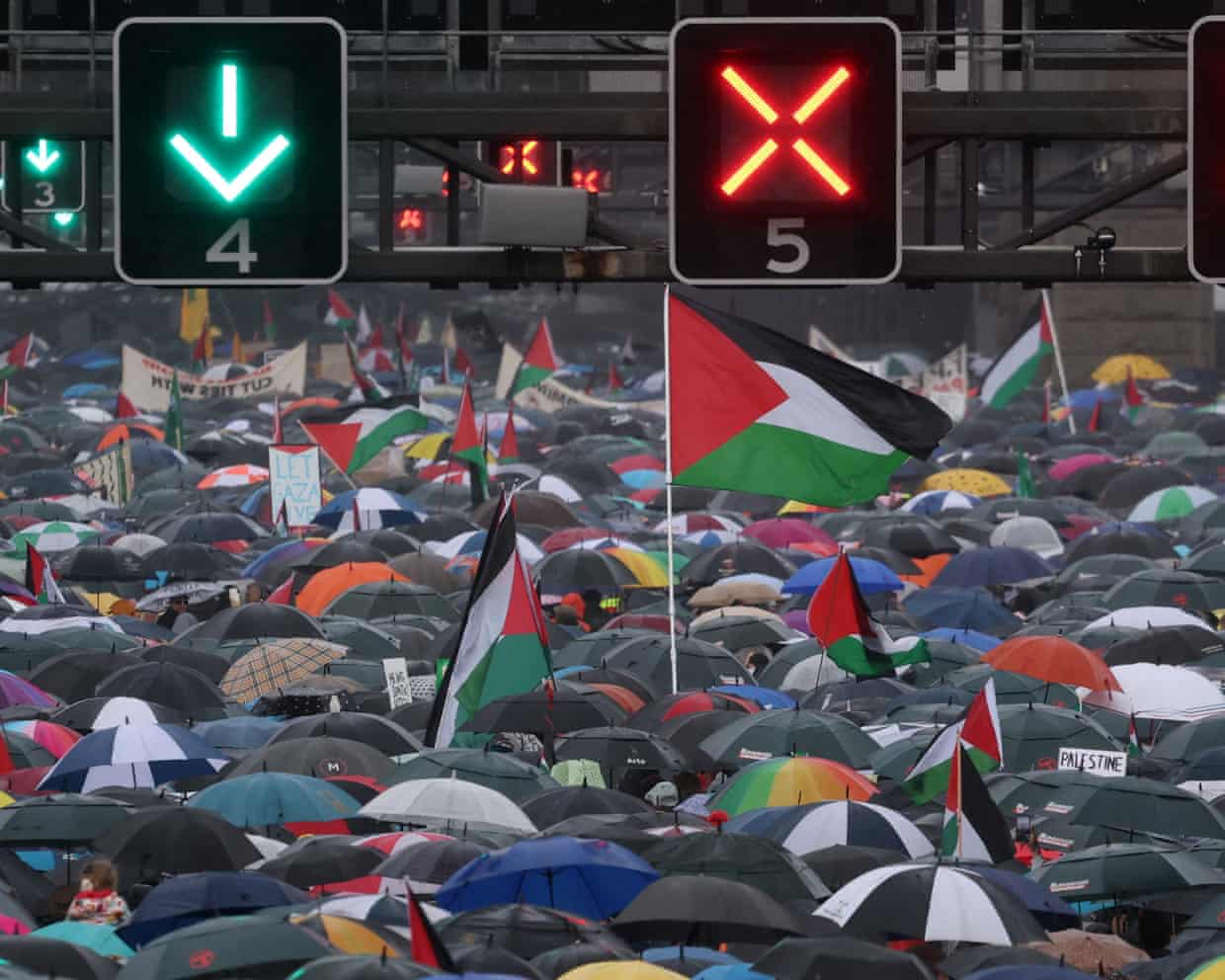
New South Wales Premier Chris Minns has announced plans to request parliament grant his government what he describes as “extraordinary powers” to impose a ban on protests for up to three months. His proposal follows a recent terrorist attack in Bondi that resulted in the deaths of 15 individuals. Minns has drawn a connection between the implications of pro-Palestinian rallies and the tragic events that unfolded over the weekend.
During a press briefing on Friday, Minns stated that under a terrorism designation, police, with the minister’s agreement, would have the authority to declare specific areas where public assemblies would be prohibited. He indicated that this could apply to any location within the state. “No public assemblies in a designated area will be able to be authorised, including by a court,” he emphasized.
Minns described the proposed restrictions as unprecedented in Australia, asserting that they are essential to prevent potential unrest. “When you see people marching and showing violent bloody images, it’s unleashing something in our community that the organisers of the protest can’t contain,” he said. He expressed his concern about the possibility of another mass demonstration similar to the one held in August, which was attended by an estimated 225,000 to 300,000 people protesting the violence in Gaza.
The premier confirmed that the state government would not permit any public demonstrations related to the situation in Gaza, despite the Palestine Action Group indicating that there were no planned protests.
The Bondi terror attack involved gunmen Naveed Akram, 24, and his father, Sajid Akram, 50, who were reportedly inspired by extremist groups. An investigation into Naveed Akram had been ongoing for several years, with authorities previously assessing him for potential links to terrorism.
The proposed anti-protest legislation would fall under a terrorism and other legislation amendment bill, introducing a “public assembly restriction demonstration” or “Pard” power. This would allow police to impose restrictions within 14 days of a terrorism designation if a public assembly posed a risk to community safety.
The premier maintained that the legislative changes are not aimed at any specific group. Still, he expressed clear disapproval of the protests that had taken place, stating, “I opposed it, police opposed it, and I made it clear it wasn’t consistent with community harmony.”
This announcement has sparked significant backlash. Jillian Segal, the federal government’s antisemitism envoy, remarked that the escalation of tensions began with protests on October 9, 2023, at the Sydney Opera House, where demonstrators reportedly waved flags associated with terrorist groups.
Critics have voiced concerns that the proposed restrictions could infringe on civil liberties. Tim Roberts, president of the NSW Council for Civil Liberties, characterized the changes as overly broad and warned that banning protests would not effectively address antisemitism. He stated, “The premier is wrong to disgracefully link years of peaceful protest to such a horrific and unrelated event.”
Further complicating the situation, Max Kaiser, executive officer of the Jewish Council of Australia, questioned why the focus remained on pro-Palestinian protests when there are real sources of antisemitism from the far-right, including neo-Nazi groups.
In response to the growing tensions, Daniel Moohkey, the NSW treasurer, commented that calls for “globalising intifada” amounted to hate speech, highlighting the tragic consequences that have unfolded recently.
Amid these discussions, representatives from the Palestine Action Group defended their position. Josh Lees, a spokesperson for the group, challenged the characterization of their protests as hate speech, asserting that the term “intifada” refers to a movement for justice and liberation, not violence against any group.
As Chris Minns navigates this contentious issue, the balance between public safety and the right to protest remains a pivotal concern for many in New South Wales, reflecting broader tensions in society regarding freedom of expression and community safety.

Christmas Celebration in Prison Helps Mend Father-Daughter Bond

Democrats Face Challenges as Progressives Rise Ahead of 2026 Elections

Earth Faces Hidden Threats from Cosmic Airbursts, Study Reveals

Rams Coach McVay Questions Controversial 2-Point Conversion Call

Frontier Airlines Ceases Operations at Everett After Seven Months

Democrats Face Internal Struggles as 2026 Elections Approach

Dripping Faucets: Essential Winter Tips to Prevent Frozen Pipes

Americafest 2025 Launches in Phoenix Following Charlie Kirk’s Death

NASA Unveils Stunning Image of France for Science Calendar

Libraries Challenge Rising E-Book Costs Amid Growing Demand

Tyreek Hill Responds to Tua Tagovailoa’s Comments on Team Dynamics

Liverpool Secures Agreement to Sign Young Striker Will Wright

Save Your Split Tomatoes: Expert Tips for Gardeners

Princess Beatrice’s Daughter Athena Joins Siblings at London Parade

San Francisco Hosts Unique Contest to Identify “Performative Males”

Winter Storms Lash New South Wales with Snow, Flood Risks

Trump Administration Moves to Repeal Key Climate Regulation

SoFi Technologies Shares Slip 2% Following Insider Stock Sale
-
 Lifestyle5 months ago
Libraries Challenge Rising E-Book Costs Amid Growing Demand
-
 Sports5 months ago
Tyreek Hill Responds to Tua Tagovailoa’s Comments on Team Dynamics
-
 Sports5 months ago
Liverpool Secures Agreement to Sign Young Striker Will Wright
-
 Lifestyle5 months ago
Save Your Split Tomatoes: Expert Tips for Gardeners
-
 Lifestyle5 months ago
Princess Beatrice’s Daughter Athena Joins Siblings at London Parade
-
 Science4 months ago
San Francisco Hosts Unique Contest to Identify “Performative Males”
-
 World5 months ago
Winter Storms Lash New South Wales with Snow, Flood Risks
-
 Science5 months ago
Trump Administration Moves to Repeal Key Climate Regulation
-
 Business5 months ago
SoFi Technologies Shares Slip 2% Following Insider Stock Sale
-

 Science5 months ago
New Tool Reveals Link Between Horse Coat Condition and Parasites
-
 Sports5 months ago
Elon Musk Sculpture Travels From Utah to Yosemite National Park
-
 Science5 months ago
New Study Confirms Humans Transported Stonehenge Bluestones