
World
Mystery of Soviet Students’ Gruesome Deaths in Siberia Unfolds

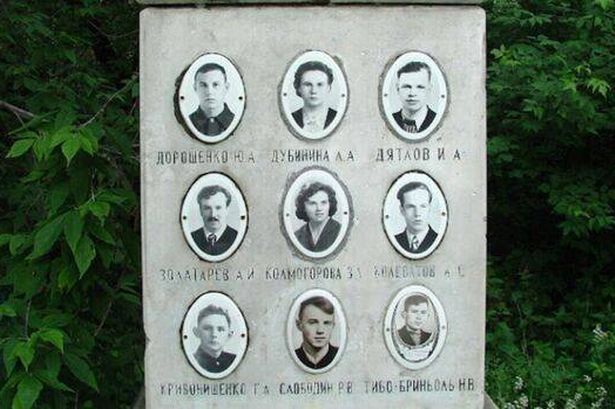
The tragic and mysterious deaths of a group of Soviet students in January 1959 have become a focal point for true-crime enthusiasts and investigators alike. Found in the remote Siberian wilderness, their bodies bore shocking injuries: two were missing their eyes, and another had lost its tongue. Despite various theories surrounding their demise, no definitive explanation has emerged, raising questions about the official narrative provided by Soviet authorities.
Igor Dyatlov, a fifth-year radio engineering student, led a party of ten experienced skiers from the Urals Polytechnic Institute. They embarked on a week-long expedition to the slopes of Mount Ortorten, a location steeped in local folklore; the indigenous Mansi people refer to it as “Don’t Go There.” On January 23, the group traveled by train from Sverdlovsk to a remote village named Vizhay, where they began their journey into the wilderness.
After a brief stop in Vizhay, they continued by truck to a lumber camp known as the 41st settlement. A horse-drawn sleigh then transported their gear for the final 15 miles to the abandoned North-2 mining outpost. At this point, one member, Yuri Yudin, opted to return home, a decision that ultimately saved his life. The remaining members pressed on toward their destination.
Upon reaching the slopes of Kholat Syakhyl, the group set up camp in a depression they carved into the snow. Communication with the students ceased shortly after, and their absence prompted concerned authorities to dispatch a rescue team. On February 27, 1959, searchers discovered the first two bodies near a cedar tree. Former searcher Mikhail Sharavin recalled, “When we got closer we saw two corpses lying there. The hands and the feet were reddish-brown.”
The bodies of Yura Doroshenko and Yuri Krivonischenko were found in only their underwear, with signs of severe trauma; Krivonischenko had even gnawed on part of his own knuckle. The recovery team subsequently located the body of Dyatlov, who was face-down in the snow, clothed but without shoes. Nearby, the remains of Zinaida Kolmogorova were discovered, positioned as though she had made a desperate attempt to claw her way back toward the campsite. A significant bruise on her torso suggested she had endured a violent encounter.
Speculations regarding the cause of these mysterious deaths range from local community involvement to the possibility of a military test gone awry. Despite these claims, the Mansi people have consistently denied any wrongdoing.
A more accepted theory has emerged from the analysis of two Swiss scientists, Alexander Puzrin and Johan Gaume, who propose that the group may have fallen victim to a rare phenomenon known as a “slab avalanche.” They argue that the students’ tent set-up inadvertently triggered the avalanche, which could have been exacerbated by the katabatic wind, leading to a build-up of snow. Puzrin elaborated, “If they hadn’t made a cut in the slope, nothing would have happened.”
This tragic event continues to spark interest and debate, with many hoping that new investigations might finally shed light on the fate of these young adventurers. As the mystery endures, it serves as a reminder of the dangers that lurk in the seemingly serene beauty of the Siberian wilderness.

Tech Blogger Unveils Fleet of Flying Sword Drones in Chengdu

Texas Democrats Navigate Turbulent Political Landscape Post-Ruling

New Study on Moonquakes Raises Concerns for NASA’s Lunar Plans

UFC 323 Highlights: Wrestling Observer Radio Recaps Key Events

Soldiers Claim Control in Benin Ahead of Presidential Election

Microsoft Responds to Feedback, Makes Windows 11 AI Actions Optional

Roivant Sciences Hits 52-Week High; Analysts Adjust Ratings

Robert Eggers’ ‘The Northman’ Thrives on Netflix After Theatrical Struggles

Ensight Skills Center Empowers Coloradans with Vision Loss

Libraries Challenge Rising E-Book Costs Amid Growing Demand

Tyreek Hill Responds to Tua Tagovailoa’s Comments on Team Dynamics

Liverpool Secures Agreement to Sign Young Striker Will Wright

Save Your Split Tomatoes: Expert Tips for Gardeners

Princess Beatrice’s Daughter Athena Joins Siblings at London Parade

San Francisco Hosts Unique Contest to Identify “Performative Males”

Winter Storms Lash New South Wales with Snow, Flood Risks

Trump Administration Moves to Repeal Key Climate Regulation

SoFi Technologies Shares Slip 2% Following Insider Stock Sale
-
 Lifestyle5 months ago
Libraries Challenge Rising E-Book Costs Amid Growing Demand
-
 Sports4 months ago
Tyreek Hill Responds to Tua Tagovailoa’s Comments on Team Dynamics
-
 Sports4 months ago
Liverpool Secures Agreement to Sign Young Striker Will Wright
-
 Lifestyle4 months ago
Save Your Split Tomatoes: Expert Tips for Gardeners
-
 Lifestyle4 months ago
Princess Beatrice’s Daughter Athena Joins Siblings at London Parade
-
 Science4 months ago
San Francisco Hosts Unique Contest to Identify “Performative Males”
-
 World4 months ago
Winter Storms Lash New South Wales with Snow, Flood Risks
-
 Science5 months ago
Trump Administration Moves to Repeal Key Climate Regulation
-
 Business5 months ago
SoFi Technologies Shares Slip 2% Following Insider Stock Sale
-

 Science5 months ago
New Tool Reveals Link Between Horse Coat Condition and Parasites
-

 Sports4 months ago
Elon Musk Sculpture Travels From Utah to Yosemite National Park
-

 Science5 months ago
New Study Confirms Humans Transported Stonehenge Bluestones