
World
Hawaiian Airlines Restructures Fleet Ahead of 2025 Merger Changes

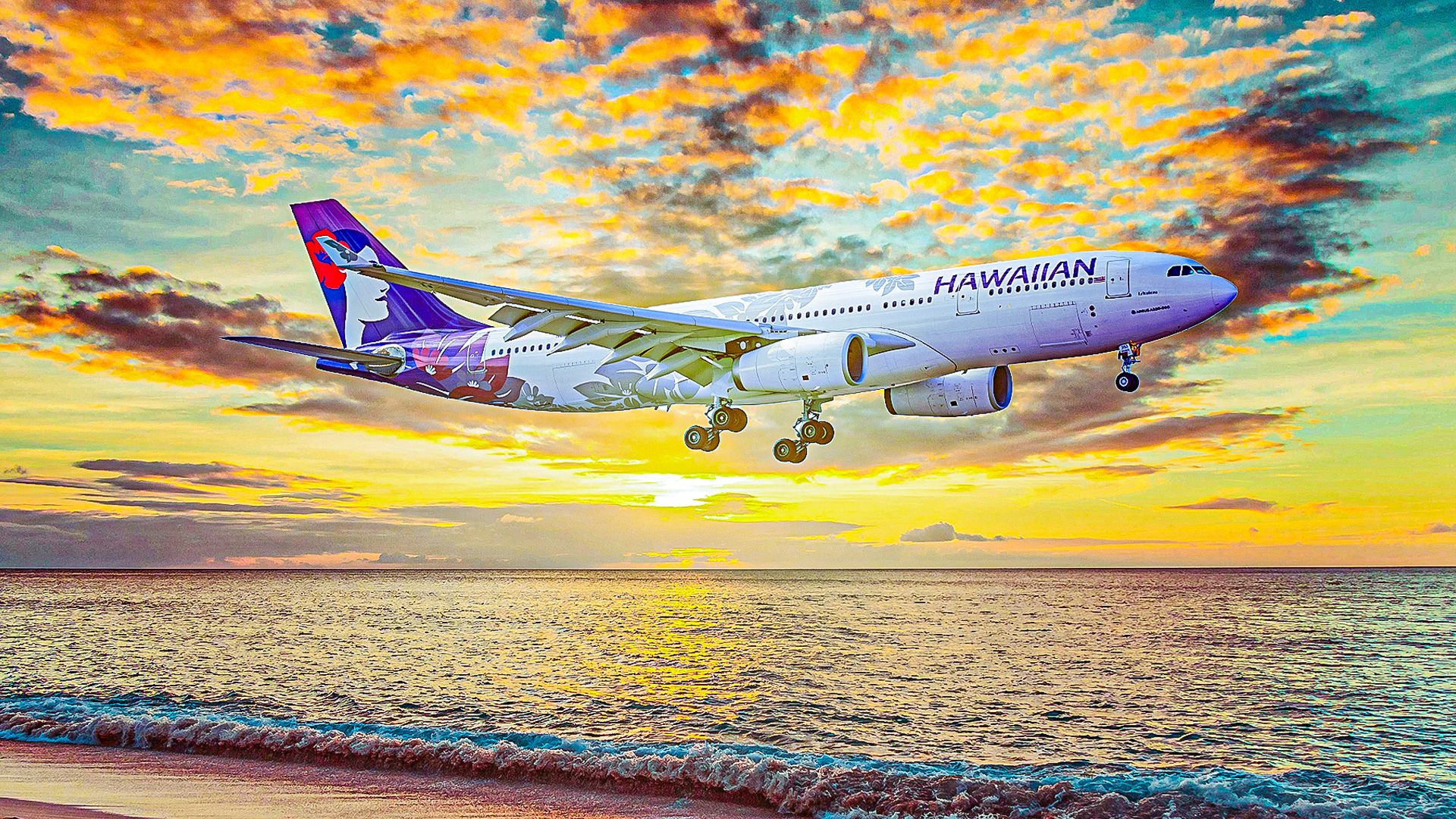
Hawaiian Airlines is undergoing significant changes as it prepares for a merger with Alaska Airlines in 2025. As part of this transition, the airline is reshaping its fleet to align with the broader operations of its new partner. Currently, Hawaiian Airlines operates a total of 75 passenger and cargo aircraft, with six additional jets on order, according to data from ch-aviation.
Current Fleet Overview
Hawaiian Airlines has an average fleet age of 11.5 years. The newest additions are four Boeing 787-9 Dreamliners, which boast a young average age of just 1.9 years. These aircraft are configured to carry 300 passengers, divided into two classes. The front of the cabin features 34 business class flatbeds arranged in a 1-2-1 layout, allowing direct aisle access for every passenger. The economy section accommodates 266 seats in a 3-3-3 configuration.
As part of the merger with Alaska Airlines, these Dreamliners will soon transition to the latter’s operations, supporting a new long-haul hub in Seattle. Alaska Airlines CEO Ben Minicucci emphasized the merger’s significance, stating, “With these bold moves, we are accelerating our vision to connect our guests to the world.”
The airline also operates 24 Airbus A330-200s, which are approximately 12.5 years old. Of these, 23 are currently active, while one is undergoing maintenance at Singapore Changi Airport. Each A330-200 can seat 278 passengers, but only 18 of those seats are in business class. The configuration, which features a 2-2-2 layout, limits direct aisle access for window passengers. Hawaiian Airlines plans to introduce a premium economy section to enhance passenger experience.
In addition to passenger jets, Hawaiian Airlines operates 10 A330-300P2F cargo aircraft for Amazon, further diversifying its operations.
Narrowbody and Regional Operations
The airline has also revitalized its narrowbody fleet with 18 next-generation Airbus A321neo twinjets, averaging seven years old. Currently, only one A321neo is active, while another is stored in Oakland. Each A321neo can carry 189 passengers, with 16 domestic first-class recliners and 173 economy seats. Hawaiian Airlines has scheduled over 1,000 A321neo flights in January alone.
The Boeing 717-200s serve as Hawaiian’s smallest yet busiest aircraft, with 19 in operation. These rear-engined twinjets are essential for island-hopping routes, operating several short flights daily. At present, only one 717 is inactive, undergoing maintenance in Honolulu. The average age of these aircraft is 23.9 years, making them the oldest in the fleet. Despite their age, Alaska Airlines has confirmed that they will remain operational for at least five more years, having recently undergone a life extension program.
As Hawaiian Airlines integrates into Alaska Airlines, the future of its fleet appears focused on modernization while maintaining essential regional capabilities. The evolving landscape of the airline industry, particularly with this merger, will continue to shape the carrier’s operational strategies and customer offerings as 2025 approaches.

Texas Tech Claims First Big 12 Championship with Dominant Win

Hawaiian Airlines Restructures Fleet Ahead of 2025 Merger Changes

Reacher Season 4: A Golden Opportunity for Character Returns

FanDuel Offers Major Promotions for College Football Championships

Reacher Season 4 Sparks Hope for Roscoe and Former Allies’ Return

Exploring the Long-Term Effects of Trauma on Physical Health

Texas Tech Celebrates Historic Big 12 Championship Win

Musk Urges Dismantling of EU After $140 Million Fine on X

Supreme Court to Review Trump’s Controversial Citizenship Order

Libraries Challenge Rising E-Book Costs Amid Growing Demand

Tyreek Hill Responds to Tua Tagovailoa’s Comments on Team Dynamics

Liverpool Secures Agreement to Sign Young Striker Will Wright

Save Your Split Tomatoes: Expert Tips for Gardeners

Princess Beatrice’s Daughter Athena Joins Siblings at London Parade

San Francisco Hosts Unique Contest to Identify “Performative Males”

Winter Storms Lash New South Wales with Snow, Flood Risks

Trump Administration Moves to Repeal Key Climate Regulation

SoFi Technologies Shares Slip 2% Following Insider Stock Sale
-
 Lifestyle5 months ago
Libraries Challenge Rising E-Book Costs Amid Growing Demand
-
 Sports4 months ago
Tyreek Hill Responds to Tua Tagovailoa’s Comments on Team Dynamics
-
 Sports4 months ago
Liverpool Secures Agreement to Sign Young Striker Will Wright
-
 Lifestyle4 months ago
Save Your Split Tomatoes: Expert Tips for Gardeners
-
 Lifestyle4 months ago
Princess Beatrice’s Daughter Athena Joins Siblings at London Parade
-
 Science4 months ago
San Francisco Hosts Unique Contest to Identify “Performative Males”
-
 World4 months ago
Winter Storms Lash New South Wales with Snow, Flood Risks
-
 Science5 months ago
Trump Administration Moves to Repeal Key Climate Regulation
-
 Business5 months ago
SoFi Technologies Shares Slip 2% Following Insider Stock Sale
-

 Science5 months ago
New Tool Reveals Link Between Horse Coat Condition and Parasites
-

 Sports4 months ago
Elon Musk Sculpture Travels From Utah to Yosemite National Park
-

 Science5 months ago
New Study Confirms Humans Transported Stonehenge Bluestones