
World
China Demands Majority Stake in Panama Ports Deal, Blocking BlackRock

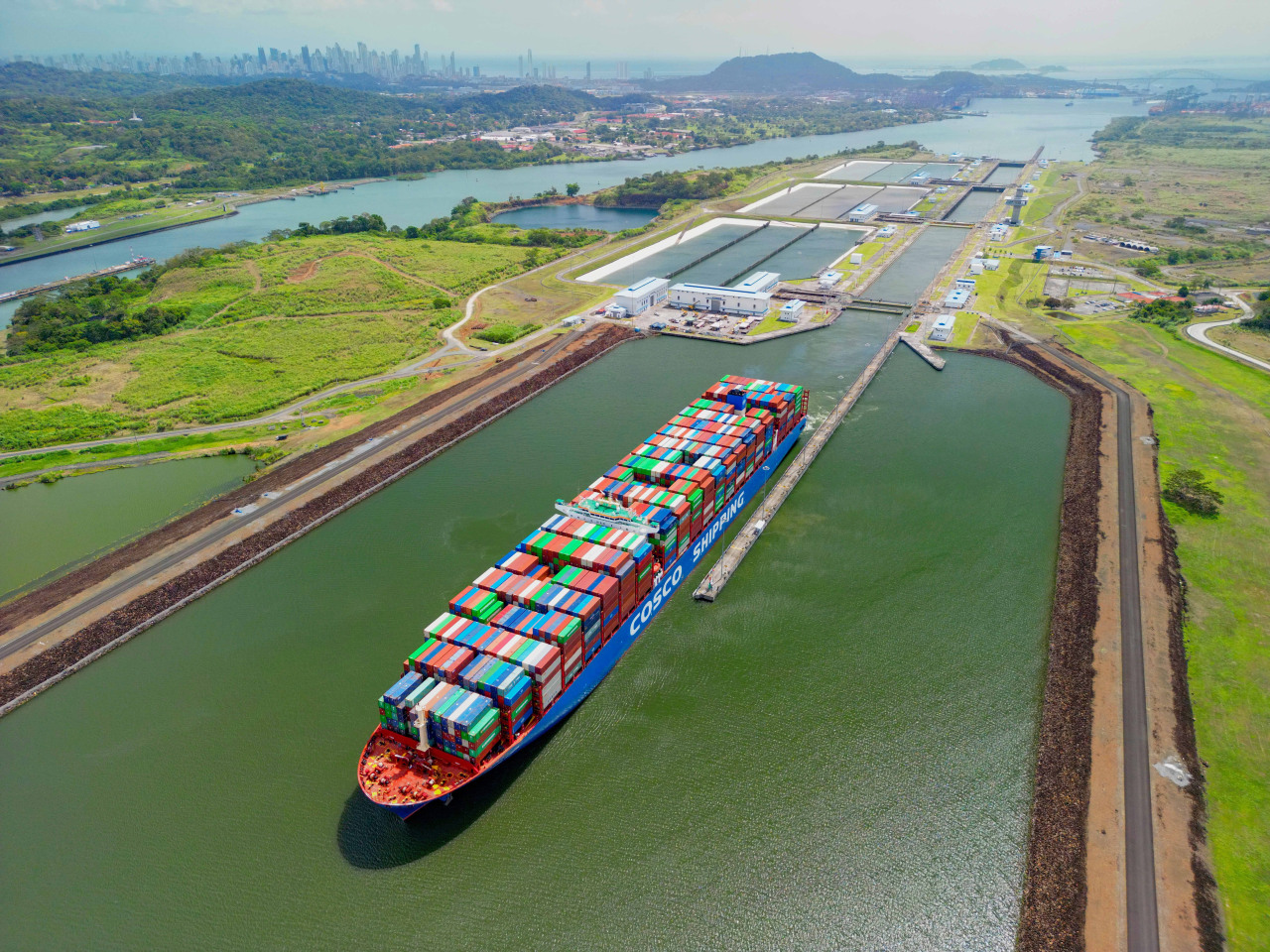
Negotiations surrounding a significant ports acquisition in Panama have reached a critical standstill. The deal, led by the investment firm BlackRock, faces new hurdles as China demands that its state-owned shipping giant, Cosco, secure a majority stake in the transaction. This development threatens to derail a potential agreement that could reshape maritime trade in the region.
The proposed deal aims to facilitate the acquisition of strategic port assets in Panama, which are crucial for international shipping routes. BlackRock’s interest stems from the ports’ potential to enhance trade capabilities, making them attractive to investors. However, China’s insistence on a controlling interest for Cosco has complicated the negotiations, leading to heightened tensions between the involved parties.
China’s Strategic Interests in Panama
China’s request for a majority stake in the ports is not merely an economic maneuver; it reflects broader strategic interests in the region. Panama’s geographical location makes it a pivotal point for shipping and trade between North and South America. By securing control over these ports, Cosco could significantly influence shipping routes and logistics in the Americas, aligning with China’s expansive Belt and Road Initiative.
Industry analysts note that China’s growing presence in Latin America has raised concerns among other nations regarding geopolitical influence. As Beijing asserts its economic power, the implications of this deal extend beyond mere financial transactions, potentially impacting international relations.
As of July 2023, BlackRock and its partners are reportedly considering their options in response to China’s demands. The firm has not publicly commented on the negotiations, but sources close to the discussions indicate that they are weighing the feasibility of the deal without accommodating Cosco’s stipulations.
Potential Economic Impact
The outcome of these negotiations could have significant economic repercussions not only for Panama but also for global shipping dynamics. If the deal proceeds without China’s conditions, it could enhance Panama’s role as a central hub for trade, attracting further investments from various international entities.
Conversely, should China block the deal, it may deter future foreign investments in Panama’s port infrastructure, resulting in missed opportunities for economic growth. Stakeholders in the region are closely monitoring the situation, understanding that the stakes are high, both politically and economically.
The situation remains fluid, with both sides under pressure to find a resolution that satisfies their respective interests. As BlackRock navigates this complex landscape, the global business community watches closely, aware that the resolution of this impasse could set a precedent for future international investment in strategically vital sectors.
In conclusion, the Panama ports deal illustrates the intricate interplay between international business interests and geopolitical strategy. With China’s demand for a majority stake in the deal, the future of this critical transaction now hangs in the balance.

NFL Veterans Step Up to Logan Paul’s $1 Million Boxing Challenge

Arab States Urgently Request U.S. Missile Supplies Amid Iran Threats

Sarah J. Maas Updates Fans on A Court of Thorns and Roses Adaptation

Ojala Islamic Center Opens as Midwest’s First Latino Mosque

Iraq War Veteran Critiques Trump’s Iran Strategy as Unnecessary Conflict

University of Waterloo Launches Interactive Safety Map for Dating Apps

Premier League Teams Set Transfer Priorities Ahead of Summer Window

European Economy Faces Uncertainty Due to Iran Conflict, Says ECB

Seth MacFarlane’s ‘Ted’ Season 2 Concludes with Humor and Heart

Libraries Challenge Rising E-Book Costs Amid Growing Demand

Tyreek Hill Responds to Tua Tagovailoa’s Comments on Team Dynamics

Liverpool Secures Agreement to Sign Young Striker Will Wright

San Francisco Hosts Unique Contest to Identify “Performative Males”

Save Your Split Tomatoes: Expert Tips for Gardeners

Princess Beatrice’s Daughter Athena Joins Siblings at London Parade

Elon Musk Sculpture Travels From Utah to Yosemite National Park

Winter Storms Lash New South Wales with Snow, Flood Risks

Trump Administration Moves to Repeal Key Climate Regulation
-
 Lifestyle7 months ago
Libraries Challenge Rising E-Book Costs Amid Growing Demand
-
 Sports7 months ago
Tyreek Hill Responds to Tua Tagovailoa’s Comments on Team Dynamics
-
 Sports7 months ago
Liverpool Secures Agreement to Sign Young Striker Will Wright
-
 Science6 months ago
San Francisco Hosts Unique Contest to Identify “Performative Males”
-
 Lifestyle7 months ago
Save Your Split Tomatoes: Expert Tips for Gardeners
-
 Lifestyle7 months ago
Princess Beatrice’s Daughter Athena Joins Siblings at London Parade
-
 Sports7 months ago
Elon Musk Sculpture Travels From Utah to Yosemite National Park
-
 World7 months ago
Winter Storms Lash New South Wales with Snow, Flood Risks
-
 Science8 months ago
Trump Administration Moves to Repeal Key Climate Regulation
-

 Business7 months ago
SoFi Technologies Shares Slip 2% Following Insider Stock Sale
-

 Science8 months ago
New Tool Reveals Link Between Horse Coat Condition and Parasites
-

 Sports7 months ago
Bubba Wallace Makes History with Brickyard 400 Victory