
Top Stories
Stephanie Ruhle Challenges Viewer Perceptions of Legacy Media

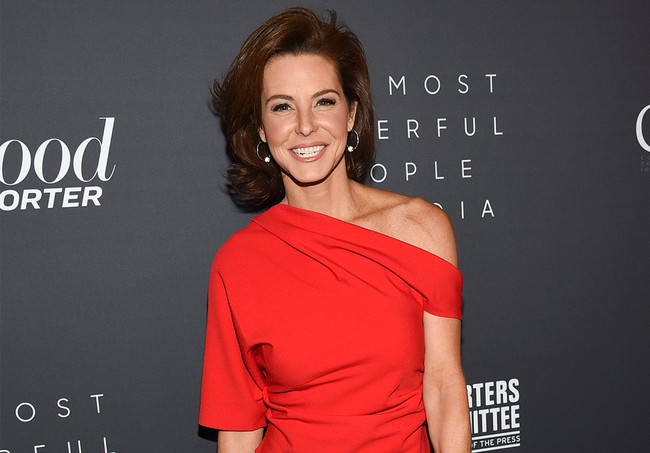
During a recent media summit in October 2023, a notable exchange unfolded between MSNBC host Stephanie Ruhle and radio personality Charlamagne tha God. The conversation focused on viewer perceptions of legacy media, particularly in light of growing public distrust towards traditional journalism.
Charlamagne expressed a widespread sentiment that audiences are well aware of the biases present in major news networks like CNN, Fox News, and NPR. He stated, “You know what you’re gonna get when you tune into MSNBC.” In stark contrast, Ruhle challenged this assertion, claiming that audiences do not have a clear understanding of the editorial slants of these networks. Her reaction sparked significant discussion online, with many viewers expressing disbelief at her stance.
Critics of Ruhle argue that she and her colleagues inhabit a “bubble” where they fail to recognize the biases that viewers easily identify. Some commentators suggest that Ruhle’s surprise at Charlamagne’s remarks is disingenuous, implying that she is aware of her network’s liberal agenda but chooses to play to a different narrative.
In a landscape where media trust is declining, many observers have noted that legacy media outlets often provide overwhelmingly negative coverage of certain political figures, particularly former President Donald Trump. Reports indicate that Trump has received over 95% negative coverage from networks like MSNBC, CNN, and ABC. This statistic further supports the argument that audiences can anticipate the tone and content of coverage when tuning in.
The conversation at the media summit reflects a broader debate about the role of legacy media in shaping public opinion. Many viewers believe that the narrative presented by these networks is often predictable, leading to a perception of bias that they cannot ignore. This sentiment is echoed in social media discussions, where users often comment on the frequency of negative portrayals of Trump and other conservatives.
Some commenters argue that the predictable nature of legacy media has turned news consumption into a game, where viewers time how long it takes for certain phrases or biases to surface. This dynamic illustrates a growing disconnection between media outlets and their audiences.
As the landscape continues to evolve, the challenge for legacy media remains clear: how to regain the trust of an audience that feels increasingly alienated by its coverage. The exchange between Ruhle and Charlamagne serves as a microcosm of this larger issue, highlighting the complexities of audience perception in a rapidly changing media environment.
In reflecting on viewer engagement, it is essential for media professionals to acknowledge the realities of their audience’s expectations. As public trust dwindles, understanding how audiences perceive bias may be crucial for the future of journalism.

Lando Norris Secures First Formula 1 Title at Abu Dhabi Grand Prix

German Industrial Production Surges Ahead of Major Investments

Stephanie Ruhle Challenges Viewer Perceptions of Legacy Media

States Pull Back on GLP-1 Drug Coverage Amid Budget Cuts

Juliette Binoche Discusses Directorial Debut and Future Projects

John Cena Surprises Fans at Bayley’s Lodestone 2025 Camp Ahead of Farewell

Indigenous Artifacts Return to Canada After Century in Vatican

Japanese Yen Rises as Wage Growth Sparks Rate Hike Speculation

Japanese Yen Rises on Strong Wage Growth Amid Fed Rate Cut Anticipation

Libraries Challenge Rising E-Book Costs Amid Growing Demand

Tyreek Hill Responds to Tua Tagovailoa’s Comments on Team Dynamics

Liverpool Secures Agreement to Sign Young Striker Will Wright

Save Your Split Tomatoes: Expert Tips for Gardeners

Princess Beatrice’s Daughter Athena Joins Siblings at London Parade

San Francisco Hosts Unique Contest to Identify “Performative Males”

Winter Storms Lash New South Wales with Snow, Flood Risks

Trump Administration Moves to Repeal Key Climate Regulation

SoFi Technologies Shares Slip 2% Following Insider Stock Sale
-
 Lifestyle5 months ago
Libraries Challenge Rising E-Book Costs Amid Growing Demand
-
 Sports4 months ago
Tyreek Hill Responds to Tua Tagovailoa’s Comments on Team Dynamics
-
 Sports4 months ago
Liverpool Secures Agreement to Sign Young Striker Will Wright
-
 Lifestyle4 months ago
Save Your Split Tomatoes: Expert Tips for Gardeners
-
 Lifestyle4 months ago
Princess Beatrice’s Daughter Athena Joins Siblings at London Parade
-
 Science4 months ago
San Francisco Hosts Unique Contest to Identify “Performative Males”
-
 World4 months ago
Winter Storms Lash New South Wales with Snow, Flood Risks
-
 Science5 months ago
Trump Administration Moves to Repeal Key Climate Regulation
-
 Business5 months ago
SoFi Technologies Shares Slip 2% Following Insider Stock Sale
-

 Science5 months ago
New Tool Reveals Link Between Horse Coat Condition and Parasites
-

 Sports5 months ago
Elon Musk Sculpture Travels From Utah to Yosemite National Park
-

 Science5 months ago
New Study Confirms Humans Transported Stonehenge Bluestones