
Top Stories
Loons Return to Maine’s Lakes, Enriching Natural Soundscape

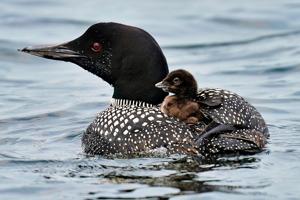
Maine’s lakes and ponds are experiencing a resurgence of loons, with their distinctive calls echoing across the state once again. Conservation efforts have successfully increased the population of these large waterbirds, which are now inhabiting more bodies of water than in recent years. According to the Maine Department of Inland Fisheries and Wildlife, the population of loons has grown to several thousand, marking a significant recovery since the implementation of protective measures.
Efforts to safeguard loons have included habitat protection and public education campaigns aimed at reducing human-related threats. These birds, known for their striking black and white plumage and eerie calls, rely on clean, undisturbed waters for nesting and feeding. Conservationists emphasize the importance of maintaining healthy ecosystems to support the loons’ recovery.
Conservation Measures Yield Results
The increase in loon populations is attributed to various conservation initiatives launched over the past few decades. These efforts focus on protecting nesting sites from development and minimizing disturbances during the breeding season. In 2023, researchers from the Maine Audubon Society reported that the number of active loon nests has risen significantly, signaling a positive trend for the species.
In addition, local communities have been engaged in monitoring and protecting loon habitats. Volunteers have participated in programs that track loons and their nesting success, contributing valuable data to ongoing conservation efforts. As a result, many lakes that were once devoid of loons are now bustling with the sounds of these iconic birds.
Impact on Ecosystems and Tourism
The return of loons to Maine’s lakes not only enhances the natural beauty of the region but also plays a critical role in maintaining ecological balance. As predators, loons help regulate fish populations, which can benefit the overall health of aquatic ecosystems. Their presence is often seen as an indicator of environmental quality, making their recovery a positive sign for Maine’s natural habitats.
Moreover, this resurgence has implications for tourism. Birdwatchers and nature enthusiasts are drawn to locations where loons are thriving, contributing to the local economy. As visitors flock to Maine to experience the haunting calls of loons, businesses related to outdoor activities are likely to benefit from increased foot traffic.
The success story of Maine’s loons serves as a reminder of the impact that dedicated conservation efforts can have on wildlife populations. With continued support and awareness, conservationists hope to ensure that these remarkable birds remain a prominent feature of Maine’s lakes and ponds for generations to come.

Utah Promotes Morgan Scalley to Head Coach Following Whittingham’s Departure

Multiple Victims Reported in Shooting Near Brown University

Colorado Buffaloes Rally to Defeat UTSA with 88-64 Victory

Michigan Launches Investigation into Athletic Department Culture

Peter Greene, “Pulp Fiction” Star, Dies at 60 in NYC Home

Actor Peter Greene Dies at 60: Manager Reveals Last Call

Medina’s Dashawn Davison Honored as Ohio’s DSP of the Year

JPMorgan Chase Shares Surge 2.3% Following Analyst Upgrade

Castle Biosciences and Seres Therapeutics: A Comparative Analysis

Libraries Challenge Rising E-Book Costs Amid Growing Demand

Tyreek Hill Responds to Tua Tagovailoa’s Comments on Team Dynamics

Liverpool Secures Agreement to Sign Young Striker Will Wright

Save Your Split Tomatoes: Expert Tips for Gardeners

Princess Beatrice’s Daughter Athena Joins Siblings at London Parade

San Francisco Hosts Unique Contest to Identify “Performative Males”

Winter Storms Lash New South Wales with Snow, Flood Risks

Trump Administration Moves to Repeal Key Climate Regulation

SoFi Technologies Shares Slip 2% Following Insider Stock Sale
-
 Lifestyle5 months ago
Libraries Challenge Rising E-Book Costs Amid Growing Demand
-
 Sports4 months ago
Tyreek Hill Responds to Tua Tagovailoa’s Comments on Team Dynamics
-
 Sports5 months ago
Liverpool Secures Agreement to Sign Young Striker Will Wright
-
 Lifestyle5 months ago
Save Your Split Tomatoes: Expert Tips for Gardeners
-
 Lifestyle5 months ago
Princess Beatrice’s Daughter Athena Joins Siblings at London Parade
-
 Science4 months ago
San Francisco Hosts Unique Contest to Identify “Performative Males”
-
 World4 months ago
Winter Storms Lash New South Wales with Snow, Flood Risks
-
 Science5 months ago
Trump Administration Moves to Repeal Key Climate Regulation
-
 Business5 months ago
SoFi Technologies Shares Slip 2% Following Insider Stock Sale
-

 Science5 months ago
New Tool Reveals Link Between Horse Coat Condition and Parasites
-

 Sports5 months ago
Elon Musk Sculpture Travels From Utah to Yosemite National Park
-
 Science5 months ago
New Study Confirms Humans Transported Stonehenge Bluestones