
Sports
North Dakota Farmers Face Labor Shortages and Rising Costs

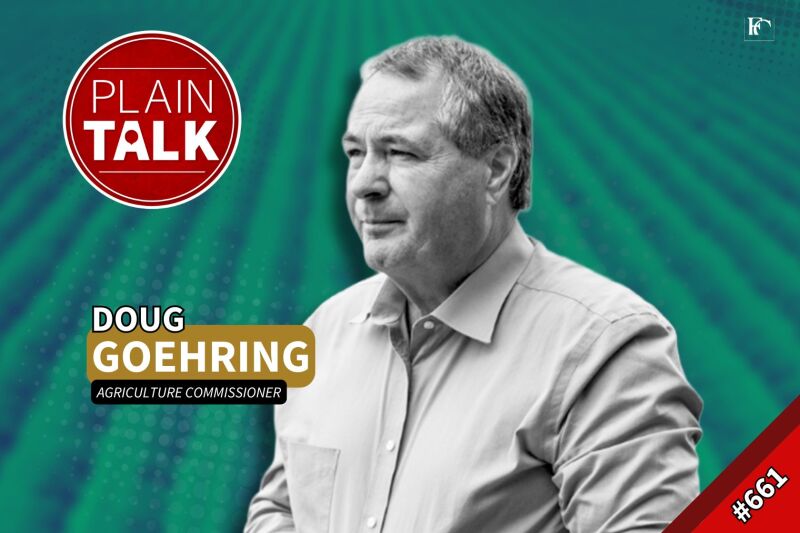
Farmers in North Dakota are confronting significant challenges, including rising costs due to tariffs and declining crop prices exacerbated by ongoing trade tensions. In a recent episode of the podcast *Plain Talk*, North Dakota Agriculture Commissioner Doug Goehring highlighted an additional pressing issue: a severe labor shortage that is impacting agricultural operations across the state.
Goehring expressed concern that the current labor market is failing to attract individuals willing to work on farms. “You can’t get anybody to come out and want to work on a farm,” he stated, emphasizing the difficulties farmers face in filling essential positions. This shortage not only leaves many roles unfilled but also leads to increased wages for the limited workers available.
The labor deficit is further complicated by challenges associated with the H2A visa program, which allows farmers to bring in temporary agricultural workers from abroad. Goehring explained, “H2A is specific to skilled labor that we can bring into the country to help us do the work, because you can’t find anybody anymore to do it.” He clarified misconceptions surrounding the program, asserting that hiring H2A workers involves strict requirements, including providing housing and covering transportation costs. “You’re required to pay them, no matter what, when they’re here,” he added.
When asked if the previous administration’s immigration policies contributed to these labor shortages, Goehring acknowledged there is some impact, albeit mixed with other factors. He pointed to complexities in the H2A visa application process and noted competition from the oil industry for available labor as additional pressures on the agricultural workforce.
In response to the financial challenges faced by farmers, the North Dakota Industrial Commission has implemented a $400 million loan program aimed at supporting those affected by economic downturns. Goehring noted, “We’re lucky; North Dakota has the only state-owned, sovereign bank in the entire country.” This unique financial structure allows the state to offer tailored programs to assist farmers in managing and mitigating risks in a challenging economic landscape.
During the podcast, co-host Chad Oban and Goehring also explored related topics, including the national immigration debate, the difficulties of promoting locally produced foods, and the potential benefits of harm reduction programs, such as needle exchanges, in community health strategies.
To engage with the podcast, listeners are encouraged to call or text at 701-587-3141 to share their thoughts or questions, which may be featured in future episodes. Additionally, *Plain Talk* is available on various platforms, including Apple Podcasts and Spotify, allowing a broad audience to access these discussions on vital issues affecting North Dakota and beyond.

Texas Tech Claims First Big 12 Championship with Dominant Win

Hawaiian Airlines Restructures Fleet Ahead of 2025 Merger Changes

Reacher Season 4: A Golden Opportunity for Character Returns

FanDuel Offers Major Promotions for College Football Championships

Reacher Season 4 Sparks Hope for Roscoe and Former Allies’ Return

Exploring the Long-Term Effects of Trauma on Physical Health

Texas Tech Celebrates Historic Big 12 Championship Win

Musk Urges Dismantling of EU After $140 Million Fine on X

Supreme Court to Review Trump’s Controversial Citizenship Order

Libraries Challenge Rising E-Book Costs Amid Growing Demand

Tyreek Hill Responds to Tua Tagovailoa’s Comments on Team Dynamics

Liverpool Secures Agreement to Sign Young Striker Will Wright

Save Your Split Tomatoes: Expert Tips for Gardeners

Princess Beatrice’s Daughter Athena Joins Siblings at London Parade

San Francisco Hosts Unique Contest to Identify “Performative Males”

Winter Storms Lash New South Wales with Snow, Flood Risks

Trump Administration Moves to Repeal Key Climate Regulation

SoFi Technologies Shares Slip 2% Following Insider Stock Sale
-
 Lifestyle5 months ago
Libraries Challenge Rising E-Book Costs Amid Growing Demand
-
 Sports4 months ago
Tyreek Hill Responds to Tua Tagovailoa’s Comments on Team Dynamics
-
 Sports4 months ago
Liverpool Secures Agreement to Sign Young Striker Will Wright
-
 Lifestyle4 months ago
Save Your Split Tomatoes: Expert Tips for Gardeners
-
 Lifestyle4 months ago
Princess Beatrice’s Daughter Athena Joins Siblings at London Parade
-
 Science4 months ago
San Francisco Hosts Unique Contest to Identify “Performative Males”
-
 World4 months ago
Winter Storms Lash New South Wales with Snow, Flood Risks
-
 Science5 months ago
Trump Administration Moves to Repeal Key Climate Regulation
-
 Business5 months ago
SoFi Technologies Shares Slip 2% Following Insider Stock Sale
-

 Science5 months ago
New Tool Reveals Link Between Horse Coat Condition and Parasites
-

 Sports4 months ago
Elon Musk Sculpture Travels From Utah to Yosemite National Park
-

 Science5 months ago
New Study Confirms Humans Transported Stonehenge Bluestones