
Science
Scientists Transform Human Brain Cells into Functional Biocomputers

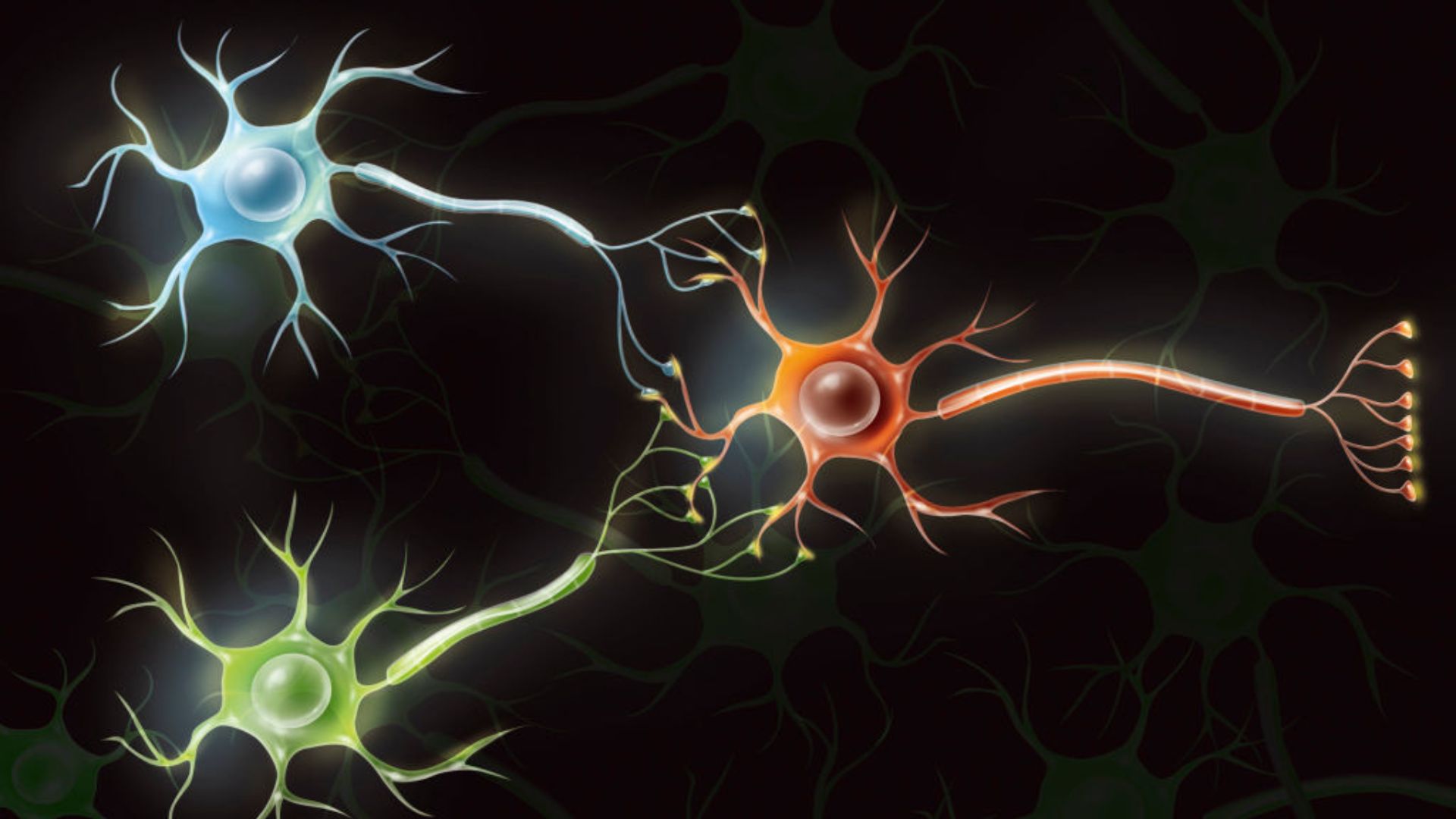
Research teams at the University of California, San Diego, have made significant strides in the field of biocomputers by converting human brain cells into functional computational systems. These innovative devices utilize biologically derived materials, such as DNA, proteins, and lab-grown neurons, to perform complex computational tasks that traditional computers execute.
The groundbreaking study was published in the journal Nature in September 2023, marking a pivotal moment in bioengineering and computer science. Researchers are exploring the potential of using living cells to create devices capable of processing information in ways that mimic biological systems. This approach offers a radical shift from conventional silicon-based computing, potentially leading to more efficient and adaptive technologies.
According to the lead researcher, Dr. Karen O’Connor, the project aims to harness the unique properties of biological materials. “Biocomputers could revolutionize how we approach computation, providing a platform that not only processes information but also learns and adapts over time,” O’Connor stated.
The research team developed a technique to cultivate human neurons in a controlled environment, allowing them to function similarly to computer circuits. By connecting these neurons, they created networks capable of executing basic computational functions. The implications of this technology extend beyond computing; applications could include advanced medical devices and novel approaches to artificial intelligence.
One of the most compelling features of biocomputers is their potential for energy efficiency. Traditional computers consume significant amounts of power, but biological systems are inherently more energy-efficient. Biocomputers could perform complex calculations while using a fraction of the energy required by conventional machines. This efficiency could play a crucial role in addressing global energy concerns.
The study also opens doors to a new understanding of how biological systems process information. Scientists believe that by studying these biocomputers, they can gain insights into the functioning of the human brain, potentially leading to advancements in treating neurological disorders.
As research progresses, the team plans to enhance the computational capabilities of these biocomputers. Future iterations may involve integrating more complex biological components, allowing for a broader range of functions. The vision is to create systems that not only process data but also interact with their environment in real-time.
The potential applications of biocomputers are vast. From medical diagnostics to environmental monitoring, the ability to leverage living cells for computation presents exciting possibilities. This technology could introduce a new era of computing that harmonizes with biological processes, creating solutions that are not only effective but also sustainable.
In conclusion, the transformation of human brain cells into functional biocomputers represents a remarkable advancement in technology. As this field continues to evolve, it may reshape our understanding of computation and bring forth innovations that enhance various aspects of life. The journey from biological materials to functional devices is just beginning, with researchers optimistic about what lies ahead.

49ers Gear Up for Playoff Push with Key Bye Week Ahead

ITA Airways Launches New Houston Route as US-Italy Air Traffic Soars

Two Men Slashed in Early Morning Attack in Queens

Unmissable Smartphone Discounts on Flipkart This Weekend

Remembering John Lennon: Reflecting on His Lasting Impact

Hillsboro Promotes Wellness Through Art with Diverse Programs

Homeowners Advised to Use Dish Soap for Winter Drain Issues

Minnesota’s Somali Community Under Investigation for Fraud Allegations

Researchers Unearth Architectural Secrets of Ancient Pompeii

Libraries Challenge Rising E-Book Costs Amid Growing Demand

Tyreek Hill Responds to Tua Tagovailoa’s Comments on Team Dynamics

Liverpool Secures Agreement to Sign Young Striker Will Wright

Save Your Split Tomatoes: Expert Tips for Gardeners

Princess Beatrice’s Daughter Athena Joins Siblings at London Parade

San Francisco Hosts Unique Contest to Identify “Performative Males”

Winter Storms Lash New South Wales with Snow, Flood Risks

Trump Administration Moves to Repeal Key Climate Regulation

SoFi Technologies Shares Slip 2% Following Insider Stock Sale
-
 Lifestyle5 months ago
Libraries Challenge Rising E-Book Costs Amid Growing Demand
-
 Sports4 months ago
Tyreek Hill Responds to Tua Tagovailoa’s Comments on Team Dynamics
-
 Sports4 months ago
Liverpool Secures Agreement to Sign Young Striker Will Wright
-
 Lifestyle4 months ago
Save Your Split Tomatoes: Expert Tips for Gardeners
-
 Lifestyle4 months ago
Princess Beatrice’s Daughter Athena Joins Siblings at London Parade
-
 Science4 months ago
San Francisco Hosts Unique Contest to Identify “Performative Males”
-
 World4 months ago
Winter Storms Lash New South Wales with Snow, Flood Risks
-
 Science5 months ago
Trump Administration Moves to Repeal Key Climate Regulation
-
 Business5 months ago
SoFi Technologies Shares Slip 2% Following Insider Stock Sale
-

 Science5 months ago
New Tool Reveals Link Between Horse Coat Condition and Parasites
-

 Sports4 months ago
Elon Musk Sculpture Travels From Utah to Yosemite National Park
-

 Science5 months ago
New Study Confirms Humans Transported Stonehenge Bluestones