
Science
NIH Cuts MOSAIC Program Impact Hundreds of Early-Career Scientists

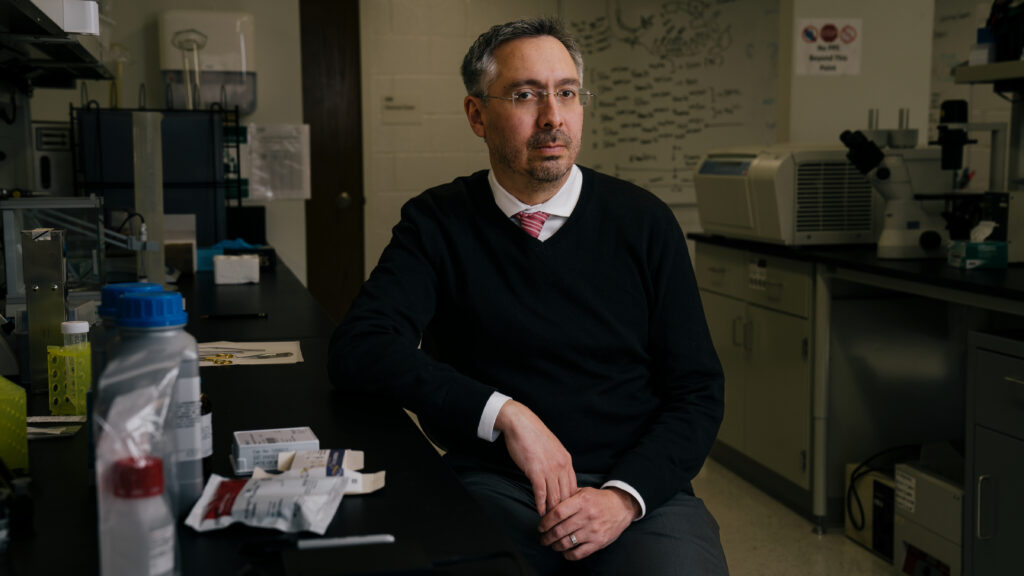
The National Institutes of Health (NIH) has discontinued its MOSAIC program, which was designed to support early-career scientists transitioning from postdoctoral roles to independent lab heads. This decision has left over 104 researchers scrambling for funding and job security, as the program was crucial in providing financial support during a critical phase of their careers. The termination of MOSAIC has sparked concern regarding the future of diversity in scientific research and the potential impact on the scientific workforce in the United States.
The MOSAIC program, short for Maximizing Opportunities for Scientific and Academic Independent Careers, aimed to address the significant lack of diversity among NIH-funded investigators while simultaneously improving the career prospects of postdoctoral researchers. The initiative was particularly important for those from underrepresented backgrounds and included a broad definition of diversity that extended beyond race and ethnicity. This included individuals from rural areas, first-generation college students, and those who had experienced foster care.
Jay Bhattacharya, the NIH Director, previously emphasized the importance of nurturing young scientists, citing that they often produce the most innovative work early in their careers. Despite this commitment, the program was terminated as part of the Trump administration’s broader move to eliminate diversity, equity, and inclusion (DEI) initiatives. According to reports, the NIH justified this shift by stating it aimed to maximize the impact of federal funding and focus on “gold-standard science” rather than “politicized DEI ideology.”
The cancellation of MOSAIC has left many researchers feeling betrayed. Luis Rodriguez, a molecular biologist at George Washington University, shared his experience of relying on the anticipated funding to launch his research on lung disease. He described the emotional toll of the program’s abrupt termination, saying, “I think everyone has their own horror story.” Rodriguez, like many others, is now faced with a significantly reduced budget for his lab and essential research projects.
According to Grant Witness, an independent project tracking NIH grant terminations, 172 fewer new transition grants were awarded to postdoctoral researchers in the nine months leading up to the government shutdown compared to the previous year, marking a 10% reduction. In total, the NIH funded 896 fewer new early-career grants of all types compared to the same period in the previous year, indicating a concerning trend for early-career researchers.
Many scientists have expressed their anxiety over the long-term implications of these funding cuts. Tara Schwetz, former NIH deputy director, highlighted the potential dangers that declining support for early-career scientists poses to the future of the scientific workforce. She stated, “I do worry a lot about early-career scientists and people who are in their training, or thinking about going into science because the interest is shifting in the wrong direction, and I don’t think that’s good for the country.”
The MOSAIC program was designed to provide financial support in two phases: the first phase awarded up to $125,000 per year for two years of postdoctoral research, while the second phase provided up to $249,000 per year for three years as tenure-track professors. This structure was intended to ensure that early-career scientists had the resources needed to establish successful labs.
Michael Sesma, who played a pivotal role in establishing the program, recalled the necessity of such initiatives. He noted that the program was structured to “put the money where it would do the most good and help the most people.” The program had shown promise in increasing the representation of marginalized researchers in academia, countering deeply entrenched biases.
Despite the program’s potential benefits, opposition to diversity-focused funding has grown. Critics often mischaracterize these initiatives as less merit-based, creating a perception that participants are not competitive in mainstream academia. Yet, analysis of NIH data revealed that the transition success rates for MOSAIC participants were comparable to those of other transition award recipients, regardless of diversity emphasis.
The abrupt cancellation of MOSAIC has raised concerns about the long-term health of the scientific research community. Sarah Vick, a postdoctoral researcher and former MOSAIC scholar, expressed her frustration over the competitive nature of faculty searches, particularly after losing her funding. Vick has applied to numerous positions, yet the absence of NIH funding has made her a less attractive candidate.
As the NIH faces criticism for its handling of early-career funding, the future of programs like MOSAIC remains uncertain. The program’s elimination has sent shockwaves through the scientific community, with many researchers fearing that their careers may suffer as a result. As Amelia Cuarenta, a behavioral neuroscientist, noted, the termination of MOSAIC has left many feeling disheartened, particularly as they believe they were eligible for other funding opportunities that were not diversity-focused.
In light of these developments, the NIH must grapple with its role in supporting the next generation of scientists. The potential ramifications of the MOSAIC program’s termination extend beyond financial implications; they may also affect the future landscape of scientific research in the United States. As researchers like Rodriguez, Vick, and Cuarenta continue their work, they remain optimistic but cautious, knowing that the challenges ahead could significantly reshape their careers and contributions to science.

Cary Street Partners Boosts Stake in SLB Limited to $3.66 Million

John Cena Celebrates Bayley’s Successful Training Camp in Florida

NIH Cuts Funding for Young Scientists, Leaving Many in Limbo

Discover 41 Unique Holiday Gifts for the 2025 Season

Navigating Social Invitations: Miss Manners Offers Timely Advice

NIH Cuts MOSAIC Program Impact Hundreds of Early-Career Scientists

Lando Norris Secures First Formula 1 Title at Abu Dhabi Grand Prix

German Industrial Production Surges Ahead of Major Investments

Stephanie Ruhle Challenges Viewer Perceptions of Legacy Media

Libraries Challenge Rising E-Book Costs Amid Growing Demand

Tyreek Hill Responds to Tua Tagovailoa’s Comments on Team Dynamics

Liverpool Secures Agreement to Sign Young Striker Will Wright

Save Your Split Tomatoes: Expert Tips for Gardeners

Princess Beatrice’s Daughter Athena Joins Siblings at London Parade

San Francisco Hosts Unique Contest to Identify “Performative Males”

Winter Storms Lash New South Wales with Snow, Flood Risks

Trump Administration Moves to Repeal Key Climate Regulation

SoFi Technologies Shares Slip 2% Following Insider Stock Sale
-
 Lifestyle5 months ago
Libraries Challenge Rising E-Book Costs Amid Growing Demand
-
 Sports4 months ago
Tyreek Hill Responds to Tua Tagovailoa’s Comments on Team Dynamics
-
 Sports4 months ago
Liverpool Secures Agreement to Sign Young Striker Will Wright
-
 Lifestyle4 months ago
Save Your Split Tomatoes: Expert Tips for Gardeners
-
 Lifestyle4 months ago
Princess Beatrice’s Daughter Athena Joins Siblings at London Parade
-
 Science4 months ago
San Francisco Hosts Unique Contest to Identify “Performative Males”
-
 World4 months ago
Winter Storms Lash New South Wales with Snow, Flood Risks
-
 Science5 months ago
Trump Administration Moves to Repeal Key Climate Regulation
-
 Business5 months ago
SoFi Technologies Shares Slip 2% Following Insider Stock Sale
-

 Science5 months ago
New Tool Reveals Link Between Horse Coat Condition and Parasites
-

 Sports5 months ago
Elon Musk Sculpture Travels From Utah to Yosemite National Park
-

 Science5 months ago
New Study Confirms Humans Transported Stonehenge Bluestones