
Science
MIT Launches RareNet to Transform Research on Brain Disorders

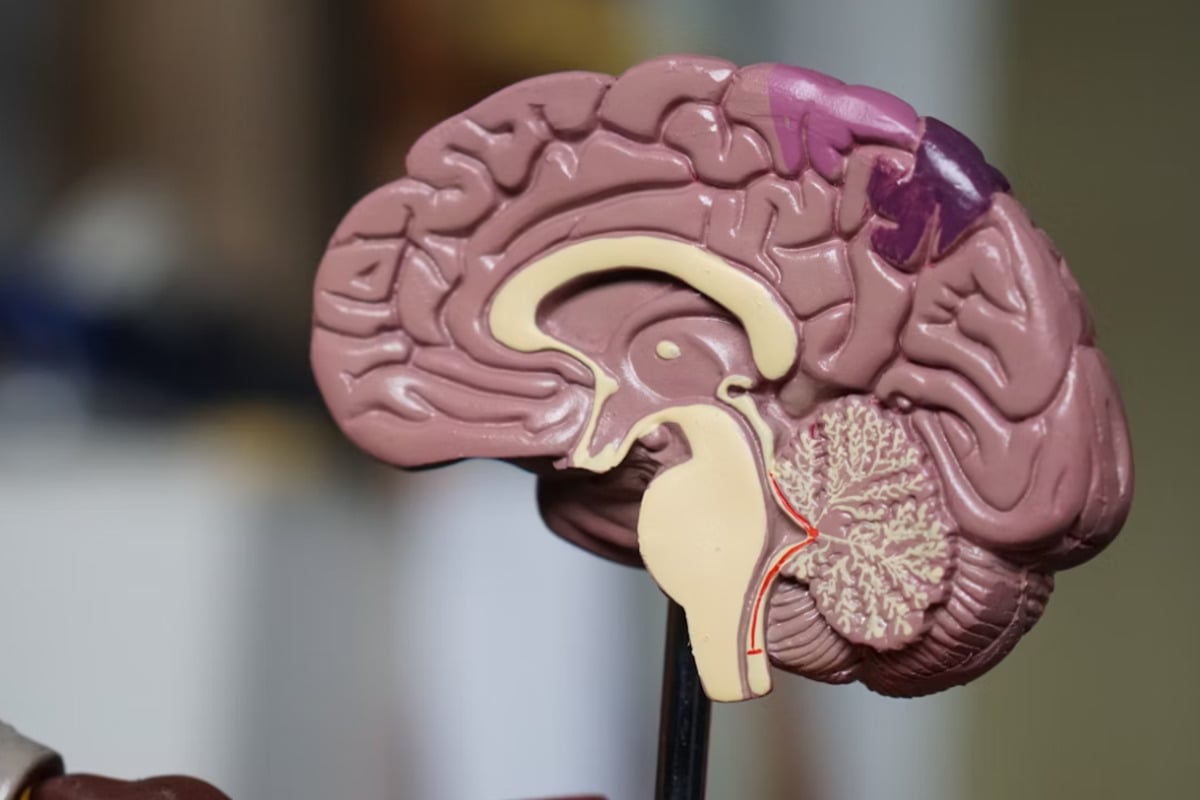
In a groundbreaking initiative, the Massachusetts Institute of Technology (MIT) has launched the Rare Brain Disorders Nexus (RareNet), focusing on advancing research into rare brain disorders. This effort, supported by a generous donation from alumni Ana Méndez and Rajeev Jayavant, seeks to address the inherent challenges associated with studying conditions that impact a limited number of individuals globally. According to MIT News, over 300 million people worldwide are affected by rare disorders that frequently lack approved treatments.
Recognizing the difficulties in recruiting sufficient patient populations for research and the reluctance of pharmaceutical companies to invest in small markets, Méndez and Jayavant have initiated a collaborative framework aimed at fostering breakthroughs in rare disease research. They envision RareNet as a vibrant community of neuroscience experts working together to stimulate scientific advancements across various conditions.
“Our hope is that RareNet will allow leaders in the field to come together under a shared framework and ignite scientific breakthroughs across multiple conditions,”
Jayavant stated, emphasizing the initiative’s collaborative spirit.
Structure and Objectives of RareNet
RareNet will undertake two primary initiatives: establishing a global consortium and developing a therapeutic pipeline accelerator. The consortium aims to bridge currently isolated research efforts, creating a comprehensive international network of researchers and advocates from the outset. Meanwhile, the therapeutic pipeline accelerator is designed to mitigate the risks associated with early laboratory discoveries, facilitating their transition to clinical application. This mission is bolstered by partnerships eager to utilize the accelerator’s resources for expediting clinical progress.
Under the guidance of Guoping Feng, a prominent researcher in neurodevelopmental disorders, RareNet intends to invest in innovative therapies for conditions such as Rett syndrome and Sturge-Weber syndrome. The initiative aspires to develop treatments capable of reversing dysfunctions affecting the brain and nervous system. Feng remarked, “RareNet pioneers a unique model for biomedical research — one that is reimagining the role academia can play in developing therapeutics,” acknowledging the essential groundwork laid by the MIT team for impactful foundational studies.
Impact on Patients and the Future of Rare Disease Research
As RareNet embarks on this mission, its leaders remain committed to ensuring that the experiences of patients and caregivers shape their research and therapeutic goals. Feng noted, “Patient and caregiver experiences, and our foreseeable impact on their lives, will guide us and remain at the forefront of our work.” This focus illustrates the transformative potential of RareNet for both the understanding and treatment of rare brain disorders.
Méndez echoed this sentiment, emphasizing the need for a unified community working towards a common objective. The establishment of the Rare Brain Disorders Nexus represents a hopeful chapter in addressing conditions that have long been overlooked, bringing the promise of scientific advancement and renewed hope to those affected.

Rolling Hills Prep Defeats Bishop Montgomery 47-37 in Nonleague Matchup

Wistar Institute Hires Dr. Vincent Wu to Advance HIV Research

New Kia Seltos Expands Features and Size Ahead of 2026 Launch

Kia Launches Bold New Seltos SUV at Global Online Premiere

Pamela Anderson Clarifies Relationship with Liam Neeson Amid Rumors

Trump Claims Success in Cognitive Tests Amid Health Concerns

Stellar Performances Shine at 2025 NFR Las Vegas Go-Round

UK Issues New Guidance for Safe Cell-Cultivated Food Production

Detroit Tigers Sign Closer Kyle Finnegan to Two-Year Deal

Libraries Challenge Rising E-Book Costs Amid Growing Demand

Tyreek Hill Responds to Tua Tagovailoa’s Comments on Team Dynamics

Liverpool Secures Agreement to Sign Young Striker Will Wright

Save Your Split Tomatoes: Expert Tips for Gardeners

Princess Beatrice’s Daughter Athena Joins Siblings at London Parade

San Francisco Hosts Unique Contest to Identify “Performative Males”

Winter Storms Lash New South Wales with Snow, Flood Risks

Trump Administration Moves to Repeal Key Climate Regulation

SoFi Technologies Shares Slip 2% Following Insider Stock Sale
-
 Lifestyle5 months ago
Libraries Challenge Rising E-Book Costs Amid Growing Demand
-
 Sports4 months ago
Tyreek Hill Responds to Tua Tagovailoa’s Comments on Team Dynamics
-
 Sports4 months ago
Liverpool Secures Agreement to Sign Young Striker Will Wright
-
 Lifestyle4 months ago
Save Your Split Tomatoes: Expert Tips for Gardeners
-
 Lifestyle4 months ago
Princess Beatrice’s Daughter Athena Joins Siblings at London Parade
-
 Science4 months ago
San Francisco Hosts Unique Contest to Identify “Performative Males”
-
 World4 months ago
Winter Storms Lash New South Wales with Snow, Flood Risks
-
 Science5 months ago
Trump Administration Moves to Repeal Key Climate Regulation
-
 Business5 months ago
SoFi Technologies Shares Slip 2% Following Insider Stock Sale
-

 Science5 months ago
New Tool Reveals Link Between Horse Coat Condition and Parasites
-

 Sports5 months ago
Elon Musk Sculpture Travels From Utah to Yosemite National Park
-

 Science5 months ago
New Study Confirms Humans Transported Stonehenge Bluestones