
Science
CITES Conference Proposes New Rules to Tackle Exotic Pet Trade

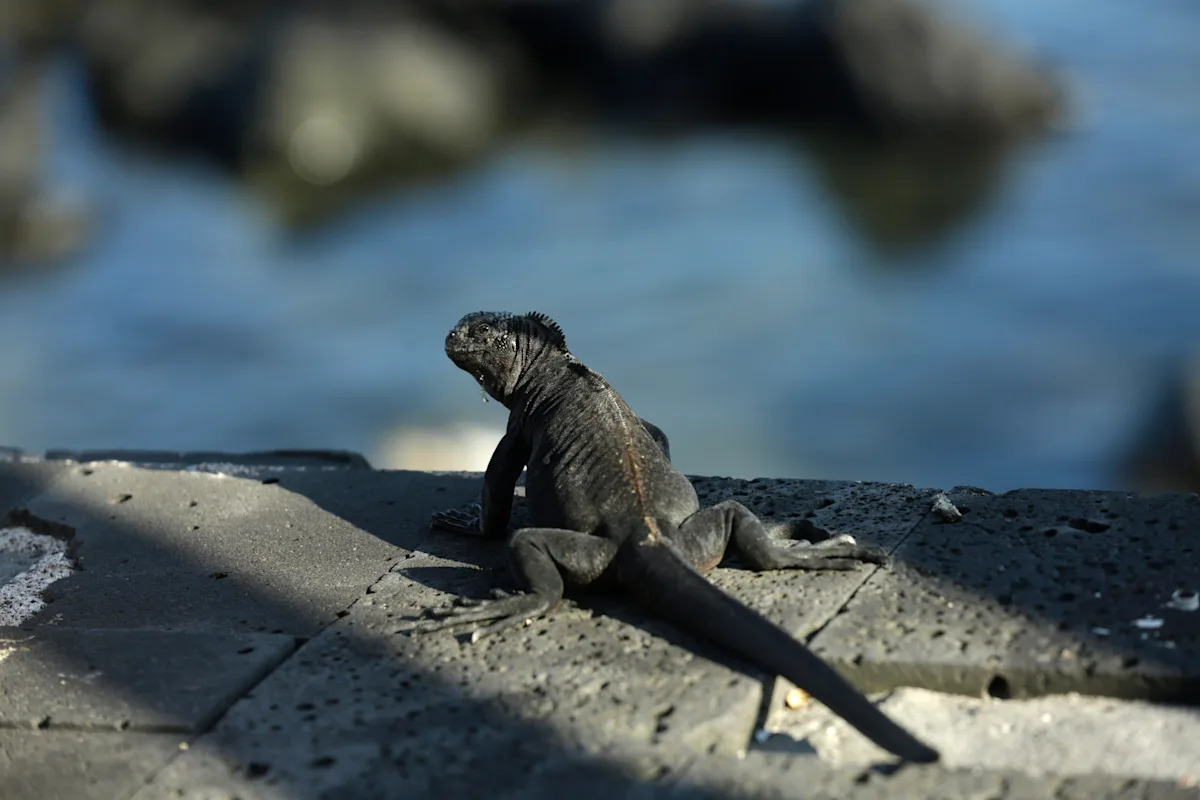
The ongoing Convention on International Trade in Endangered Species of Wild Fauna and Flora (CITES) in Samarkand, Uzbekistan, is addressing the urgent need for regulations to curb the growing exotic pet trade. Conservationists warn that an increasing number of reptiles, birds, and other species are being sold illegally online, with proposals for stricter controls or outright bans on specific species set to be discussed this week.
Proposals aimed at protecting endangered species include tighter regulations on the trade of iguanas from the Galapagos Islands, various Latin American tarantulas, and a critically endangered turtle known as Home’s Hinged-back Tortoise. Susan Lieberman, vice president for international policy at the Wildlife Conservation Society, emphasized that the shift towards online sales has made rare species more accessible. “People want rare species and they don’t have to go into a pet shop,” she stated.
The internet’s role in facilitating illegal wildlife trade is significant. Matt Collis, senior director of international policy at the International Fund for Animal Welfare, noted that online marketplaces have connected consumers directly with wildlife traders and criminals. “No wildlife is safe,” he remarked, highlighting that the ease of purchasing animals online exacerbates the problem.
The current CITES conference comes against a backdrop of alarming statistics. A recent report covering 18 Spanish-speaking Latin American countries revealed that over 100,000 animals were seized or poached between 2017 and 2022, with the live pet trade accounting for a growing portion of this illegal activity. Reptiles made up approximately 60% of these animals, while birds and amphibians comprised 30% and 10% respectively.
Species in Focus
Among the species proposed for greater protection are various reptiles, including two species of vipers endemic to Ethiopia and rattlesnakes primarily found in Mexico. Notably, Ecuador is pushing for a ban on the trade of marine and land iguanas from the Galapagos, which face threats from illegal capture and environmental changes. The International Union for Conservation of Nature has classified these iguanas as critically endangered or vulnerable.
Ecuador’s government has expressed concern that traders are illegally capturing young iguanas and mislabeling them as captive-bred to evade authorities. These iguanas can fetch prices as high as $25,000 on the black market, primarily destined for collectors in Japan and other Asian countries.
The United States has expressed support for proposals concerning iguanas, sloths, tortoises, and geckos but opposes the inclusion of rattlesnakes, indicating a divide in perspectives on the best approach to wildlife trade regulation.
Challenges in Enforcement and Regulation
One of the critical issues raised at the conference is the abuse of the CITES permitting process. Collis highlighted that many countries issue export permits without verifying the origins of the animals. “This helps traffickers launder animals from illegal sources,” he explained. The current system undermines the framework designed to protect endangered species.
The proposals at CITES are part of a broader discussion on the effectiveness of captive breeding in reducing pressure on wild populations. Lieberman pointed out that when the treaty was established in the 1970s, captive breeding was not as common. “Breeding in captivity creates a market, and they’re cheaper from the wild,” she noted, stressing that this dynamic complicates conservation efforts.
Pet traders are voicing concerns that the proposed regulations may go too far. A proposal to regulate the trade of over a dozen tarantula species has emerged, with Bolivia, Argentina, and Panama acknowledging the high volume of these invertebrates available online. The United States Association of Reptile Keepers criticized the tarantula proposal as excessive, arguing that current regulations are sufficient to protect species without imposing additional burdens on legal trade.
A report from the Center for Biological Diversity highlighted that the United States is among the largest markets for the pet trade, importing an average of 90 million live animals each year. The report warns that wildlife exploitation, including the exotic pet trade, is a major contributor to the global extinction crisis. It asserts that without decisive action, one million species could face extinction in the coming decades.
As the discussions at CITES continue, the future of the exotic pet trade and the protection of endangered species hangs in the balance. The decisions made in Samarkand could have lasting implications for wildlife conservation and biodiversity worldwide.

Tech Blogger Unveils Fleet of Flying Sword Drones in Chengdu

Texas Democrats Navigate Turbulent Political Landscape Post-Ruling

New Study on Moonquakes Raises Concerns for NASA’s Lunar Plans

UFC 323 Highlights: Wrestling Observer Radio Recaps Key Events

Soldiers Claim Control in Benin Ahead of Presidential Election

Microsoft Responds to Feedback, Makes Windows 11 AI Actions Optional

Roivant Sciences Hits 52-Week High; Analysts Adjust Ratings

Robert Eggers’ ‘The Northman’ Thrives on Netflix After Theatrical Struggles

Ensight Skills Center Empowers Coloradans with Vision Loss

Libraries Challenge Rising E-Book Costs Amid Growing Demand

Tyreek Hill Responds to Tua Tagovailoa’s Comments on Team Dynamics

Liverpool Secures Agreement to Sign Young Striker Will Wright

Save Your Split Tomatoes: Expert Tips for Gardeners

Princess Beatrice’s Daughter Athena Joins Siblings at London Parade

San Francisco Hosts Unique Contest to Identify “Performative Males”

Winter Storms Lash New South Wales with Snow, Flood Risks

Trump Administration Moves to Repeal Key Climate Regulation

SoFi Technologies Shares Slip 2% Following Insider Stock Sale
-
 Lifestyle5 months ago
Libraries Challenge Rising E-Book Costs Amid Growing Demand
-
 Sports4 months ago
Tyreek Hill Responds to Tua Tagovailoa’s Comments on Team Dynamics
-
 Sports4 months ago
Liverpool Secures Agreement to Sign Young Striker Will Wright
-
 Lifestyle4 months ago
Save Your Split Tomatoes: Expert Tips for Gardeners
-
 Lifestyle4 months ago
Princess Beatrice’s Daughter Athena Joins Siblings at London Parade
-
 Science4 months ago
San Francisco Hosts Unique Contest to Identify “Performative Males”
-
 World4 months ago
Winter Storms Lash New South Wales with Snow, Flood Risks
-
 Science5 months ago
Trump Administration Moves to Repeal Key Climate Regulation
-
 Business5 months ago
SoFi Technologies Shares Slip 2% Following Insider Stock Sale
-

 Science5 months ago
New Tool Reveals Link Between Horse Coat Condition and Parasites
-

 Sports4 months ago
Elon Musk Sculpture Travels From Utah to Yosemite National Park
-

 Science5 months ago
New Study Confirms Humans Transported Stonehenge Bluestones