
Politics
TSA Transfers Domestic Traveler Information to ICE for Deportation

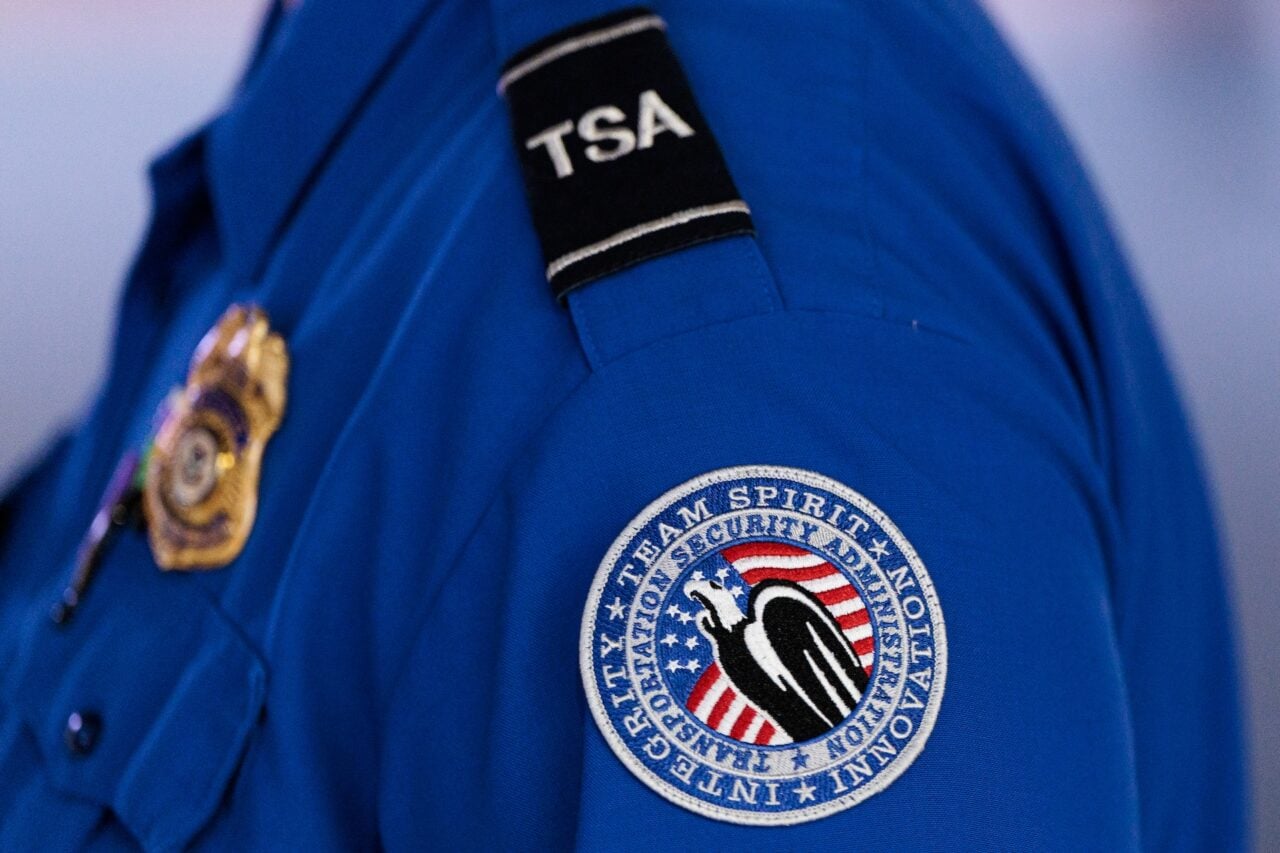
The Transportation Security Administration (TSA) has begun transferring the names of domestic air travelers to Immigration and Customs Enforcement (ICE), according to a recent report by the New York Times. This marks a significant shift in the TSA’s role, as the agency has historically not been involved in deportation efforts. Reports indicate that this new practice commenced in March 2023 and involves the TSA providing lists to ICE “multiple times a week” of individuals traveling through U.S. airports.
The lists provided by the TSA are cross-referenced with databases that identify individuals the Trump administration claims are subject to deportation. The New York Times highlights concerns regarding the accuracy of these claims, noting that ICE has previously deported individuals who were not legally eligible for deportation. A notable case is that of Kilmar Abrego Garcia, who was ordered released by a judge yet faced deportation.
One of the individuals reportedly affected by this new information-sharing arrangement is Any Lucía López Belloza, a 19-year-old who was apprehended at Boston Logan Airport on November 20, 2023. Despite a ruling from a judge on November 21 that she should not be deported, López Belloza was deported to Honduras shortly thereafter. This incident raises questions about the effectiveness and ethics of the TSA-ICE collaboration.
The TSA’s cooperation with ICE comes at a time when the Trump administration has reduced the number of refugees allowed into the United States, setting the cap at just 7,500 for the 2026 fiscal year, which began in October 2023. This figure stands in stark contrast to the 125,000 refugee admissions permitted under President Joe Biden’s administration. The focus on airports for deportation actions is attributed to the fact that travelers have already undergone security screenings, making it an appealing target for ICE agents.
The decision to share traveler information has sparked significant concern among civil liberties advocates. Critics argue that it is highly unusual for the TSA to provide lists of passengers to a law enforcement agency for deportation purposes. As Brad Heath, a reporter for Reuters, pointed out, the government typically does not engage in such practices for wanted criminals.
The implications of this policy extend beyond mere statistics, affecting the lives of individuals and families. The case of López Belloza exemplifies the potential for unlawful deportations under this new system.
While the cooperation between the TSA and ICE has been framed as a necessary measure for national security, it has also raised alarms about racial profiling and the prioritization of certain demographics over others. Many have noted that the rhetoric surrounding immigration has taken a divisive turn, with President Trump previously making derogatory remarks about immigrants from specific countries. This context has led to a heightened scrutiny of policies that disproportionately affect marginalized communities.
As this situation develops, the balance between security and civil rights remains a contentious topic in the United States. With the TSA now playing a role in immigration enforcement, the conversation around the implications of such a partnership is likely to continue to evolve.

Mets Secure Jorge Polanco with Two-Year, $40 Million Contract

John Cena Faces Gunther in Final WWE Match on December 13

New Insights Into How Myotonic Dystrophy Affects Gut Muscle Function

Volunteers Honor Veterans with Wreaths Across America Ceremony

Elon Musk Clashes with Gavin Newsom Over Transgender Issues

Stem Cells’ Role in Myelodysplastic Syndrome Uncovered

Investors Eye Potential Santa Rally: Nvidia and Oracle in Focus

Comedy Legend Dick Van Dyke Celebrates 100th Birthday Milestone

Trump Administration Plans Major Staffing Cuts at Veterans Affairs

Libraries Challenge Rising E-Book Costs Amid Growing Demand

Tyreek Hill Responds to Tua Tagovailoa’s Comments on Team Dynamics

Liverpool Secures Agreement to Sign Young Striker Will Wright

Save Your Split Tomatoes: Expert Tips for Gardeners

Princess Beatrice’s Daughter Athena Joins Siblings at London Parade

San Francisco Hosts Unique Contest to Identify “Performative Males”

Winter Storms Lash New South Wales with Snow, Flood Risks

Trump Administration Moves to Repeal Key Climate Regulation

SoFi Technologies Shares Slip 2% Following Insider Stock Sale
-
 Lifestyle5 months ago
Libraries Challenge Rising E-Book Costs Amid Growing Demand
-
 Sports4 months ago
Tyreek Hill Responds to Tua Tagovailoa’s Comments on Team Dynamics
-
 Sports5 months ago
Liverpool Secures Agreement to Sign Young Striker Will Wright
-
 Lifestyle5 months ago
Save Your Split Tomatoes: Expert Tips for Gardeners
-
 Lifestyle5 months ago
Princess Beatrice’s Daughter Athena Joins Siblings at London Parade
-
 Science4 months ago
San Francisco Hosts Unique Contest to Identify “Performative Males”
-
 World4 months ago
Winter Storms Lash New South Wales with Snow, Flood Risks
-
 Science5 months ago
Trump Administration Moves to Repeal Key Climate Regulation
-
 Business5 months ago
SoFi Technologies Shares Slip 2% Following Insider Stock Sale
-

 Science5 months ago
New Tool Reveals Link Between Horse Coat Condition and Parasites
-

 Sports5 months ago
Elon Musk Sculpture Travels From Utah to Yosemite National Park
-

 Science5 months ago
New Study Confirms Humans Transported Stonehenge Bluestones