
Politics
Senate Approves $740 Billion Defense Bill for Presidential Signature

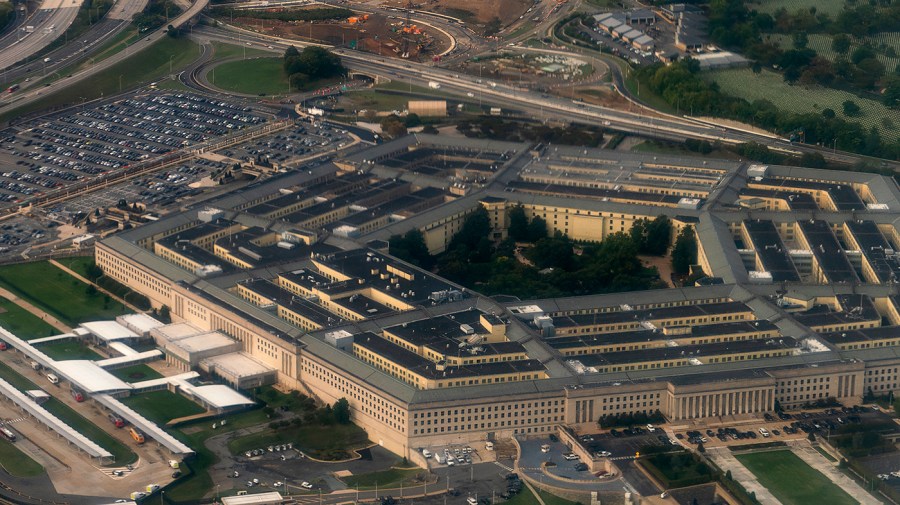
The United States Senate has approved the National Defense Authorization Act (NDAA), a significant piece of legislation that outlines defense priorities and authorizes spending for the upcoming fiscal year. On December 7, 2023, senators voted overwhelmingly with a tally of 77-20 in favor, reflecting bipartisan support for the more than 3,000-page bill. The proposed budget for defense stands at approximately $740 billion, underscoring the government’s commitment to national security.
This annual defense policy bill establishes crucial funding levels for the Department of Defense and various military programs. It also addresses a range of defense-related issues, including military personnel policies, equipment procurement, and resources for international alliances. The NDAA serves as a vital framework for U.S. defense strategy, providing clarity on priorities and ensuring military readiness.
Key Provisions and Implications
Among the notable provisions of the NDAA is an increase in pay for military personnel, which aims to enhance the welfare of service members and their families. The bill also includes funding for advanced weaponry and technology, reflecting the evolving nature of global threats and the need for modernization within the armed forces.
In addition to funding allocations, the NDAA emphasizes the importance of partnerships with allied nations and addresses challenges posed by adversaries on the global stage. This includes measures to counter cyber threats and bolster defense capabilities, ensuring that the United States remains prepared to respond to any emerging threats.
The legislation is now set to be sent to President Donald Trump, who is expected to sign it into law. This step will finalize the funding and policy direction for the upcoming year, enabling the Department of Defense to allocate resources effectively and maintain operational readiness.
Bipartisan Support and Future Outlook
The strong bipartisan vote reflects a consensus among lawmakers on the importance of national defense, despite the often contentious political climate. Key senators from both parties expressed the necessity of the NDAA in safeguarding the nation and addressing the complex security landscape.
As the bill moves to the President’s desk, officials and analysts will scrutinize its implications for both military personnel and the defense industry. The approval of the NDAA not only sets fiscal priorities but also reinforces the United States’ commitment to maintaining a robust defense posture in an increasingly uncertain world.
The finalization of this legislation marks a significant moment in U.S. defense policy, paving the way for new initiatives and enhancements that will shape the military’s future.

U.S. Treasury’s Penny Phase-Out Sparks Cost Concerns for Consumers

Kevin Bacon’s Thriller Series ‘The Following’ Joins Netflix in 2026

Chicago Pizzamaker Triumphs Over Cancer, Celebrates Big Win

Daughter Seeks Closure After Mother’s Passing and Estrangement

Pope Leo XIV Appoints Ronald Hicks as New Archbishop of New York

Biotech Sector Sees Profitability Growth as Companies Mature

Indian Corporates Show Unprecedented Strength in Credit Quality

Traditional ‘Shepherds’ Play’ Celebrates 40 Years in Cayuga County

New York Giants Doctor Warns Against False Hopes in Regenerative Medicine

Libraries Challenge Rising E-Book Costs Amid Growing Demand

Tyreek Hill Responds to Tua Tagovailoa’s Comments on Team Dynamics

Liverpool Secures Agreement to Sign Young Striker Will Wright

Save Your Split Tomatoes: Expert Tips for Gardeners

Princess Beatrice’s Daughter Athena Joins Siblings at London Parade

San Francisco Hosts Unique Contest to Identify “Performative Males”

Winter Storms Lash New South Wales with Snow, Flood Risks

Trump Administration Moves to Repeal Key Climate Regulation

SoFi Technologies Shares Slip 2% Following Insider Stock Sale
-
 Lifestyle5 months ago
Libraries Challenge Rising E-Book Costs Amid Growing Demand
-
 Sports5 months ago
Tyreek Hill Responds to Tua Tagovailoa’s Comments on Team Dynamics
-
 Sports5 months ago
Liverpool Secures Agreement to Sign Young Striker Will Wright
-
 Lifestyle5 months ago
Save Your Split Tomatoes: Expert Tips for Gardeners
-
 Lifestyle5 months ago
Princess Beatrice’s Daughter Athena Joins Siblings at London Parade
-
 Science4 months ago
San Francisco Hosts Unique Contest to Identify “Performative Males”
-
 World5 months ago
Winter Storms Lash New South Wales with Snow, Flood Risks
-
 Science5 months ago
Trump Administration Moves to Repeal Key Climate Regulation
-
 Business5 months ago
SoFi Technologies Shares Slip 2% Following Insider Stock Sale
-

 Science5 months ago
New Tool Reveals Link Between Horse Coat Condition and Parasites
-

 Sports5 months ago
Elon Musk Sculpture Travels From Utah to Yosemite National Park
-

 Science5 months ago
New Study Confirms Humans Transported Stonehenge Bluestones