
Politics
Activist Group Files Judicial Misconduct Complaint Against Judge

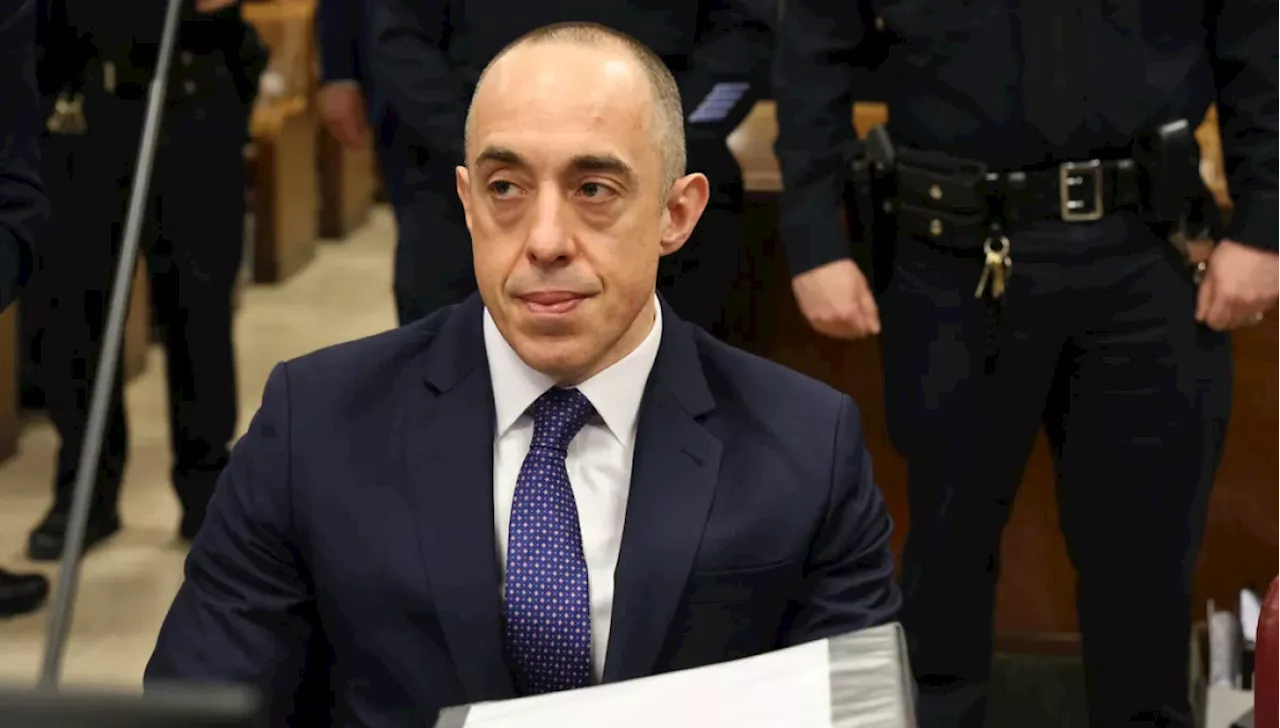
An activist group has lodged a judicial misconduct complaint against Judge Emil Bove, a member of the U.S. Court of Appeals for the 3rd Circuit, for attending a speech delivered by President Donald Trump in Pennsylvania. The complaint was filed by Fix the Court, a nonpartisan organization advocating for court reform, which has left-leaning affiliations. The event, held in the Poconos, has raised concerns regarding the ethical implications of a federal judge participating in what some describe as a politically charged atmosphere.
The complaint specifically points to ethical guidelines that judges are expected to follow. Fix the Court asserts that Bove’s attendance at the rally compromised the integrity of the judiciary. In the complaint, the group highlighted that “Canon 2 states that a judge ‘should avoid impropriety and the appearance of impropriety in all activities,’” suggesting that Judge Bove’s presence at the rally violated this principle. The complaint also referenced Canon 5, which advises judges to refrain from political activities.
Critics within the activist group argue that Bove, appointed by Trump and previously serving as principal associate deputy attorney general at the Department of Justice, should have recognized the event’s partisan nature. “It should have been obvious to Judge Bove… that this was a highly charged, highly political event that no federal judge should have been within shouting distance of,” wrote Gabe Roth, the executive director of Fix the Court.
In response to the complaint, some support Bove’s right to attend the event as a private citizen. Supporters argue that attending a public speech by the President of the United States is a constitutional right. Cheung, a commentator on judicial matters, defended Bove, stating, “An American citizen is at an event listening to the President of the United States speak.”
The complaint highlights broader concerns about judicial conduct, particularly regarding judges who may express political views publicly. Slattery, another commentator, emphasized the need for accountability among judges, questioning why there is not similar outrage directed at judges who have criticized the judicial branch in the media.
This controversy comes amid ongoing discussions about judicial impartiality and the role of federal judges in political settings. As the situation develops, it raises significant questions about the boundaries of judicial conduct and the expectations for judges in politically sensitive environments.
As of April 25, 2024, the outcome of the complaint against Judge Bove remains uncertain. The case adds to a growing discourse on how judges navigate their roles within a politically charged landscape, highlighting the delicate balance between personal freedoms and professional responsibilities. The implications of such complaints could influence future judicial appointments and the public’s trust in the judicial system.

Bulgaria’s Government Resigns Amid Mass Protests Before Eurozone Entry

Absolute Joker Seizes Batman’s Legacy in Shocking Twist

Physician-Developed Eyelash Serum Promises Rapid Transformation

Time Magazine Names Architects of AI as 2025 Person of the Year

Venezuelan Leader María Corina Machado Honored with Nobel Peace Prize

New Algorithm Tackles Space Debris with Innovative Approach

Chris Culliver to Transfer from UNC Football Program This Winter

China Targets Domestic Demand Growth in 2026 Policy Roadmap

Chris Culliver Announces Transfer from UNC Football Program

Libraries Challenge Rising E-Book Costs Amid Growing Demand

Tyreek Hill Responds to Tua Tagovailoa’s Comments on Team Dynamics

Liverpool Secures Agreement to Sign Young Striker Will Wright

Save Your Split Tomatoes: Expert Tips for Gardeners

Princess Beatrice’s Daughter Athena Joins Siblings at London Parade

San Francisco Hosts Unique Contest to Identify “Performative Males”

Winter Storms Lash New South Wales with Snow, Flood Risks

Trump Administration Moves to Repeal Key Climate Regulation

SoFi Technologies Shares Slip 2% Following Insider Stock Sale
-
 Lifestyle5 months ago
Libraries Challenge Rising E-Book Costs Amid Growing Demand
-
 Sports4 months ago
Tyreek Hill Responds to Tua Tagovailoa’s Comments on Team Dynamics
-
 Sports5 months ago
Liverpool Secures Agreement to Sign Young Striker Will Wright
-
 Lifestyle5 months ago
Save Your Split Tomatoes: Expert Tips for Gardeners
-
 Lifestyle4 months ago
Princess Beatrice’s Daughter Athena Joins Siblings at London Parade
-
 Science4 months ago
San Francisco Hosts Unique Contest to Identify “Performative Males”
-
 World4 months ago
Winter Storms Lash New South Wales with Snow, Flood Risks
-
 Science5 months ago
Trump Administration Moves to Repeal Key Climate Regulation
-
 Business5 months ago
SoFi Technologies Shares Slip 2% Following Insider Stock Sale
-

 Science5 months ago
New Tool Reveals Link Between Horse Coat Condition and Parasites
-

 Sports5 months ago
Elon Musk Sculpture Travels From Utah to Yosemite National Park
-

 Science5 months ago
New Study Confirms Humans Transported Stonehenge Bluestones