
Lifestyle
Dripping Faucets: Essential Winter Tips to Prevent Frozen Pipes

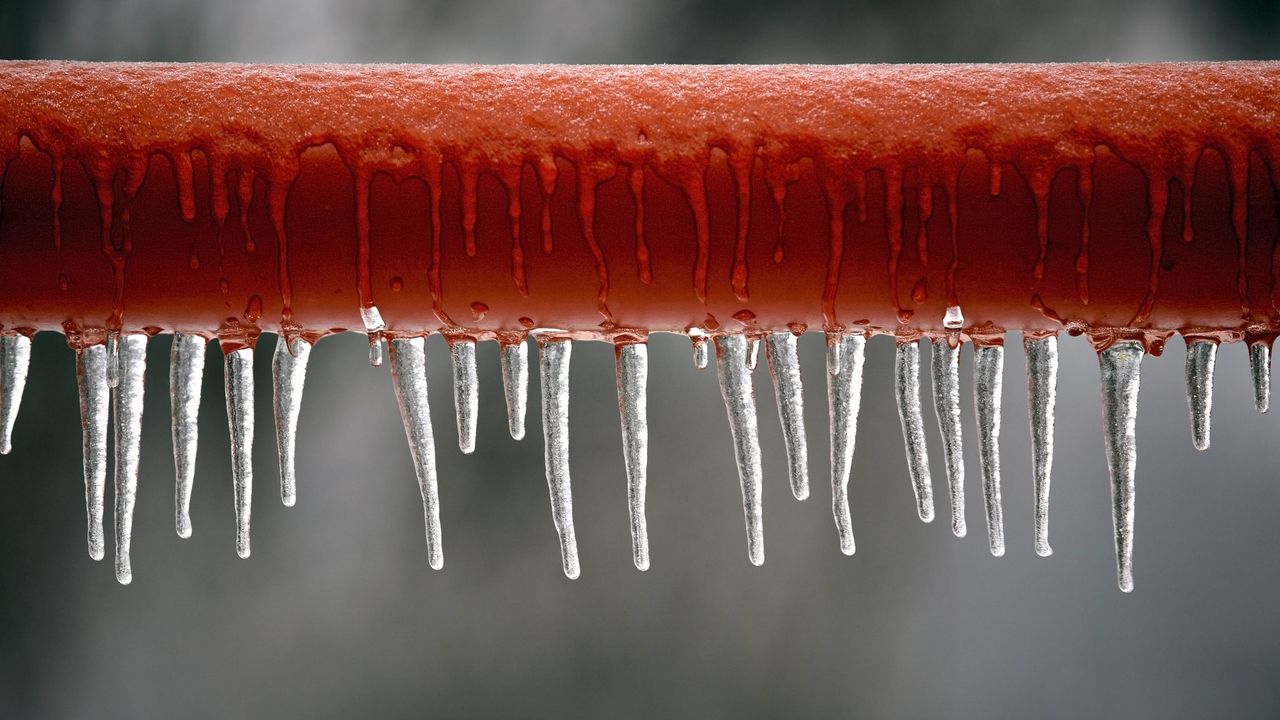
As winter temperatures plummet, homeowners face the challenge of preventing frozen pipes. One effective method is to allow faucets to drip, but knowing when and how to do this correctly is crucial. Experts recommend starting this practice when temperatures drop to 20°F (-6°C) or lower. This threshold signals a heightened risk of pipe freezing, which can lead to costly damage.
Understanding when to start dripping is essential. When forecasts indicate that temperatures will dip to 20°F for an extended period, particularly overnight, it’s time to take action. Dripping faucets serves two primary purposes: it keeps water moving, which hinders ice formation, and it alleviates pressure that can build up within pipes. When water freezes and expands, it can create an ice blockage. If both ends of the pipe are sealed, the pressure can cause the pipe to burst. A slow drip provides an outlet for this pressure, reducing the risk of damage.
Identify Vulnerable Faucets
Not every faucet in the home requires dripping. Homeowners should focus on those connected to pipes that run along exterior walls, through unheated spaces like attics or garages, or in crawl spaces. These are the areas most susceptible to freezing temperatures. Interior pipes, which are surrounded by heated air, are generally safe.
To prioritize which faucets to drip, walk through your home and identify sinks located on outside walls. Common culprits include bathroom and kitchen sinks. If your home has a utility sink in an unheated area, such as a garage or basement, that faucet should also be included. Avoid dripping faucets located on interior walls or in consistently heated areas, as this would waste water and increase utility bills.
Setting the Right Drip
Achieving the correct drip rate is essential. The goal is a slow, steady trickle of water, approximately the thickness of a pencil lead. This flow should be enough to keep water moving without wasting resources. For faucets with separate hot and cold handles, open both slightly to allow water to flow from both lines. For single-handle faucets, position the handle in the middle to draw from both hot and cold supplies. The ideal drip will produce individual drops that merge into a thin stream, avoiding both too slow and too fast a flow.
In addition to dripping faucets, another helpful tip is to open cabinet doors under sinks located on exterior walls. This allows warm air from your home to circulate around the pipes, preventing cold air from causing freezing. This method can be particularly effective in kitchens and bathrooms. If children or pets are present, ensure that any hazardous materials are moved out of reach before leaving the cabinet doors open.
Outdoor Faucet Protection
Outdoor spigots, or hose bibs, require specific attention to prevent freezing. If your home has a dedicated shutoff valve for outdoor faucets, turn it off before temperatures drop. After shutting the valve, open the outdoor faucet to drain any remaining water from the line. It is also important to disconnect garden hoses, as trapped water in these hoses can freeze and damage the spigot.
For homes without a shutoff valve for outdoor faucets, consider wrapping each spigot with old towels or rags, and cover them with plastic to keep moisture out. Foam faucet covers, available at hardware stores, can also provide insulation against freezing temperatures.
By following these guidelines, homeowners can effectively minimize the risk of frozen pipes this winter. Taking proactive steps not only protects the integrity of plumbing systems but also saves on costly repairs associated with burst pipes.

Christmas Celebration in Prison Helps Mend Father-Daughter Bond

Democrats Face Challenges as Progressives Rise Ahead of 2026 Elections

Earth Faces Hidden Threats from Cosmic Airbursts, Study Reveals

Rams Coach McVay Questions Controversial 2-Point Conversion Call

Frontier Airlines Ceases Operations at Everett After Seven Months

Democrats Face Internal Struggles as 2026 Elections Approach

Dripping Faucets: Essential Winter Tips to Prevent Frozen Pipes

Americafest 2025 Launches in Phoenix Following Charlie Kirk’s Death

NASA Unveils Stunning Image of France for Science Calendar

Libraries Challenge Rising E-Book Costs Amid Growing Demand

Tyreek Hill Responds to Tua Tagovailoa’s Comments on Team Dynamics

Liverpool Secures Agreement to Sign Young Striker Will Wright

Save Your Split Tomatoes: Expert Tips for Gardeners

Princess Beatrice’s Daughter Athena Joins Siblings at London Parade

San Francisco Hosts Unique Contest to Identify “Performative Males”

Winter Storms Lash New South Wales with Snow, Flood Risks

Trump Administration Moves to Repeal Key Climate Regulation

New Tool Reveals Link Between Horse Coat Condition and Parasites
-
 Lifestyle5 months ago
Libraries Challenge Rising E-Book Costs Amid Growing Demand
-
 Sports5 months ago
Tyreek Hill Responds to Tua Tagovailoa’s Comments on Team Dynamics
-
 Sports5 months ago
Liverpool Secures Agreement to Sign Young Striker Will Wright
-
 Lifestyle5 months ago
Save Your Split Tomatoes: Expert Tips for Gardeners
-
 Lifestyle5 months ago
Princess Beatrice’s Daughter Athena Joins Siblings at London Parade
-
 Science4 months ago
San Francisco Hosts Unique Contest to Identify “Performative Males”
-
 World5 months ago
Winter Storms Lash New South Wales with Snow, Flood Risks
-
 Science5 months ago
Trump Administration Moves to Repeal Key Climate Regulation
-
 Science5 months ago
New Tool Reveals Link Between Horse Coat Condition and Parasites
-

 Business5 months ago
SoFi Technologies Shares Slip 2% Following Insider Stock Sale
-

 Sports5 months ago
Elon Musk Sculpture Travels From Utah to Yosemite National Park
-

 Science5 months ago
New Study Confirms Humans Transported Stonehenge Bluestones