
Health
UMass Memorial Secures Approval for $54 Million Cancer Facility

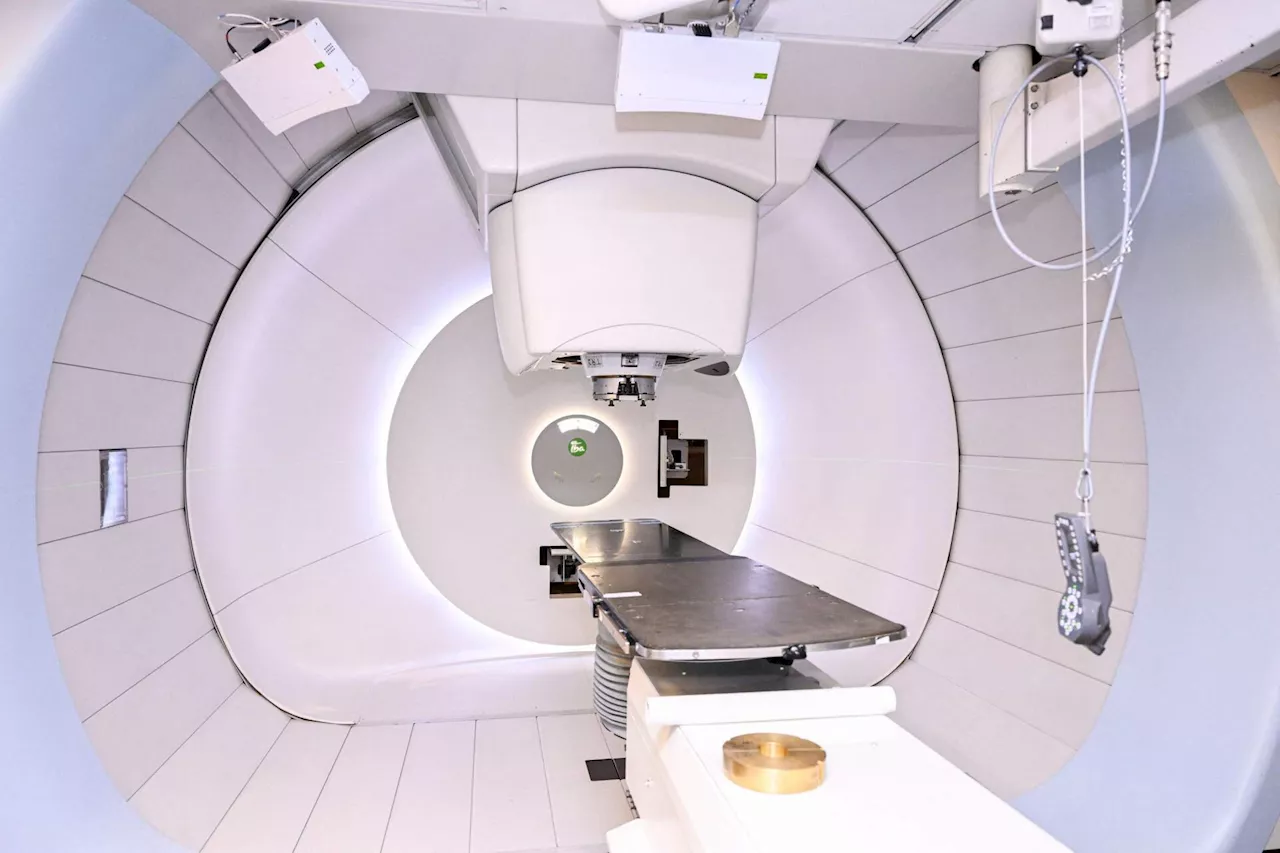
A state board has approved UMass Memorial Health’s proposal to construct a new cancer care facility in Marlborough, Massachusetts, with a budget of $54 million. The facility will provide proton therapy, a targeted alternative to conventional radiation treatment, which often involves X-rays. This advancement aims to enhance local access to cancer care for patients who currently travel significant distances for treatment.
The state Public Health Council’s decision marks a significant step forward in cancer treatment options for Central Massachusetts residents. Proton therapy employs a focused beam of charged protons to treat tumors, minimizing radiation exposure to surrounding healthy tissue. According to UMass Memorial, the new facility will improve health outcomes for patients while addressing the rising incidence of cancer cases in the region.
Shelly Hazlett, a spokesperson for UMass Memorial, emphasized the project’s importance in enhancing patient care. In an email, she stated, “As the incidence of cancer cases rises in Central Massachusetts and throughout the state, we’re committed to remaining a leader in clinical innovation. This project is a critical component of improving the health and quality of life of the patients that entrust us with their care.”
Currently, there are only two proton therapy units in New England, both located at the Massachusetts General Hospital in Boston. These units serve approximately 640 patients annually, as reported by state public health officials. Many patients in Massachusetts have been forced to travel to facilities in New York or other distant locations to receive proton treatment due to its limited availability.
The announcement of UMass Memorial’s facility coincides with Dana-Farber’s plans to establish a proton therapy center in Boston’s Longwood neighborhood, a project estimated at $50 million that is still under review. Dr. Allison O’Neill, vice president for clinical performance management at Dana-Farber, noted the existing unmet need for this type of treatment.
Proponents of proton therapy highlight its benefits, particularly for children, as it allows for precise tumor targeting while reducing damage to healthy tissues. Despite its advantages, the high costs associated with proton therapy have historically raised questions among critics regarding its overall value. Ongoing studies continue to evaluate these claims, while UMass Memorial leaders assert that recent technological advancements have made the treatment more affordable. They also suggest that proton therapy can potentially lower healthcare costs by reducing the need for extensive follow-up care and improving patients’ quality of life.
With the growing demand for advanced cancer treatments, the establishment of the new facility is poised to significantly impact patient care in Central Massachusetts. As cancer incidence rates increase, UMass Memorial’s commitment to innovation and accessibility reflects a broader trend in healthcare aimed at improving outcomes for patients facing serious health challenges.

Bulgaria’s Government Resigns Amid Mass Protests Before Eurozone Entry

Absolute Joker Seizes Batman’s Legacy in Shocking Twist

Physician-Developed Eyelash Serum Promises Rapid Transformation

Time Magazine Names Architects of AI as 2025 Person of the Year

Venezuelan Leader María Corina Machado Honored with Nobel Peace Prize

New Algorithm Tackles Space Debris with Innovative Approach

Chris Culliver to Transfer from UNC Football Program This Winter

China Targets Domestic Demand Growth in 2026 Policy Roadmap

Chris Culliver Announces Transfer from UNC Football Program

Libraries Challenge Rising E-Book Costs Amid Growing Demand

Tyreek Hill Responds to Tua Tagovailoa’s Comments on Team Dynamics

Liverpool Secures Agreement to Sign Young Striker Will Wright

Save Your Split Tomatoes: Expert Tips for Gardeners

Princess Beatrice’s Daughter Athena Joins Siblings at London Parade

San Francisco Hosts Unique Contest to Identify “Performative Males”

Winter Storms Lash New South Wales with Snow, Flood Risks

Trump Administration Moves to Repeal Key Climate Regulation

SoFi Technologies Shares Slip 2% Following Insider Stock Sale
-
 Lifestyle5 months ago
Libraries Challenge Rising E-Book Costs Amid Growing Demand
-
 Sports4 months ago
Tyreek Hill Responds to Tua Tagovailoa’s Comments on Team Dynamics
-
 Sports5 months ago
Liverpool Secures Agreement to Sign Young Striker Will Wright
-
 Lifestyle5 months ago
Save Your Split Tomatoes: Expert Tips for Gardeners
-
 Lifestyle4 months ago
Princess Beatrice’s Daughter Athena Joins Siblings at London Parade
-
 Science4 months ago
San Francisco Hosts Unique Contest to Identify “Performative Males”
-
 World4 months ago
Winter Storms Lash New South Wales with Snow, Flood Risks
-
 Science5 months ago
Trump Administration Moves to Repeal Key Climate Regulation
-
 Business5 months ago
SoFi Technologies Shares Slip 2% Following Insider Stock Sale
-

 Science5 months ago
New Tool Reveals Link Between Horse Coat Condition and Parasites
-

 Sports5 months ago
Elon Musk Sculpture Travels From Utah to Yosemite National Park
-

 Science5 months ago
New Study Confirms Humans Transported Stonehenge Bluestones