
Health
Lawmakers Face Pressure on Healthcare Subsidies and Abortion Rights

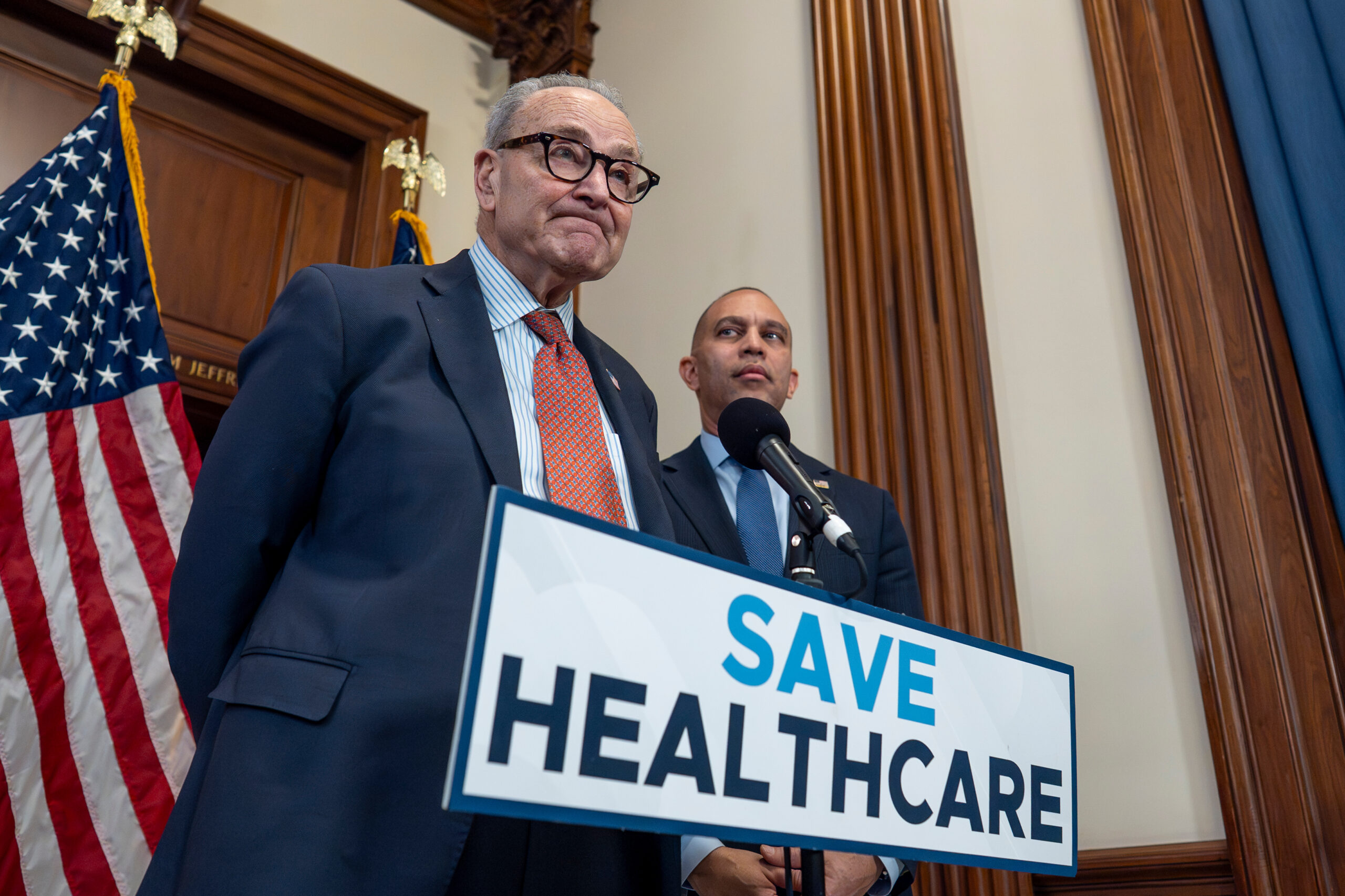
The debate surrounding health care subsidies in the United States remains entangled with the contentious issue of abortion rights. Both abortion-rights and anti-abortion groups are intensifying their lobbying efforts, warning lawmakers that any deviation from their established positions could have significant repercussions in the upcoming midterm elections.
The stakes are high as lawmakers navigate the complex landscape of public opinion and political affiliation. According to a recent survey by the Pew Research Center, approximately 70% of Americans support access to safe and legal abortion services. This statistic amplifies the pressure on politicians to align their health care policies with the prevailing sentiment among their constituents.
Political Pressure Mounts Ahead of Midterms
As the midterm elections approach, both sides of the abortion debate are exerting considerable influence over health care subsidy discussions. Abortion-rights advocates are emphasizing the need for comprehensive health care that includes reproductive services, while anti-abortion groups are pushing for stricter regulations that could limit access to these services.
September 2023 has emerged as a critical month for lawmakers to solidify their positions. Political analysts suggest that any legislative decisions made now could sway voter sentiment significantly as individuals prepare to head to the polls. The National Abortion Federation and the Susan B. Anthony List, two prominent organizations on opposing sides, are mobilizing their resources to ensure their messages resonate during this pivotal election cycle.
Recent statements from both groups highlight the urgency of their campaigns.
“Lawmakers who ignore the voices of their constituents will face consequences at the ballot box,”
said Marjorie Dannenfelser, president of the Susan B. Anthony List. In contrast, Dr. Leana Wen, a prominent figure in the abortion-rights movement, stated,
“Access to health care, including abortion, is a fundamental right that must be protected.”
Implications for Health Care Subsidies
The intertwining of health care subsidies and abortion rights complicates the already challenging landscape of U.S. health policy. Lawmakers are tasked with balancing the need for comprehensive health care with the diverse opinions of their constituents.
As federal funding discussions unfold, the potential impacts on various demographics are becoming clearer. Low-income individuals and families, who often depend on government assistance for health care, could be disproportionately affected by any legislative changes designed to limit abortion access.
The potential reduction or elimination of health care subsidies for reproductive services poses a significant risk to women’s health. Advocates argue that limiting access to such services could lead to increased health complications and financial strain for vulnerable populations.
With just weeks remaining before the midterms, lawmakers must make critical decisions that will not only shape health care policy but also influence their political futures. The intersection of health care subsidies and abortion rights remains a pressing issue that requires careful consideration and prompt action.

U.S. Treasury’s Penny Phase-Out Sparks Cost Concerns for Consumers

Kevin Bacon’s Thriller Series ‘The Following’ Joins Netflix in 2026

Chicago Pizzamaker Triumphs Over Cancer, Celebrates Big Win

Daughter Seeks Closure After Mother’s Passing and Estrangement

Pope Leo XIV Appoints Ronald Hicks as New Archbishop of New York

Biotech Sector Sees Profitability Growth as Companies Mature

Indian Corporates Show Unprecedented Strength in Credit Quality

Traditional ‘Shepherds’ Play’ Celebrates 40 Years in Cayuga County

New York Giants Doctor Warns Against False Hopes in Regenerative Medicine

Libraries Challenge Rising E-Book Costs Amid Growing Demand

Tyreek Hill Responds to Tua Tagovailoa’s Comments on Team Dynamics

Liverpool Secures Agreement to Sign Young Striker Will Wright

Save Your Split Tomatoes: Expert Tips for Gardeners

Princess Beatrice’s Daughter Athena Joins Siblings at London Parade

San Francisco Hosts Unique Contest to Identify “Performative Males”

Winter Storms Lash New South Wales with Snow, Flood Risks

Trump Administration Moves to Repeal Key Climate Regulation

SoFi Technologies Shares Slip 2% Following Insider Stock Sale
-
 Lifestyle5 months ago
Libraries Challenge Rising E-Book Costs Amid Growing Demand
-
 Sports5 months ago
Tyreek Hill Responds to Tua Tagovailoa’s Comments on Team Dynamics
-
 Sports5 months ago
Liverpool Secures Agreement to Sign Young Striker Will Wright
-
 Lifestyle5 months ago
Save Your Split Tomatoes: Expert Tips for Gardeners
-
 Lifestyle5 months ago
Princess Beatrice’s Daughter Athena Joins Siblings at London Parade
-
 Science4 months ago
San Francisco Hosts Unique Contest to Identify “Performative Males”
-
 World5 months ago
Winter Storms Lash New South Wales with Snow, Flood Risks
-
 Science5 months ago
Trump Administration Moves to Repeal Key Climate Regulation
-
 Business5 months ago
SoFi Technologies Shares Slip 2% Following Insider Stock Sale
-

 Science5 months ago
New Tool Reveals Link Between Horse Coat Condition and Parasites
-

 Sports5 months ago
Elon Musk Sculpture Travels From Utah to Yosemite National Park
-

 Science5 months ago
New Study Confirms Humans Transported Stonehenge Bluestones