
Health
CDC Advisory Panel Revises Hepatitis B Vaccine Guidelines for Infants

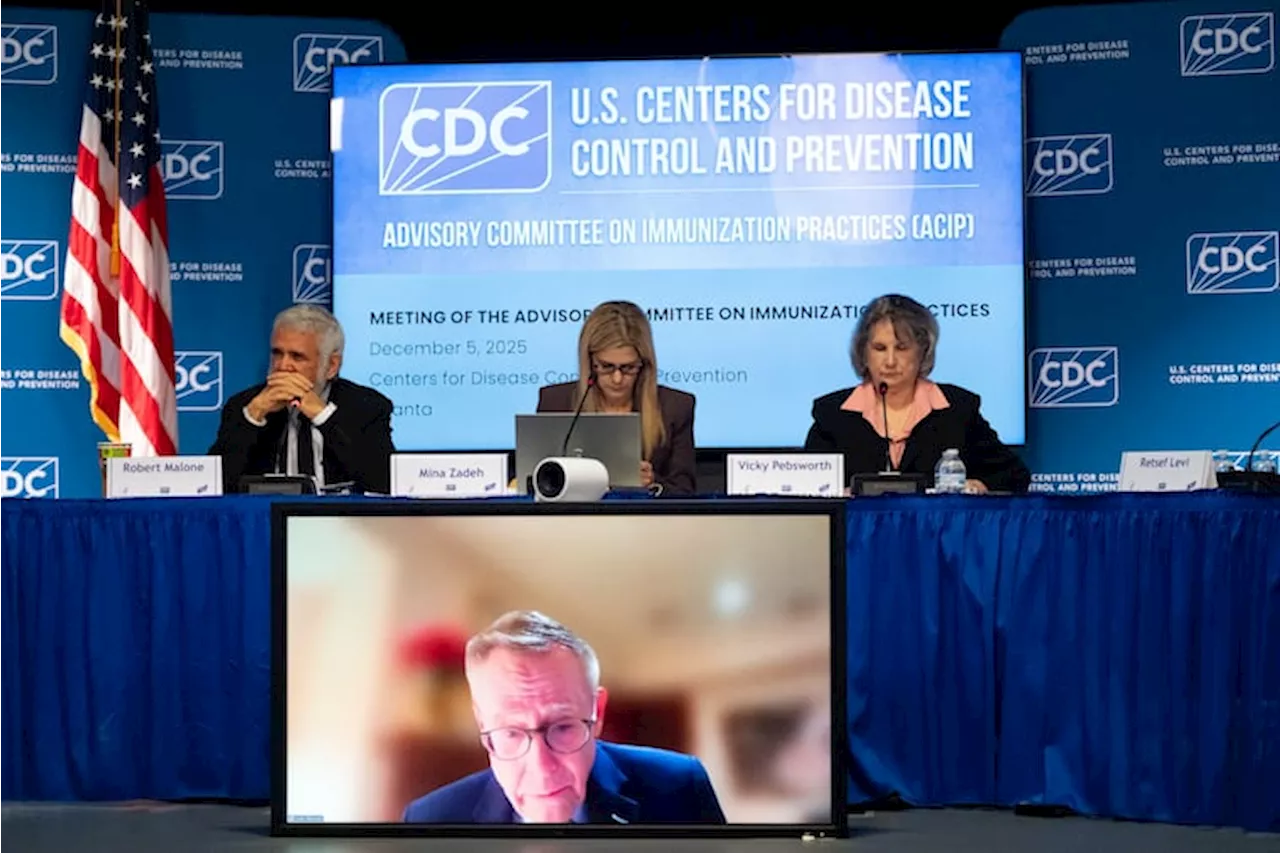
The Advisory Committee on Immunization Practices (ACIP) voted on March 15, 2024, to limit the recommendation for administering the hepatitis B vaccine to newborns. This decision means that infants will only receive the vaccination at birth if their mothers have not been tested or if they test positive for hepatitis B. The committee’s vote, which concluded with an *8-3* split, has raised significant concerns among health professionals who argue that the change undermines decades of established public health policy.
At the recent meeting held in Atlanta, the ACIP discussed its longstanding recommendation that all infants receive the first dose of the hepatitis B vaccine shortly after birth. The new guidance suggests that if a mother tests negative for hepatitis B, parents should consult their healthcare providers to discuss the risks and benefits of vaccination, potentially delaying the first dose until the child is at least two months old.
Many medical experts have condemned the decision, arguing that it could lead to increased risks for infants. Dr. Paul Offit, a prominent vaccine expert and physician at the *Children’s Hospital of Philadelphia*, criticized the change, stating, “This vaccine is as safe at two months as it is at birth. Why wait until two months?” He emphasized that delaying vaccination poses dangers, particularly given the contagious nature of the hepatitis B virus, which can be transmitted from mother to child during birth or through contact with infected bodily fluids.
Critics of the revised guidelines include *Health and Human Services Secretary Robert F. Kennedy Jr.*, who has faced scrutiny over the committee’s shifting stances on vaccine recommendations. During the discussions, he described the vote as “outrageous,” arguing that all children should receive the protective vaccine as soon as possible to prevent lifelong health complications associated with hepatitis B.
The vaccine’s efficacy in reducing the incidence of hepatitis B among young children is well-documented, with the CDC noting that its administration has played a crucial role in virtually eliminating the virus’s transmission in this demographic. Since 2019, no cases have been reported in Pennsylvania where mothers transmitted the disease to their newborns.
The recent changes in ACIP’s recommendations have sparked a broader debate about the credibility of federal vaccine guidance under the current administration. Critics worry that this decision may confuse parents and health care providers, ultimately leading to lower vaccination rates. A survey conducted last month indicated that while a significant portion of Americans still support the hepatitis B vaccine for newborns, only about 40% correctly identified the disease it prevents.
In response to the committee’s decision, states like Pennsylvania and New Jersey are taking steps to ensure continued access to vaccinations. New directives require that insurance companies cover vaccines as recommended by leading health organizations, including the *American Academy of Pediatrics*, which advocates for administering the hepatitis B vaccine at birth.
As the CDC director considers whether to adopt the ACIP’s new recommendations, experts like Dr. Offit express concern over the potential ramifications. “I think people will feel empowered to say, ‘I don’t want this vaccine because ACIP said I don’t have to get it,’” he warned.
The ongoing discussion surrounding the hepatitis B vaccine reflects broader tensions in public health policy, particularly regarding childhood vaccinations. As health officials navigate these changes, the priority remains clear: safeguarding the health of infants and ensuring that they receive timely and effective vaccinations against preventable diseases.

Texas Tech Claims First Big 12 Championship with Dominant Win

Hawaiian Airlines Restructures Fleet Ahead of 2025 Merger Changes

Reacher Season 4: A Golden Opportunity for Character Returns

FanDuel Offers Major Promotions for College Football Championships

Reacher Season 4 Sparks Hope for Roscoe and Former Allies’ Return

Exploring the Long-Term Effects of Trauma on Physical Health

Texas Tech Celebrates Historic Big 12 Championship Win

Musk Urges Dismantling of EU After $140 Million Fine on X

Supreme Court to Review Trump’s Controversial Citizenship Order

Libraries Challenge Rising E-Book Costs Amid Growing Demand

Tyreek Hill Responds to Tua Tagovailoa’s Comments on Team Dynamics

Liverpool Secures Agreement to Sign Young Striker Will Wright

Save Your Split Tomatoes: Expert Tips for Gardeners

Princess Beatrice’s Daughter Athena Joins Siblings at London Parade

San Francisco Hosts Unique Contest to Identify “Performative Males”

Winter Storms Lash New South Wales with Snow, Flood Risks

Trump Administration Moves to Repeal Key Climate Regulation

SoFi Technologies Shares Slip 2% Following Insider Stock Sale
-
 Lifestyle5 months ago
Libraries Challenge Rising E-Book Costs Amid Growing Demand
-
 Sports4 months ago
Tyreek Hill Responds to Tua Tagovailoa’s Comments on Team Dynamics
-
 Sports4 months ago
Liverpool Secures Agreement to Sign Young Striker Will Wright
-
 Lifestyle4 months ago
Save Your Split Tomatoes: Expert Tips for Gardeners
-
 Lifestyle4 months ago
Princess Beatrice’s Daughter Athena Joins Siblings at London Parade
-
 Science4 months ago
San Francisco Hosts Unique Contest to Identify “Performative Males”
-
 World4 months ago
Winter Storms Lash New South Wales with Snow, Flood Risks
-
 Science5 months ago
Trump Administration Moves to Repeal Key Climate Regulation
-
 Business5 months ago
SoFi Technologies Shares Slip 2% Following Insider Stock Sale
-

 Science5 months ago
New Tool Reveals Link Between Horse Coat Condition and Parasites
-

 Sports4 months ago
Elon Musk Sculpture Travels From Utah to Yosemite National Park
-

 Science5 months ago
New Study Confirms Humans Transported Stonehenge Bluestones