
Business
Federal Reserve Cuts Interest Rates Again, Balancing Inflation and Growth

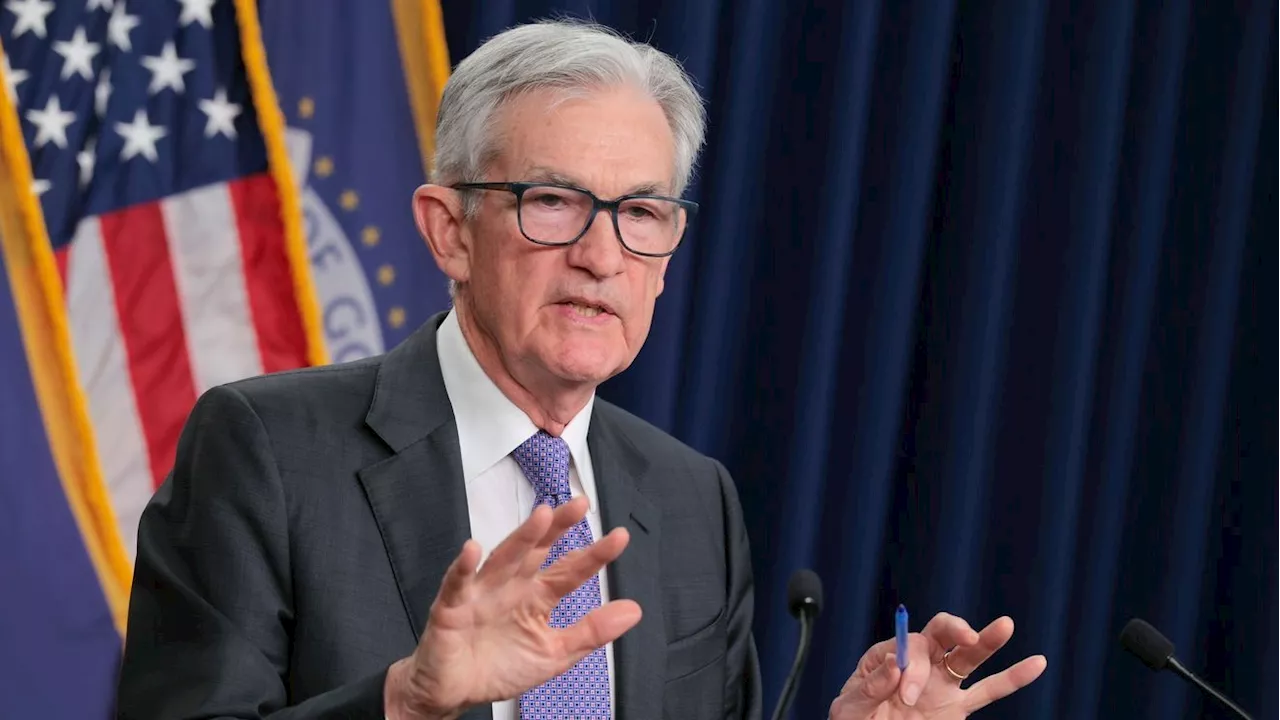
The Federal Reserve has lowered its benchmark interest rate by a quarter percentage point, marking the third reduction of the year. This adjustment brings the rate to a range of 3.5 percent to 3.75 percent. Despite this move, Chair Jerome Powell cautioned that uncertainty looms over the economic landscape, as the central bank strives to navigate persistent inflation and a cooling labor market.
During a press conference on December 10, 2025, Powell expressed the challenges facing policymakers. “In the near term, risks to inflation are tilted to the upside, and risks to employment are tilted to the downside—this creates a challenging situation,” he stated. The Fed aims for inflation to remain close to its 2 percent target, yet recent data shows inflation continuing to exceed this goal.
This latest rate cut comes at a politically sensitive time as President Donald Trump is on the verge of appointing a new Fed chair. Trump indicated that he believes the cuts could have been larger, suggesting they “could have been doubled, at least doubled” during a roundtable discussion. His administration has increasingly linked lower interest rates to the theme of “affordability,” a focal point as the Republicans prepare for the upcoming 2026 midterm elections.
The White House has consistently advocated for rate reductions as a means to alleviate financial burdens on households grappling with years of elevated prices. Trump has made it clear that he expects his next Fed chair to align with this perspective, responding affirmatively when asked if supporting immediate rate cuts would be a litmus test for the position.
Echoing this sentiment, Kevin Hassett, Director of the National Economic Council and a leading candidate for the Fed chair position, remarked that the central bank has “plenty of room to cut rates” and may need to continue lowering them in the coming months. His comments have reinforced market expectations that the current easing cycle is far from finished.
On the other side of the political spectrum, Democrats have criticized the Republican administration for contributing to ongoing affordability issues. Rep. Sarah McBride of Delaware pointed out that the affordability crisis is a result of “a litany of broken promises and billionaire tax breaks,” arguing that the focus on rate cuts overlooks deeper structural problems within the economy.
As Trump travels the country promoting his economic record, he highlights tax cuts and declining energy prices, attempting to bolster his support in advance of the midterms. “We’re bringing it down, and we’re coming down more,” he told supporters during a rally in Pennsylvania, promising further economic relief.
Critics of aggressive rate cuts warn that such measures could lead to increased debt levels and potentially overheat segments of the economy. Nevertheless, the administration maintains that cheaper borrowing will provide immediate relief for consumers, aiming to shape the national conversation on financial issues as the election cycle approaches.
In this complex environment, Powell’s warning about the potential consequences of hastily lowering rates underscores the Fed’s cautious approach. As policymakers strive to balance inflation control with employment growth, the ramifications of these decisions will be closely monitored in the months ahead.

Bulgaria’s Government Resigns Amid Mass Protests Before Eurozone Entry

Absolute Joker Seizes Batman’s Legacy in Shocking Twist

Physician-Developed Eyelash Serum Promises Rapid Transformation

Time Magazine Names Architects of AI as 2025 Person of the Year

Venezuelan Leader María Corina Machado Honored with Nobel Peace Prize

New Algorithm Tackles Space Debris with Innovative Approach

Chris Culliver to Transfer from UNC Football Program This Winter

China Targets Domestic Demand Growth in 2026 Policy Roadmap

Chris Culliver Announces Transfer from UNC Football Program

Libraries Challenge Rising E-Book Costs Amid Growing Demand

Tyreek Hill Responds to Tua Tagovailoa’s Comments on Team Dynamics

Liverpool Secures Agreement to Sign Young Striker Will Wright

Save Your Split Tomatoes: Expert Tips for Gardeners

Princess Beatrice’s Daughter Athena Joins Siblings at London Parade

San Francisco Hosts Unique Contest to Identify “Performative Males”

Winter Storms Lash New South Wales with Snow, Flood Risks

Trump Administration Moves to Repeal Key Climate Regulation

SoFi Technologies Shares Slip 2% Following Insider Stock Sale
-
 Lifestyle5 months ago
Libraries Challenge Rising E-Book Costs Amid Growing Demand
-
 Sports4 months ago
Tyreek Hill Responds to Tua Tagovailoa’s Comments on Team Dynamics
-
 Sports5 months ago
Liverpool Secures Agreement to Sign Young Striker Will Wright
-
 Lifestyle5 months ago
Save Your Split Tomatoes: Expert Tips for Gardeners
-
 Lifestyle4 months ago
Princess Beatrice’s Daughter Athena Joins Siblings at London Parade
-
 Science4 months ago
San Francisco Hosts Unique Contest to Identify “Performative Males”
-
 World4 months ago
Winter Storms Lash New South Wales with Snow, Flood Risks
-
 Science5 months ago
Trump Administration Moves to Repeal Key Climate Regulation
-
 Business5 months ago
SoFi Technologies Shares Slip 2% Following Insider Stock Sale
-

 Science5 months ago
New Tool Reveals Link Between Horse Coat Condition and Parasites
-

 Sports5 months ago
Elon Musk Sculpture Travels From Utah to Yosemite National Park
-

 Science5 months ago
New Study Confirms Humans Transported Stonehenge Bluestones