
Business
Bulgaria’s Government Resigns Amid Mass Protests Before Eurozone Entry

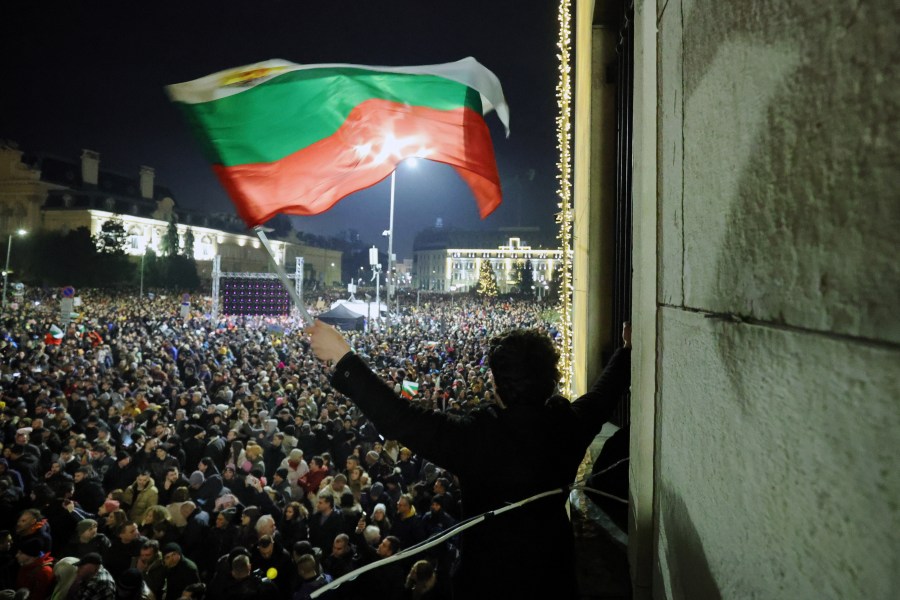
Bulgaria’s government announced its resignation on November 2, 2023, following widespread protests across the nation. This political upheaval comes just weeks before the country is set to join the eurozone, a significant economic milestone. The resignation was revealed shortly before parliament was scheduled to vote on a no-confidence motion initiated by the opposition, which cited economic mismanagement as a key reason for their action.
The minority coalition government, led by the center-right GERB party, had faced mounting criticism over rising inflation and stagnant wages. Prime Minister Nikolai Denkov emphasized the need for stability in his resignation statement, acknowledging the public’s dissatisfaction with the current economic climate.
Protests Sparked by Economic Concerns
The protests that prompted the government’s downfall were fueled by a growing frustration among citizens regarding their economic situation. Thousands took to the streets of Sofia and other major cities, demanding immediate government action to address the rising cost of living and the lack of economic opportunities.
As Bulgaria approaches its planned entry into the eurozone, the protests have raised concerns about the government’s capacity to implement necessary reforms. Critics argue that the current administration has not adequately prepared the country for this significant transition. The opposition has been vocal in its criticism, highlighting the disconnect between the government’s assurances and the reality faced by ordinary Bulgarians.
Implications for Eurozone Membership
Bulgaria’s entry into the eurozone was anticipated to occur in January 2024, marking a historic shift for the nation. However, the recent political instability raises questions about whether the country can meet the eurozone’s stringent criteria. Observers note that a stable government is crucial for implementing the fiscal and economic reforms required to ensure a smooth transition.
The resignation of the GERB-led coalition may lead to a reshuffling of political alliances as parties seek to form a new government capable of addressing the pressing issues facing the nation. As the political landscape evolves, the future of Bulgaria’s eurozone membership remains uncertain.
In the wake of the resignation, analysts will be closely monitoring the situation to determine its impact on both domestic policies and international relations. The protests have underscored the challenges facing Bulgaria as it navigates a critical juncture in its economic development and integration into the European Union.
With the political climate in flux, Bulgaria stands at a crossroads, and the decisions made in the coming weeks will likely shape its economic future for years to come.

Bulgaria’s Government Resigns Amid Mass Protests Before Eurozone Entry

Absolute Joker Seizes Batman’s Legacy in Shocking Twist

Physician-Developed Eyelash Serum Promises Rapid Transformation

Time Magazine Names Architects of AI as 2025 Person of the Year

Venezuelan Leader María Corina Machado Honored with Nobel Peace Prize

New Algorithm Tackles Space Debris with Innovative Approach

Chris Culliver to Transfer from UNC Football Program This Winter

China Targets Domestic Demand Growth in 2026 Policy Roadmap

Chris Culliver Announces Transfer from UNC Football Program

Libraries Challenge Rising E-Book Costs Amid Growing Demand

Tyreek Hill Responds to Tua Tagovailoa’s Comments on Team Dynamics

Liverpool Secures Agreement to Sign Young Striker Will Wright

Save Your Split Tomatoes: Expert Tips for Gardeners

Princess Beatrice’s Daughter Athena Joins Siblings at London Parade

San Francisco Hosts Unique Contest to Identify “Performative Males”

Winter Storms Lash New South Wales with Snow, Flood Risks

Trump Administration Moves to Repeal Key Climate Regulation

SoFi Technologies Shares Slip 2% Following Insider Stock Sale
-
 Lifestyle5 months ago
Libraries Challenge Rising E-Book Costs Amid Growing Demand
-
 Sports4 months ago
Tyreek Hill Responds to Tua Tagovailoa’s Comments on Team Dynamics
-
 Sports5 months ago
Liverpool Secures Agreement to Sign Young Striker Will Wright
-
 Lifestyle5 months ago
Save Your Split Tomatoes: Expert Tips for Gardeners
-
 Lifestyle4 months ago
Princess Beatrice’s Daughter Athena Joins Siblings at London Parade
-
 Science4 months ago
San Francisco Hosts Unique Contest to Identify “Performative Males”
-
 World4 months ago
Winter Storms Lash New South Wales with Snow, Flood Risks
-
 Science5 months ago
Trump Administration Moves to Repeal Key Climate Regulation
-
 Business5 months ago
SoFi Technologies Shares Slip 2% Following Insider Stock Sale
-

 Science5 months ago
New Tool Reveals Link Between Horse Coat Condition and Parasites
-

 Sports5 months ago
Elon Musk Sculpture Travels From Utah to Yosemite National Park
-

 Science5 months ago
New Study Confirms Humans Transported Stonehenge Bluestones