
World
U.S. Forms Alliances with Mexico, EU, and Japan to Challenge China

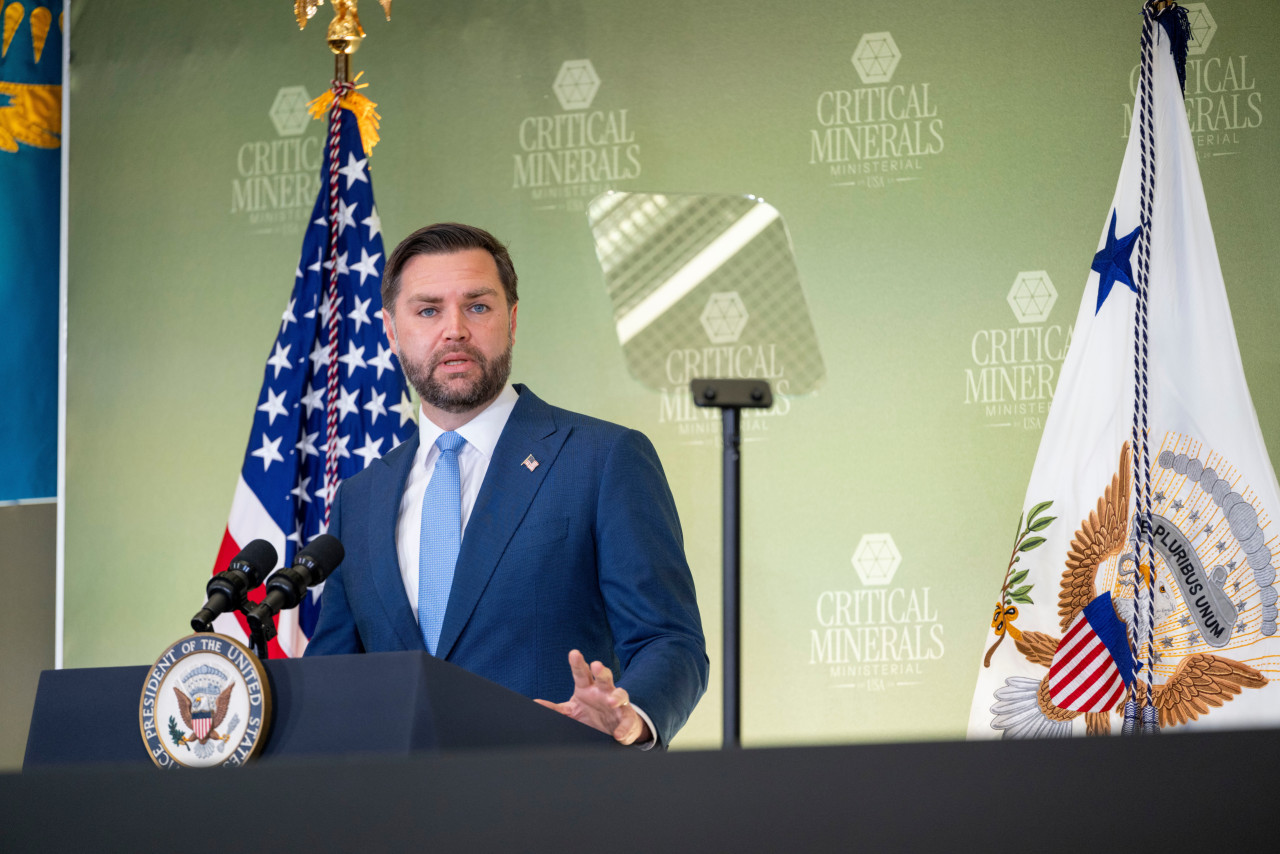
The United States has initiated new partnerships with Mexico, the European Union, and Japan to enhance its position in the global minerals market. This strategic move aims to create a “preferential trade zone” designed to reduce reliance on China, which currently dominates the sector.
These agreements, announced on March 15, 2024, focus on establishing a framework for cooperation in mineral supply chains. The U.S. government is particularly interested in critical minerals essential for technology, renewable energy, and defense. According to official statements from the U.S. Department of Commerce, the collaboration seeks to secure stable and diverse sources of these resources.
Strategic Alliances in the Minerals Market
By working together, the U.S., Mexico, the EU, and Japan aim to foster a combined approach to mineral sourcing and processing. This alliance highlights the growing concerns over supply chain vulnerabilities, especially in light of geopolitical tensions. The U.S. has emphasized that these partnerships will enhance resilience against market fluctuations and potential disruptions caused by external factors.
The plan includes provisions for joint investments in mining operations and technology sharing. This collaborative effort is expected to streamline processes and improve efficiency across member nations. Officials believe that by aligning regulatory frameworks and standards, they can facilitate smoother trade and bolster competitiveness against Chinese suppliers.
The minerals sector is vital for various industries, including electric vehicles, renewable energy technologies, and advanced electronics. Currently, China controls a significant portion of the global supply of rare earth elements and other critical minerals. The U.S. and its allies recognize that establishing a united front is essential to mitigate this dependency.
Implications for Global Trade
The establishment of a preferential trade zone could reshape global trade dynamics. By reducing reliance on China, the U.S. and its partners aim to create a more balanced market environment. This shift could lead to increased investments in local mining projects, creating jobs and boosting economies in participating countries.
Experts suggest that the success of these agreements will depend on effective implementation and commitment from all parties involved. The U.S. will likely face challenges in negotiating terms that satisfy both domestic and international stakeholders. Nevertheless, the potential benefits of enhanced security in mineral supply chains are significant.
Officials from the participating countries have expressed optimism about the future of this alliance. The collaboration represents a proactive stance against market monopolies and aims to promote fair competition. As the global demand for critical minerals continues to rise, this initiative could play a crucial role in shaping the future landscape of the industry.
In conclusion, the U.S.’s new partnerships with Mexico, the EU, and Japan mark a significant step toward enhancing its minerals sector and reducing dependence on China. By establishing a preferential trade zone, these nations are positioning themselves to better navigate the complexities of global trade and secure vital resources for the future.

Knowles CEO Jeffrey Niew Divests Shares Worth Nearly $2 Million

Echo Financial Expands Advisory Services to Higher Education Sector

Luc Besson’s ‘Dracula’ Reimagines Classic Tale as Romantic Drama

Citigroup Lowers IQVIA Price Target to $200, Analysts Respond

Discover Detroit: A Walking Tour Through Its Rich History

Study Reveals Off-Pump CABG Reduces Perioperative Risks

NY Pie Expands with New Location in Nashville’s Capitol View

Rogers Communication vs. PT Telekomunikasi: A Comparative Analysis

Researchers Uncover Genetic Links to Parkinson’s Disease Risk

Libraries Challenge Rising E-Book Costs Amid Growing Demand

Tyreek Hill Responds to Tua Tagovailoa’s Comments on Team Dynamics

Liverpool Secures Agreement to Sign Young Striker Will Wright

Save Your Split Tomatoes: Expert Tips for Gardeners

San Francisco Hosts Unique Contest to Identify “Performative Males”

Princess Beatrice’s Daughter Athena Joins Siblings at London Parade

Elon Musk Sculpture Travels From Utah to Yosemite National Park

Winter Storms Lash New South Wales with Snow, Flood Risks

Trump Administration Moves to Repeal Key Climate Regulation
-
 Lifestyle7 months ago
Libraries Challenge Rising E-Book Costs Amid Growing Demand
-
 Sports6 months ago
Tyreek Hill Responds to Tua Tagovailoa’s Comments on Team Dynamics
-
 Sports6 months ago
Liverpool Secures Agreement to Sign Young Striker Will Wright
-
 Lifestyle6 months ago
Save Your Split Tomatoes: Expert Tips for Gardeners
-
 Science6 months ago
San Francisco Hosts Unique Contest to Identify “Performative Males”
-
 Lifestyle6 months ago
Princess Beatrice’s Daughter Athena Joins Siblings at London Parade
-
 Sports7 months ago
Elon Musk Sculpture Travels From Utah to Yosemite National Park
-
 World6 months ago
Winter Storms Lash New South Wales with Snow, Flood Risks
-
 Science7 months ago
Trump Administration Moves to Repeal Key Climate Regulation
-

 Business7 months ago
SoFi Technologies Shares Slip 2% Following Insider Stock Sale
-

 Science7 months ago
New Tool Reveals Link Between Horse Coat Condition and Parasites
-

 Sports6 months ago
Bubba Wallace Makes History with Brickyard 400 Victory