
Business
American Taxpayers Invest in Nevada’s Controversial Lithium Mine

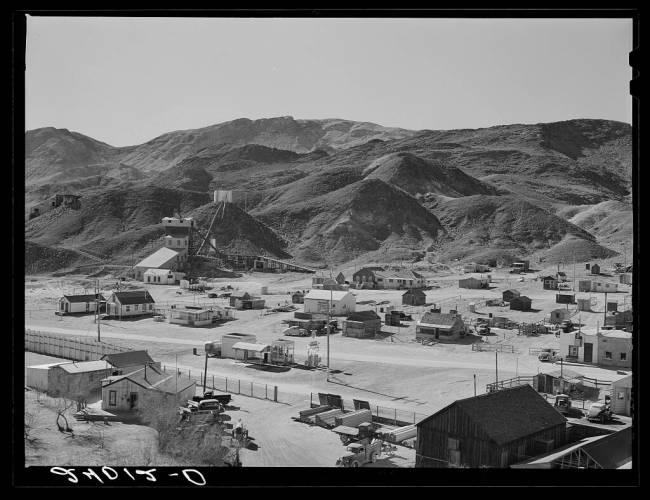
The Thacker Pass lithium mine in Nevada represents a significant investment by American taxpayers, raising questions about its potential returns and environmental impacts. Located in Humboldt County, this project is seen by many as a key player in the United States’ effort to reduce dependency on foreign lithium supplies, particularly from China.
Historical Context and Modern Implications
The mining industry has long been intertwined with Nevada’s identity, as evidenced by the exhibits at the University of Nevada, Reno’s Mackay School of Mines. This museum highlights the state’s rich mining history, particularly the discovery of silver and gold near Virginia City in the 1850s. Today, lithium, often referred to as “white gold,” is driving a new economic wave. Fred Steinmann, a principal investigator at UNR’s Tech Hub, emphasizes the urgency of developing domestic lithium resources to ensure national security. “We are, to a degree, hilariously dependent on foreign nations to provide critical elements needed to ensure national security,” he stated.
To foster this domestic capability, the Tech Hub received a $21 million federal grant from the U.S. Economic Development Administration. The funding aims to enhance lithium battery production in Nevada, benefiting both local economies and the broader goal of energy independence.
Challenges and Controversies Surrounding Thacker Pass
The Thacker Pass mine is poised to become the second operational lithium mine in the United States, following Silver Peak in Esmeralda County. However, the project faces significant opposition. Hundreds of Indigenous community members have raised concerns regarding heritage site preservation and water table protection. Legal challenges have been made against the mine, yet the project continues to progress.
Originally planned in two phases, the Thacker Pass mine has now expanded its ambitions to five phases, potentially extending its operational lifespan from 41 years to 85 years. Company representatives have been cautious about media interactions, with a planned tour for the Las Vegas Review-Journal canceled just days before it was set to take place.
Despite these challenges, local politicians express optimism about the mine’s potential. Rep. Mark Amodei, Nevada’s sole Republican congressman, mentioned, “Each project sinks or swims on its own merit,” indicating a hopeful outlook for the mine’s economic contributions.
Anticipated Economic Benefits and Community Dynamics
As the economic implications unfold, local leaders like Winnemucca Mayor Rich Stone acknowledge the transformative potential of the mine for their community. With a population of approximately 8,390, Winnemucca is positioned to serve as a gateway for the mine’s workforce, which may reach nearly 2,000 workers during peak construction. Mayor Stone has indicated that while the mine could change the small-town character of the area, growth is necessary for improvement.
Negotiations with local ranchers have resulted in agreements aimed at mitigating potential disruptions, such as relocating schools and avoiding certain roads. The Fort McDermitt Paiute and Shoshone Tribe has also secured a community benefit agreement, although specific details remain under discussion.
Concerns about the influx of temporary workers have emerged, particularly regarding crime and social issues. Mayor Stone expressed his commitment to addressing these challenges in collaboration with Lithium Americas and the construction firm Bechtel. “If we have issues, we will work with them. If they have employees who keep getting out of hand, they will lose their job,” he asserted.
Environmental Perspectives and Market Considerations
The environmental impact of the Thacker Pass project is a contentious topic. Glenn Miller, a retired chair of UNR’s Department of Natural Resources & Environmental Science, has defended the mine’s practices as environmentally sound. He argues that the urgency of climate change necessitates the extraction of lithium for electric vehicle batteries. “There’s always an issue with any kind of mining, but this one is probably the most benign mine of its type I’ve seen,” he stated.
Conversely, John Hadder, director of Great Basin Resource Watch, criticizes the project for its inadequate environmental assessments. He emphasizes the importance of ensuring that community voices are heard and that environmental and social justice standards are maintained.
The economic viability of the lithium market is also under scrutiny. Following a peak price of approximately $70,000 per ton in early 2023, the price has since fallen to around $10,000 per ton. This volatility raises concerns about the sustainability of the burgeoning lithium market and its implications for the Thacker Pass project.
As the landscape of the lithium industry evolves, the Thacker Pass mine stands at a crossroads. With American taxpayers holding a stake in this venture, the outcome remains uncertain, balancing economic promise against environmental and social costs.

UND Graduates Encouraged to Reflect on Self-Worth and Leadership

Justice Department Appeals Dismissal of Cases Against Trump Opponents

American Taxpayers Invest in Nevada’s Controversial Lithium Mine

Fans Wonder About End Credits Scene in New SpongeBob Movie

Norway’s Crown Princess Mette-Marit Faces Lung Transplant Evaluation

Lions Poised for Victory Against Injury-Stricken Steelers

U.S. Proposes ‘Project Sunrise’ for Gaza’s High-Tech Future

Discover Historical Vacations for America’s 250th Anniversary

Trump Visits North Carolina to Address Economic Concerns

Libraries Challenge Rising E-Book Costs Amid Growing Demand

Tyreek Hill Responds to Tua Tagovailoa’s Comments on Team Dynamics

Liverpool Secures Agreement to Sign Young Striker Will Wright

Save Your Split Tomatoes: Expert Tips for Gardeners

Princess Beatrice’s Daughter Athena Joins Siblings at London Parade

San Francisco Hosts Unique Contest to Identify “Performative Males”

Winter Storms Lash New South Wales with Snow, Flood Risks

Trump Administration Moves to Repeal Key Climate Regulation

SoFi Technologies Shares Slip 2% Following Insider Stock Sale
-
 Lifestyle5 months ago
Libraries Challenge Rising E-Book Costs Amid Growing Demand
-
 Sports5 months ago
Tyreek Hill Responds to Tua Tagovailoa’s Comments on Team Dynamics
-
 Sports5 months ago
Liverpool Secures Agreement to Sign Young Striker Will Wright
-
 Lifestyle5 months ago
Save Your Split Tomatoes: Expert Tips for Gardeners
-
 Lifestyle5 months ago
Princess Beatrice’s Daughter Athena Joins Siblings at London Parade
-
 Science4 months ago
San Francisco Hosts Unique Contest to Identify “Performative Males”
-
 World5 months ago
Winter Storms Lash New South Wales with Snow, Flood Risks
-
 Science5 months ago
Trump Administration Moves to Repeal Key Climate Regulation
-
 Business5 months ago
SoFi Technologies Shares Slip 2% Following Insider Stock Sale
-

 Science5 months ago
New Tool Reveals Link Between Horse Coat Condition and Parasites
-

 Sports5 months ago
Elon Musk Sculpture Travels From Utah to Yosemite National Park
-
 Science5 months ago
New Study Confirms Humans Transported Stonehenge Bluestones