
World
European Leaders Shift Focus to Defense Amid Rising Threats

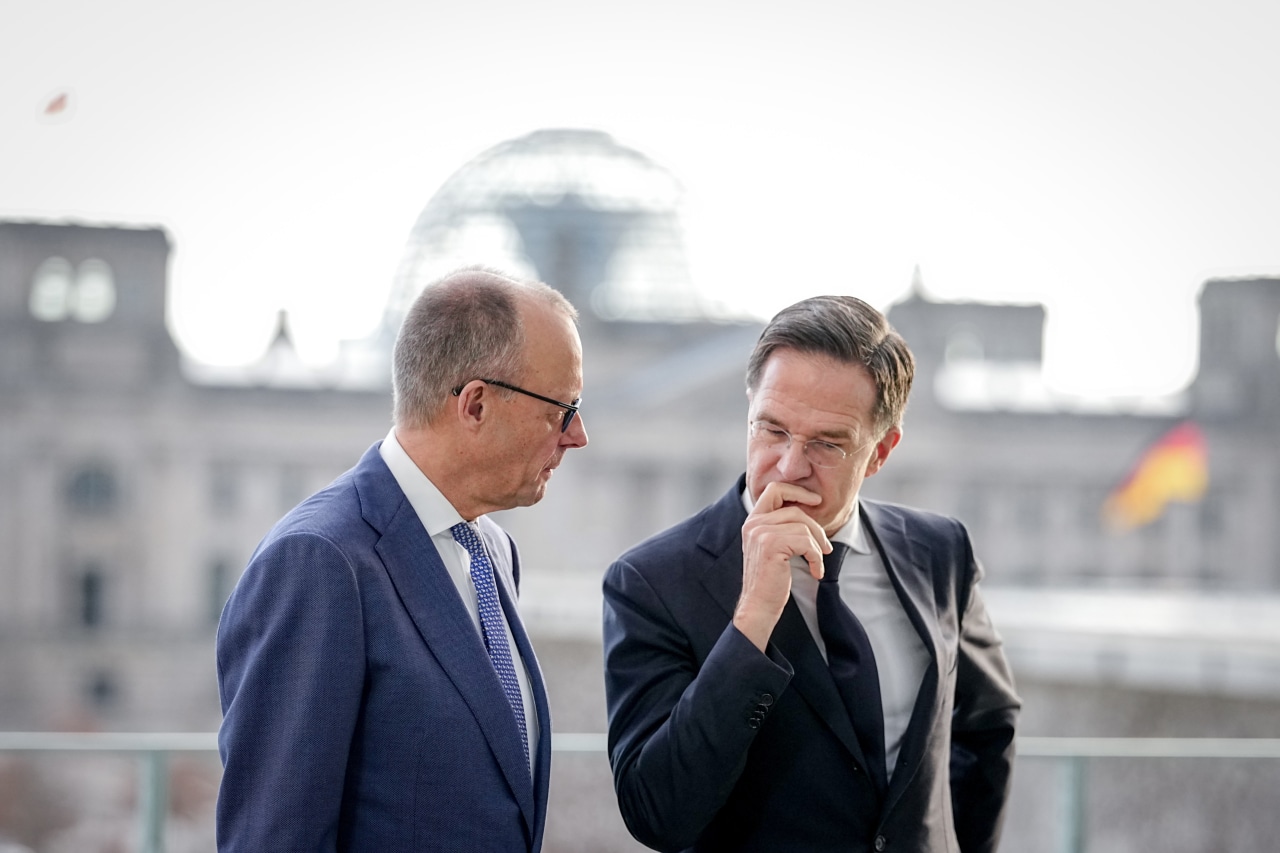
European leaders are increasingly recognizing the urgency of bolstering defense capabilities in response to heightened geopolitical threats, particularly from Russia. This shift in focus comes as leaders from various nations, including French President Emmanuel Macron and European Commission President Ursula von der Leyen, advocate for greater military preparedness. The situation in Ukraine has underscored the necessity for a unified European defense strategy, prompting discussions about increased military spending across the continent.
The European Union (EU) has been in discussions regarding a substantial rise in defense budgets, aiming for a collective increase of at least 2% of GDP for member states by 2025. This target aligns with NATO’s expectations, which emphasize the importance of member countries meeting their defense commitments. The urgency for enhanced military resources is evident, as the conflict in Ukraine continues to destabilize the region and challenge security norms that have persisted since the Cold War.
Countries such as Germany have announced plans to significantly boost their defense expenditures. The German government is set to increase its military budget to approximately €100 billion annually, a historic decision that marks a departure from its post-war defense policy. This move has been welcomed by NATO allies, who have long urged Berlin to take a more active role in European defense.
The response from voters remains mixed, with some expressing concerns about escalating military spending. Recent surveys indicate that while a majority support increased defense budgets, there is apprehension regarding the implications for social welfare programs. The challenge for leaders lies in rallying public support for defense initiatives while addressing voters’ broader concerns about national priorities.
As discussions unfold within the European Parliament, the emphasis is not solely on military spending but also on creating a cohesive defense framework. The EU aims to strengthen its strategic autonomy, particularly in technology and defense manufacturing, to reduce reliance on external suppliers. This initiative includes investments in research and development for next-generation military technologies.
Public sentiment is crucial as Europe navigates this complex landscape. While some citizens recognize the need for heightened defense readiness, others worry about the potential for conflict escalation. The balance between military preparedness and diplomatic engagement will be vital as the EU seeks to navigate the challenges posed by Russia and other emerging threats.
In conclusion, the shift towards a more robust European defense posture reflects a growing acknowledgment among leaders of the changing security environment. As the situation in Ukraine continues to evolve, the decisions made in the coming months will significantly impact Europe’s defense landscape and its relationship with NATO. How effectively leaders communicate these changes to their constituents will be essential in ensuring broad-based support for enhanced military readiness.

Asian Markets Mixed as Oil Prices Surge Following U.S. Blockade

Raul Malo, Beloved Singer, Succumbs to Cancer at 55

U.S. Healthcare System Faces Criticism for Inequity and Reform Resistance

World Saree Day Celebrates India’s Artistic Heritage in Toledo

Trump Faces Backlash Over Remarks on Rob Reiner’s Tragedy

Breakthrough in Solar Power: First Solid-State Perovskite Cell

Minnesota Timberwolves Coach Chris Finch Demands Young Talent Earn Minutes

European Leaders Shift Focus to Defense Amid Rising Threats

Oakland Hospital Seeks Public Help to Identify Unconscious Patient

Libraries Challenge Rising E-Book Costs Amid Growing Demand

Tyreek Hill Responds to Tua Tagovailoa’s Comments on Team Dynamics

Liverpool Secures Agreement to Sign Young Striker Will Wright

Save Your Split Tomatoes: Expert Tips for Gardeners

Princess Beatrice’s Daughter Athena Joins Siblings at London Parade

San Francisco Hosts Unique Contest to Identify “Performative Males”

Winter Storms Lash New South Wales with Snow, Flood Risks

Trump Administration Moves to Repeal Key Climate Regulation

SoFi Technologies Shares Slip 2% Following Insider Stock Sale
-
 Lifestyle5 months ago
Libraries Challenge Rising E-Book Costs Amid Growing Demand
-
 Sports5 months ago
Tyreek Hill Responds to Tua Tagovailoa’s Comments on Team Dynamics
-
 Sports5 months ago
Liverpool Secures Agreement to Sign Young Striker Will Wright
-
 Lifestyle5 months ago
Save Your Split Tomatoes: Expert Tips for Gardeners
-
 Lifestyle5 months ago
Princess Beatrice’s Daughter Athena Joins Siblings at London Parade
-
 Science4 months ago
San Francisco Hosts Unique Contest to Identify “Performative Males”
-
 World5 months ago
Winter Storms Lash New South Wales with Snow, Flood Risks
-
 Science5 months ago
Trump Administration Moves to Repeal Key Climate Regulation
-
 Business5 months ago
SoFi Technologies Shares Slip 2% Following Insider Stock Sale
-

 Science5 months ago
New Tool Reveals Link Between Horse Coat Condition and Parasites
-

 Sports5 months ago
Elon Musk Sculpture Travels From Utah to Yosemite National Park
-

 Science5 months ago
New Study Confirms Humans Transported Stonehenge Bluestones