
Science
Scientists Discover RNA Component on Asteroid for First Time

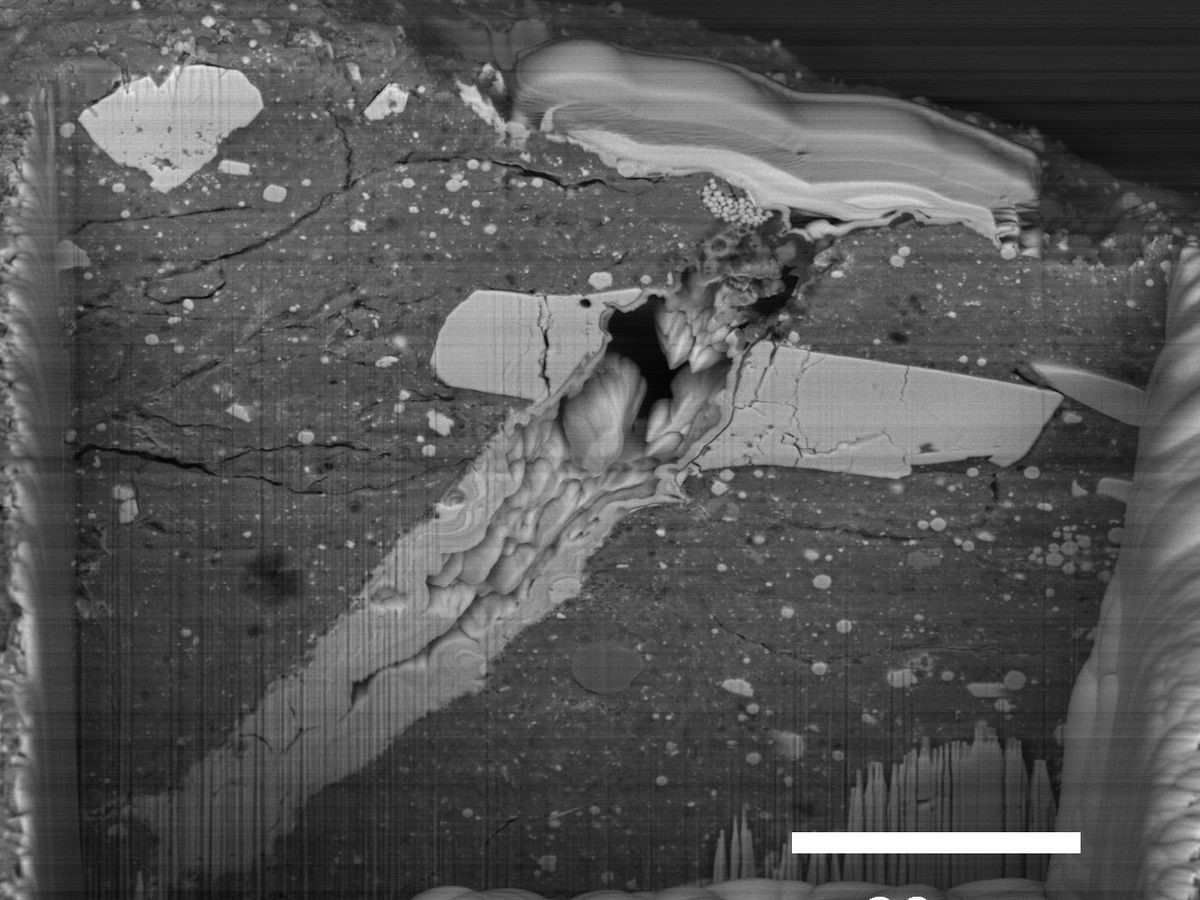
Groundbreaking research has revealed the presence of a key RNA component on an asteroid, marking a significant milestone in the study of astrobiology. This unprecedented discovery occurred during a mission involving samples collected from the asteroid Ryugu, which was brought back to Earth by the Japan Aerospace Exploration Agency (JAXA) in December 2020. Scientists believe this finding could enhance our understanding of the origins of life on Earth and the potential for life beyond our planet.
The study, published in the journal Nature, focuses on the analysis of organic compounds found within the Ryugu samples. Researchers from the University of California, Los Angeles (UCLA) led the investigation, uncovering the presence of ribonucleic acid (RNA) components that are vital for the formation of life. This is the first time such components have been detected on a celestial body, which raises intriguing questions about the building blocks of life in the universe.
Significance of the Discovery
The RNA components found in the asteroid samples are believed to be similar to those that exist on Earth, suggesting that the fundamental elements necessary for life may be widespread in the cosmos. This discovery supports the theory that asteroids could have played a crucial role in delivering organic materials to Earth during its formative years.
According to the lead author of the study, Dr. Yasuhiro Oba from UCLA, “The identification of these RNA components provides compelling evidence that the building blocks of life are not unique to Earth.” This insight not only enhances our understanding of the origins of life on our planet but also broadens the search for extraterrestrial life.
While the detection of RNA on Ryugu is a significant advancement, researchers note that further studies are necessary to fully understand the implications of their findings. The analysis of the asteroid samples is ongoing, and scientists are particularly interested in how these organic components could inform our search for life elsewhere in the universe.
Future Research Directions
As scientists continue to examine the samples from Ryugu, they aim to determine the potential for life-supporting conditions on other celestial bodies. This research aligns with ongoing efforts by space agencies, including NASA, to explore the possibility of life on Mars and icy moons like Europa and Enceladus.
JAXA’s mission to Ryugu not only provided these groundbreaking samples but also demonstrated the capabilities of international collaboration in space exploration. The findings underscore the importance of continued investment in astrobiology and planetary science, as understanding the origins of life could have profound implications for humanity’s future.
In summary, the discovery of RNA components on asteroid Ryugu marks a remarkable leap in our understanding of life’s building blocks and the possibility of life beyond Earth. As researchers delve deeper into these findings, they bring us one step closer to answering one of humanity’s most enduring questions: Are we alone in the universe?

Designers Predict Top 10 Kitchen Backsplash Trends for 2026

Shineco Faces Tough Competition in the Medical Drugs Sector

Longtime Educator Harold Klonecky Passes Away at 98

Warren Moon Offers Key Insights as Philip Rivers Returns to NFL

Reddit Challenges Australia’s Under-16 Social Media Ban in Court

Philadelphia Gang Hitman Tyvine Jones Arrested for Triple Murder

Patrick Coveney Divests 136,379 Shares of SSP Group Stock

BLACKPINK’s Jennie and Stars Join Exciting New Variety Show

Jessica Alba Stuns in Vacation Video with Chic Beach Look

Libraries Challenge Rising E-Book Costs Amid Growing Demand

Tyreek Hill Responds to Tua Tagovailoa’s Comments on Team Dynamics

Liverpool Secures Agreement to Sign Young Striker Will Wright

Save Your Split Tomatoes: Expert Tips for Gardeners

Princess Beatrice’s Daughter Athena Joins Siblings at London Parade

San Francisco Hosts Unique Contest to Identify “Performative Males”

Winter Storms Lash New South Wales with Snow, Flood Risks

Trump Administration Moves to Repeal Key Climate Regulation

SoFi Technologies Shares Slip 2% Following Insider Stock Sale
-
 Lifestyle5 months ago
Libraries Challenge Rising E-Book Costs Amid Growing Demand
-
 Sports4 months ago
Tyreek Hill Responds to Tua Tagovailoa’s Comments on Team Dynamics
-
 Sports5 months ago
Liverpool Secures Agreement to Sign Young Striker Will Wright
-
 Lifestyle5 months ago
Save Your Split Tomatoes: Expert Tips for Gardeners
-
 Lifestyle5 months ago
Princess Beatrice’s Daughter Athena Joins Siblings at London Parade
-
 Science4 months ago
San Francisco Hosts Unique Contest to Identify “Performative Males”
-
 World4 months ago
Winter Storms Lash New South Wales with Snow, Flood Risks
-
 Science5 months ago
Trump Administration Moves to Repeal Key Climate Regulation
-
 Business5 months ago
SoFi Technologies Shares Slip 2% Following Insider Stock Sale
-

 Science5 months ago
New Tool Reveals Link Between Horse Coat Condition and Parasites
-

 Sports5 months ago
Elon Musk Sculpture Travels From Utah to Yosemite National Park
-
 Science5 months ago
New Study Confirms Humans Transported Stonehenge Bluestones