
Top Stories
Supreme Court to Review Trump’s Controversial Citizenship Order

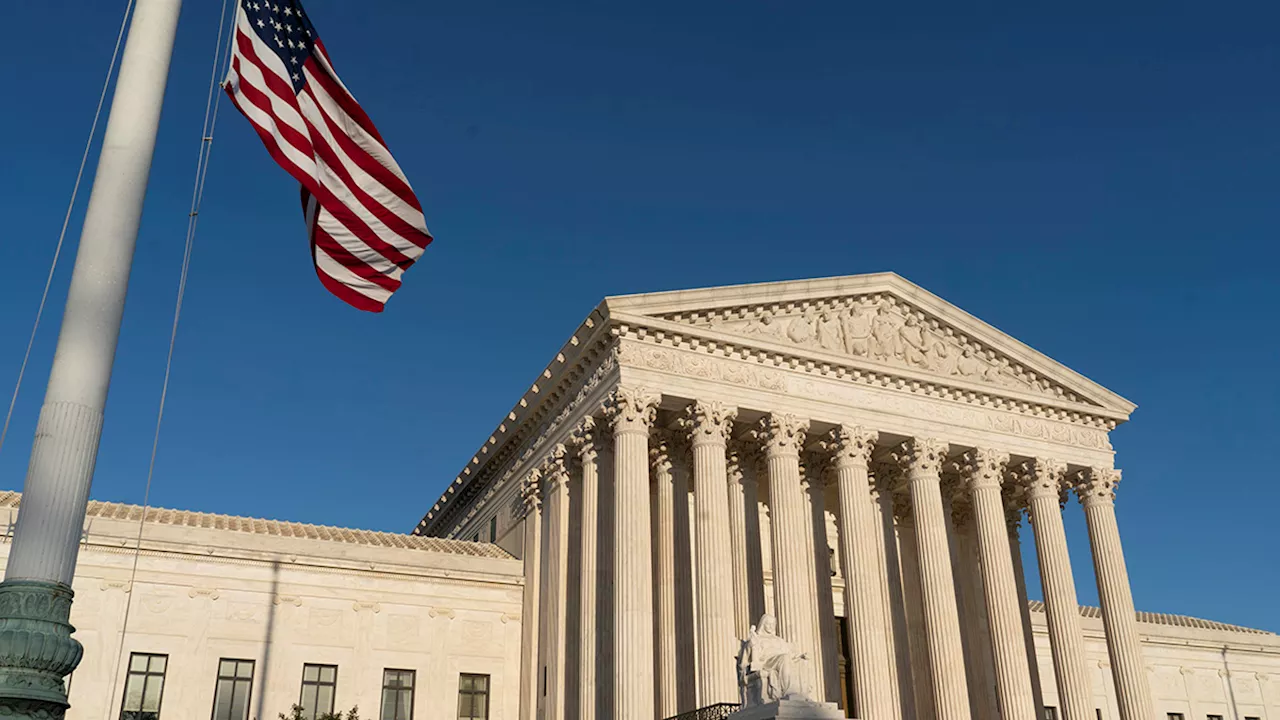
The Supreme Court has agreed to hear an appeal from former President Donald Trump regarding his executive order on birthright citizenship. This order asserts that children born in the United States to parents who are in the country illegally or temporarily do not automatically gain American citizenship. The case will be argued in the spring, with a ruling expected by early summer.
Trump’s order, signed on January 20, 2025, is part of a broader immigration strategy that has faced numerous legal challenges. It could potentially overturn over a century of established legal precedent as established by the 14th Amendment, which has long conferred citizenship to anyone born on American soil, barring a few exceptions.
Several lower courts have already deemed Trump’s order unconstitutional or likely unconstitutional. They have found that it contradicts the long-standing interpretation of the 14th Amendment, which was designed to ensure citizenship for newly freed slaves and their descendants. Importantly, this order would disrupt the automatic citizenship granted to children born in the U.S., including those born to undocumented parents.
The case comes amid a series of immigration enforcement initiatives by Trump’s administration, which have included heightened enforcement actions in various cities and the controversial invocation of the Alien Enemies Act. The Supreme Court has delivered mixed messages regarding these initiatives, having halted the use of the Alien Enemies Act to expedite deportations of Venezuelan nationals without court hearings, while simultaneously allowing broader immigration stops in Los Angeles.
Trump’s administration argues that children of noncitizens are not “subject to the jurisdiction” of the United States and thus do not qualify for citizenship. This position was articulated by D. John Sauer, a top lawyer for the administration, who emphasized that the 14th Amendment was intended to grant citizenship primarily to the offspring of freed slaves, not to the children of individuals in the country illegally or temporarily.
Support for the administration’s stance comes from 24 Republican-led states and notable lawmakers, including Senators Ted Cruz of Texas and Lindsey Graham of South Carolina. These parties have backed the appeal, reinforcing the administration’s position on the matter.
In July, the 9th U.S. Circuit Court of Appeals ruled that states challenging Trump’s order needed a nationwide injunction to avoid the complications that would arise from varying state interpretations of birthright citizenship. While the Supreme Court has not yet made a determination on this specific issue, it is clear that the outcome could have significant implications for immigration policy and citizenship rights in the United States.
As the nation awaits the Supreme Court’s decision, the case highlights ongoing debates surrounding immigration and citizenship in an increasingly polarized political landscape. The forthcoming arguments will be crucial in determining whether Trump’s birthright citizenship order will take effect or be struck down, thus shaping the future of immigration policy in the United States.

Tech Blogger Unveils Fleet of Flying Sword Drones in Chengdu

Texas Democrats Navigate Turbulent Political Landscape Post-Ruling

New Study on Moonquakes Raises Concerns for NASA’s Lunar Plans

UFC 323 Highlights: Wrestling Observer Radio Recaps Key Events

Soldiers Claim Control in Benin Ahead of Presidential Election

Microsoft Responds to Feedback, Makes Windows 11 AI Actions Optional

Roivant Sciences Hits 52-Week High; Analysts Adjust Ratings

Robert Eggers’ ‘The Northman’ Thrives on Netflix After Theatrical Struggles

Ensight Skills Center Empowers Coloradans with Vision Loss

Libraries Challenge Rising E-Book Costs Amid Growing Demand

Tyreek Hill Responds to Tua Tagovailoa’s Comments on Team Dynamics

Liverpool Secures Agreement to Sign Young Striker Will Wright

Save Your Split Tomatoes: Expert Tips for Gardeners

Princess Beatrice’s Daughter Athena Joins Siblings at London Parade

San Francisco Hosts Unique Contest to Identify “Performative Males”

Winter Storms Lash New South Wales with Snow, Flood Risks

Trump Administration Moves to Repeal Key Climate Regulation

SoFi Technologies Shares Slip 2% Following Insider Stock Sale
-
 Lifestyle5 months ago
Libraries Challenge Rising E-Book Costs Amid Growing Demand
-
 Sports4 months ago
Tyreek Hill Responds to Tua Tagovailoa’s Comments on Team Dynamics
-
 Sports4 months ago
Liverpool Secures Agreement to Sign Young Striker Will Wright
-
 Lifestyle4 months ago
Save Your Split Tomatoes: Expert Tips for Gardeners
-
 Lifestyle4 months ago
Princess Beatrice’s Daughter Athena Joins Siblings at London Parade
-
 Science4 months ago
San Francisco Hosts Unique Contest to Identify “Performative Males”
-
 World4 months ago
Winter Storms Lash New South Wales with Snow, Flood Risks
-
 Science5 months ago
Trump Administration Moves to Repeal Key Climate Regulation
-
 Business5 months ago
SoFi Technologies Shares Slip 2% Following Insider Stock Sale
-

 Science5 months ago
New Tool Reveals Link Between Horse Coat Condition and Parasites
-

 Sports4 months ago
Elon Musk Sculpture Travels From Utah to Yosemite National Park
-

 Science5 months ago
New Study Confirms Humans Transported Stonehenge Bluestones