
Health
Pennsylvania Center for Adapted Sports Empowers Athletes with Disabilities

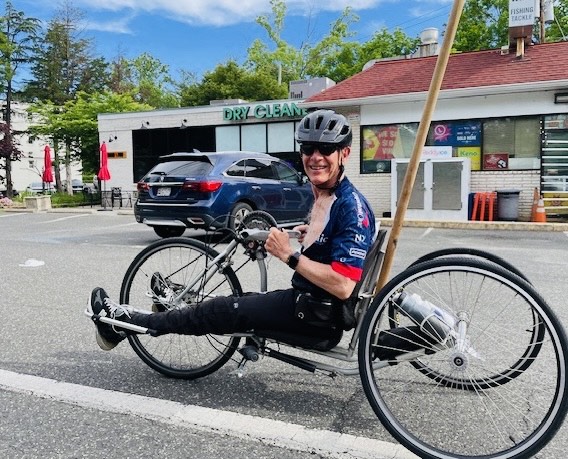
When Larry Way first cycled down the Chester Valley Trail in Exton, Pennsylvania, on a hand-powered bike eight years ago, he discovered a sense of freedom that profoundly impacted his life. Living with paralysis in his legs since childhood due to polio, Way, now 77, found new ways to maintain his physical fitness and well-being through the Pennsylvania Center for Adapted Sports (PCAS).
A resident of Phoenixville, Chester County, Way has embraced a lifestyle that includes swimming, cycling, and participating in marathons. He regularly swims at the Phoenixville YMCA and cycles approximately 27 miles weekly on the Chester Valley Trail. He often joins friends for longer rides, ranging from 34 to 54 miles on the Schuylkill River Trail. His passion for cycling has also led him to compete in events such as the Marine Corps Marathon and the New York City Marathon, where he participates in the hand cycle division.
PCAS plays a pivotal role in supporting athletes with disabilities through a variety of sports and wellness programs. Founded by Isabel Bohn and Jeff McGinnis, the nonprofit organization focuses on inclusivity, offering adaptive cycling, skiing, snowboarding, rowing, kayaking, and climbing programs for individuals of all ages. Since its inception, PCAS has produced 11 Paralympians, showcasing the potential of athletes with disabilities.
PCAS’s mission is to enhance the health and well-being of people with disabilities through inclusive sports and recreation. According to Way, the organization provides cycles and experienced volunteers who assist athletes in selecting the most suitable equipment. Each Sunday, around eight to twelve athletes gather for cycling sessions, fostering a supportive and encouraging environment.
Way utilizes a three-wheeled hand cycle, powered by his arms, which has significantly improved his strength, endurance, and overall confidence. “You feel good about yourself because it builds confidence and helps me maintain my weight,” he stated. The camaraderie he experiences while cycling has led to lasting friendships, enriching his life both on and off the trail.
The benefits of PCAS extend beyond physical fitness. Participants gain emotional resilience and create lifelong connections through shared experiences in sports and recreation. Way expressed his hope that others with disabilities can experience similar achievements, emphasizing the transformative power of engaging in physical activities.
PCAS operates 13 year-round programs that promote building inclusive communities with accessible settings for individuals to explore their abilities. The organization not only provides equipment and instruction but also advocates for adapted sports, consulting with agencies and educational institutions to help establish adaptive sports programs.
In addition to offering fitness programs, PCAS actively seeks to create opportunities for veterans and young athletes while fostering a vibrant Para Sports culture. The organization is a registered 501(c)(3) nonprofit entity, dedicated to supporting individuals with disabilities through sports and wellness activities.
For more information about the Pennsylvania Center for Adapted Sports and its programs, interested individuals can visit their website at www.centeronline.com.

DraftKings Launches Exciting $300 Bonus for Missouri Sports Bettors

Dark Humor and Thrills Unfold in ‘Caught Stealing’ Adaptation

Long Butterfly Cut with Bangs Takes the Hair Trend Spotlight

László Krasznahorkai Engages Audience with Rare Lecture in Stockholm

Cassidy Aims for Bipartisan Support with New Health Care Plan

Deep-Sea Mining Study Reveals 37% Drop in Marine Biodiversity

Police Rescue Abandoned Dog Found Tied in Suitcase in Everett

DNA Mechanisms Enable Tuberculosis to Resist Treatment

Market Optimism Rises as 2026 Approaches Amid Fed Changes

Libraries Challenge Rising E-Book Costs Amid Growing Demand

Tyreek Hill Responds to Tua Tagovailoa’s Comments on Team Dynamics

Liverpool Secures Agreement to Sign Young Striker Will Wright

Save Your Split Tomatoes: Expert Tips for Gardeners

Princess Beatrice’s Daughter Athena Joins Siblings at London Parade

San Francisco Hosts Unique Contest to Identify “Performative Males”

Winter Storms Lash New South Wales with Snow, Flood Risks

Trump Administration Moves to Repeal Key Climate Regulation

SoFi Technologies Shares Slip 2% Following Insider Stock Sale
-
 Lifestyle5 months ago
Libraries Challenge Rising E-Book Costs Amid Growing Demand
-
 Sports4 months ago
Tyreek Hill Responds to Tua Tagovailoa’s Comments on Team Dynamics
-
 Sports4 months ago
Liverpool Secures Agreement to Sign Young Striker Will Wright
-
 Lifestyle4 months ago
Save Your Split Tomatoes: Expert Tips for Gardeners
-
 Lifestyle4 months ago
Princess Beatrice’s Daughter Athena Joins Siblings at London Parade
-
 Science4 months ago
San Francisco Hosts Unique Contest to Identify “Performative Males”
-
 World4 months ago
Winter Storms Lash New South Wales with Snow, Flood Risks
-
 Science5 months ago
Trump Administration Moves to Repeal Key Climate Regulation
-
 Business5 months ago
SoFi Technologies Shares Slip 2% Following Insider Stock Sale
-

 Science5 months ago
New Tool Reveals Link Between Horse Coat Condition and Parasites
-

 Sports4 months ago
Elon Musk Sculpture Travels From Utah to Yosemite National Park
-
 Science5 months ago
New Study Confirms Humans Transported Stonehenge Bluestones