
Science
Shingles Vaccine Shows Potential to Reduce Dementia Risk and Mortality

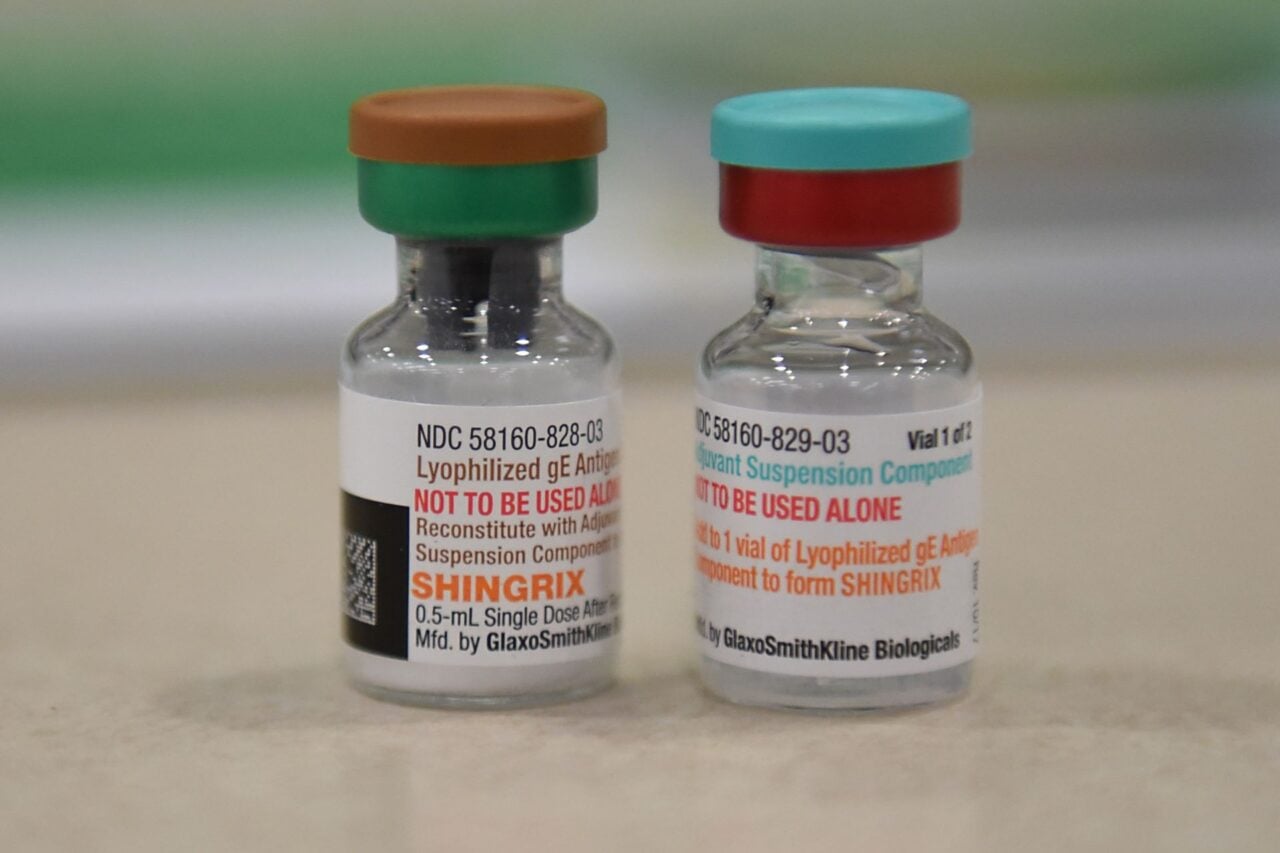
Research published this week indicates that the shingles vaccine may not only reduce the risk of developing dementia but could also improve outcomes for those already diagnosed. A team of scientists from Stanford University examined the effects of the shingles vaccination program initiated in Wales over a decade ago. Their findings suggest that enhancing immunity against shingles could provide broader protection against cognitive decline.
Pascal Geldsetzer, an assistant professor of medicine at Stanford and senior author of the study, highlighted the significance of their research, stating, “This study suggests that shingles vaccination slows or prevents disease progression across the entire disease course of dementia.” The research was published in the journal Cell on March 15, 2024.
Understanding the Study’s Context
The study builds on previous findings that linked shingles vaccination to benefits beyond preventing the painful viral illness. Researchers utilized a unique opportunity presented by a natural experiment in Wales, which began its vaccination program in the fall of 2013. Under the program, individuals born on or after September 2, 1933, who were 80 years old or younger, qualified for the shingles vaccine, while those born earlier did not. This age cutoff allowed researchers to effectively compare dementia rates between vaccinated individuals and an unvaccinated control group.
In a related study published earlier in April, the same research team found that individuals who received the shingles vaccine were 20% less likely to be diagnosed with dementia within a seven-year period. The current investigation focused on whether vaccination correlated with better outcomes at various stages of dementia.
Among the findings, vaccinated individuals exhibited a lower likelihood of developing mild cognitive impairment (MCI), which is often an early indicator of dementia. For those already diagnosed with dementia, vaccination was associated with a reduced risk of mortality related to the condition. Geldsetzer described these results as “exciting” and “unexpected,” noting the vaccine’s potential therapeutic benefits.
Broadening the Perspective on Shingles Vaccination
While these findings do not conclusively prove that the shingles vaccine can alter dementia outcomes, the study design mitigates many limitations typical of observational research. The accumulating evidence indicates that the health benefits of the shingles vaccine extend beyond its primary purpose.
Just last October, another study revealed that individuals vaccinated against shingles are also less likely to develop heart disease and stroke, and they generally face a lower risk of premature death compared to those who are unvaccinated. Given that shingles is recognized as one of the most painful conditions, the vaccine is already recommended for all adults starting at age 50 in many countries.
The prospect of reducing risks associated with both brain and heart diseases adds further incentive for vaccination, making the shingles vaccine a valuable tool in preventive health strategies. As researchers continue to explore the broader implications of vaccination, the potential for improving public health outcomes remains significant.

New Jersey Risks Economic Growth by Neglecting Veteran Entrepreneurs

Fans Demand Canon for Top 20 Unofficial TV Couples

Study Reveals Promising Outcomes for Mismatched Blood Transplants

WJXT Secures Four Suncoast Emmys for Cultural Excellence

$1.25 Million Grant Fuels Hawaiʻi’s Advanced Hazard Monitoring Initiative

DraftKings Launches Exciting $300 Bonus for Missouri Sports Bettors

Dark Humor and Thrills Unfold in ‘Caught Stealing’ Adaptation

Long Butterfly Cut with Bangs Takes the Hair Trend Spotlight

László Krasznahorkai Engages Audience with Rare Lecture in Stockholm

Libraries Challenge Rising E-Book Costs Amid Growing Demand

Tyreek Hill Responds to Tua Tagovailoa’s Comments on Team Dynamics

Liverpool Secures Agreement to Sign Young Striker Will Wright

Save Your Split Tomatoes: Expert Tips for Gardeners

Princess Beatrice’s Daughter Athena Joins Siblings at London Parade

San Francisco Hosts Unique Contest to Identify “Performative Males”

Winter Storms Lash New South Wales with Snow, Flood Risks

Trump Administration Moves to Repeal Key Climate Regulation

SoFi Technologies Shares Slip 2% Following Insider Stock Sale
-
 Lifestyle5 months ago
Libraries Challenge Rising E-Book Costs Amid Growing Demand
-
 Sports4 months ago
Tyreek Hill Responds to Tua Tagovailoa’s Comments on Team Dynamics
-
 Sports4 months ago
Liverpool Secures Agreement to Sign Young Striker Will Wright
-
 Lifestyle4 months ago
Save Your Split Tomatoes: Expert Tips for Gardeners
-
 Lifestyle4 months ago
Princess Beatrice’s Daughter Athena Joins Siblings at London Parade
-
 Science4 months ago
San Francisco Hosts Unique Contest to Identify “Performative Males”
-
 World4 months ago
Winter Storms Lash New South Wales with Snow, Flood Risks
-
 Science5 months ago
Trump Administration Moves to Repeal Key Climate Regulation
-
 Business5 months ago
SoFi Technologies Shares Slip 2% Following Insider Stock Sale
-

 Science5 months ago
New Tool Reveals Link Between Horse Coat Condition and Parasites
-

 Sports5 months ago
Elon Musk Sculpture Travels From Utah to Yosemite National Park
-
 Science5 months ago
New Study Confirms Humans Transported Stonehenge Bluestones