
Health
Karoline Leavitt Challenges New York Times on Trump’s Fitness Claims

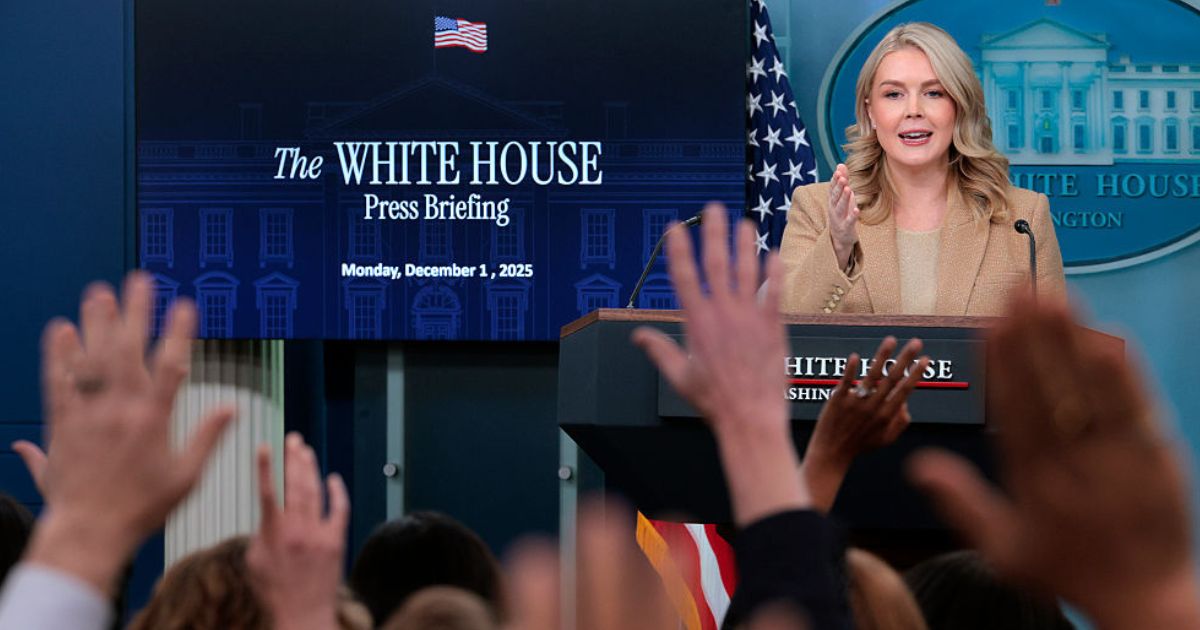
White House Press Secretary Karoline Leavitt has publicly challenged a recent article from the New York Times, which suggested that President Donald Trump is exhibiting signs of fatigue during his second term. Leavitt criticized the report for its perceived inaccuracies, particularly highlighting Trump’s extensive international travel schedule, which includes multiple trips to Asia, the Middle East, and Europe.
Response to Claims of Fatigue
The New York Times article noted that Trump appeared to struggle to stay awake during a 20-minute segment at an Oval Office event focused on drug-price cuts. It mentioned that Trump nodded off shortly after returning from a trip to Malaysia, Japan, and South Korea in October. Leavitt defended the President, suggesting that such occurrences can happen to anyone, regardless of age or vigor, especially after a taxing travel schedule.
In addressing the article, Leavitt stated, “The fake news that we see pumped out of this building on a day-to-day basis — it’s honestly overwhelming to keep up with it all.” She argued that the New York Times misrepresented the President’s activities, claiming they took a small portion of his schedule to conclude he is less active than during his first term.
Comparing Presidential Activity Levels
Leavitt highlighted figures from Trump’s first term, stating that from January 20 to November 25, 2021, he conducted 1,688 official events compared to 1,029 during the same period of his second term. This translates to an average of approximately 5.5 official events per day in the first term versus 3.5 in the second. While the numbers suggest a decrease, Leavitt emphasized that this could be a common trend for two-term presidents as they adapt to their roles.
She further criticized the New York Times for employing the same reporter, Katie Rogers, who previously wrote a piece stating President Joe Biden was “doing 100% fine” after tripping while boarding Air Force One. “Are you kidding me?” Leavitt questioned, referring to the inconsistency in reporting regarding the two presidents.
Leavitt concluded that the article from the New York Times was not grounded in substantial evidence and merely served to foster doubt about Trump’s capabilities. This incident reflects ongoing tensions between the White House and media outlets, particularly concerning the representation of the President’s health and activity levels.
The discourse surrounding Trump’s presidency often highlights differing narratives from various media organizations, reflecting the polarized nature of political reporting in the current climate.

DraftKings Launches Exciting $300 Bonus for Missouri Sports Bettors

Dark Humor and Thrills Unfold in ‘Caught Stealing’ Adaptation

Long Butterfly Cut with Bangs Takes the Hair Trend Spotlight

László Krasznahorkai Engages Audience with Rare Lecture in Stockholm

Cassidy Aims for Bipartisan Support with New Health Care Plan

Deep-Sea Mining Study Reveals 37% Drop in Marine Biodiversity

Police Rescue Abandoned Dog Found Tied in Suitcase in Everett

DNA Mechanisms Enable Tuberculosis to Resist Treatment

Market Optimism Rises as 2026 Approaches Amid Fed Changes

Libraries Challenge Rising E-Book Costs Amid Growing Demand

Tyreek Hill Responds to Tua Tagovailoa’s Comments on Team Dynamics

Liverpool Secures Agreement to Sign Young Striker Will Wright

Save Your Split Tomatoes: Expert Tips for Gardeners

Princess Beatrice’s Daughter Athena Joins Siblings at London Parade

San Francisco Hosts Unique Contest to Identify “Performative Males”

Winter Storms Lash New South Wales with Snow, Flood Risks

Trump Administration Moves to Repeal Key Climate Regulation

SoFi Technologies Shares Slip 2% Following Insider Stock Sale
-
 Lifestyle5 months ago
Libraries Challenge Rising E-Book Costs Amid Growing Demand
-
 Sports4 months ago
Tyreek Hill Responds to Tua Tagovailoa’s Comments on Team Dynamics
-
 Sports4 months ago
Liverpool Secures Agreement to Sign Young Striker Will Wright
-
 Lifestyle4 months ago
Save Your Split Tomatoes: Expert Tips for Gardeners
-
 Lifestyle4 months ago
Princess Beatrice’s Daughter Athena Joins Siblings at London Parade
-
 Science4 months ago
San Francisco Hosts Unique Contest to Identify “Performative Males”
-
 World4 months ago
Winter Storms Lash New South Wales with Snow, Flood Risks
-
 Science5 months ago
Trump Administration Moves to Repeal Key Climate Regulation
-
 Business5 months ago
SoFi Technologies Shares Slip 2% Following Insider Stock Sale
-

 Science5 months ago
New Tool Reveals Link Between Horse Coat Condition and Parasites
-

 Sports4 months ago
Elon Musk Sculpture Travels From Utah to Yosemite National Park
-

 Science5 months ago
New Study Confirms Humans Transported Stonehenge Bluestones